
Namibia Welcomes 1.3 Million International Tourists in 2025 Arrivals Report
Namibia's 2025 tourist arrivals reached 1,345,168. While overall arrivals dropped 6.9%, national park visitation grew to 994,780.

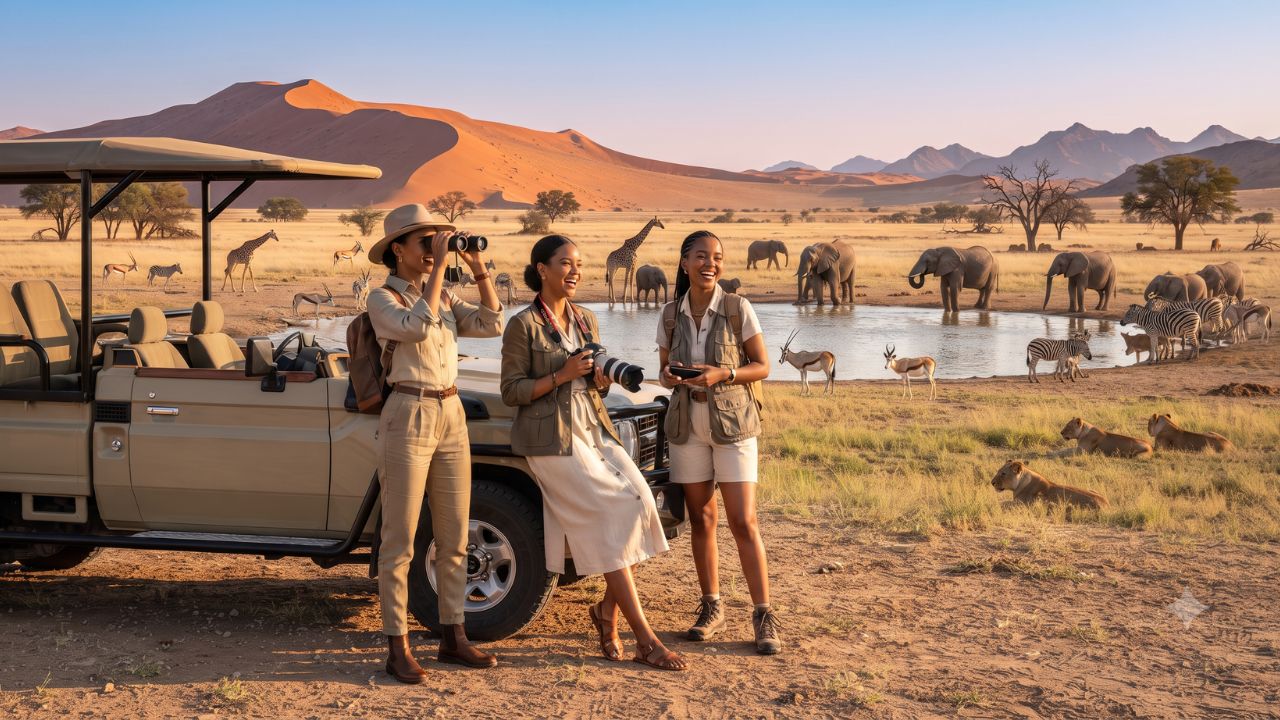
Image generated by AI
This comprehensive Namibia tourism statistics guide outlines the findings from the 2025 Tourist Arrivals report. Published by the Ministry of Environment and Tourism, the data indicates that Namibia received 1,345,168 international visitors, representing a 6.9% decrease year-on-year.
The annual stats report reveals that while total inbound counts contracted slightly from the 1,444,174 visitors recorded in 2024, protected reserves and safari parks registered positive visitor growth. Regional markets in Southern Africa and long-haul connections in Europe remain the primary tourist sources.
Inbound Source Markets and Regional Transit Corridors
Namibia’s tourism infrastructure relies on a combination of regional road travelers and long-haul international flight arrivals:
- Southern Africa Markets: South Africa, Angola, Botswana, Zambia, and Zimbabwe represent the primary sources, driven by highway border crossings.
- Overseas Markets: Germany, the United States, the United Kingdom, the Netherlands, and France serve as the leading long-haul sources, favoring national parks and wilderness safaris.
- Leisure Focus: Holiday and adventure travel represented 48.4% of all international visits in 2025.
- Length of Stay: Visitors stayed an average of 13 nights in 2025, one night shorter than the 14-night average recorded in 2024.
National Park Visitation and Conservation Tourism
While overall entry numbers contracted, protected wildlife parks saw visitor volumes climb from 943,408 in 2024 to 994,780 in 2025:
- Etosha National Park: Remains the most visited reserve, internationally known for viewing elephants, lions, rhinos, giraffes, and bird life.
- Desert Reserves: Namib-Naukluft National Park and Dorob National Park attracted high volumes of desert explorers and dune tourists.
- Conservation Impact: The growth in park entry fees supports community-run conservancies and anti-poaching programs.
Road Travel Domination and Airport Gateways
Transit logs highlight the importance of highway access and self-drive vacation models for regional travelers:
- Road Arrivals: Accounted for 77.9% of international entries in 2025, reflecting popular multi-country road itineraries in Southern Africa.
- Air Arrivals: Accounted for 17.7% of entries, utilizing international flights connecting to the capital.
- Airport Gateways: Hosea Kutako International Airport (WDH) in Windhoek serves as the primary international aviation portal.
Flight Options and Passenger Rights for Namibia Visitors
For travelers flying to Windhoek from Europe or North America:
- EU261 Flight delay Compensation: On flights departing from European airports (such as Frankfurt via Discover Airlines), if a flight is canceled or delayed by more than three hours, passengers are entitled to compensation up to €600 under EU Regulation 261/2004.
- US DOT Refund Rules: If a connecting leg operated by a U.S. airline is delayed by over six hours or canceled, and the traveler cancels, they are entitled to a full ticket refund.
- 4x4 Rental Preparations: Since self-drive tours represent the majority of park access patterns, travelers should rent 4x4 vehicles fitted with double spare tires to navigate gravel desert routes safely.
Namibia Tourism Performance Metrics (2024 vs. 2025)
| Tourism Performance Metric | Calendar Year 2024 | Calendar Year 2025 | Year-over-Year Percentage Change |
|---|---|---|---|
| Total Inbound Arrivals | 1,444,174 | 1,345,168 | -6.9% YoY contraction |
| National Park Visits | 943,408 | 994,780 | +5.4% YoY expansion |
| Average Length of Stay | 14 nights | 13 nights | -1 night reduction |
| Holiday Travel Share | N/A | 48.4% of total | Primary reason for tourist visits |
| Road Transit Share | N/A | 77.9% of total | Dominant entry mode for Southern Africa |
| Air Transit Share | N/A | 17.7% of total | Primary entry mode for overseas markets |
Why This Matters
For travelers on this route, the real impact is that rising park visitation requires booking campsite pitches inside Etosha National Park six to nine months in advance, especially during the dry winter safari season. From a logistical perspective, this means that self-drive tourists should check the tire pressure and tread depth of their rental 4x4 before leaving Windhoek, as sand corridors in the Namib Desert can cause tire blowouts. Travelers should keep soft copies of their tourist visa approval slips to avoid clearance queues at border control.
Industry Outlook
National park managers are introducing digital entry permits at Etosha gates to reduce registration wait times for safari vehicles. As regional highway routes are upgraded, travel times between Windhoek and Swakopmund will decrease. Over the next year, expect regional airlines to launch new direct routes connecting Windhoek to secondary cities in South Africa and Botswana. This network expansion will support tourist arrivals.
Related Travel Guides
Disclaimer
This article is for informational and educational purposes only. It does not constitute legal, financial, or professional advice. While we strive to provide accurate and up-to-date information, travel policies, regulations, and conditions change rapidly. Always verify information with official sources before making travel decisions. Nomad Lawyer makes no representations about the accuracy, reliability, completeness, or suitability of the information provided. Readers should consult qualified professionals for advice specific to their circumstances. The views expressed in this article are those of the author and do not necessarily reflect the views of Nomad Lawyer.
Preeti Gunjan
Contributor & Community Manager
A passionate traveller and community builder. Preeti helps grow the Nomad Lawyer community, fostering engagement and bringing the reader experience to life.
Learn more about our team →