
Destination Campaigns: United States Travel Market Records Growth
The United States travel market reports strong expansion in 2026, driven by national park adventures, small-town tourism, and urban neighborhood programs.

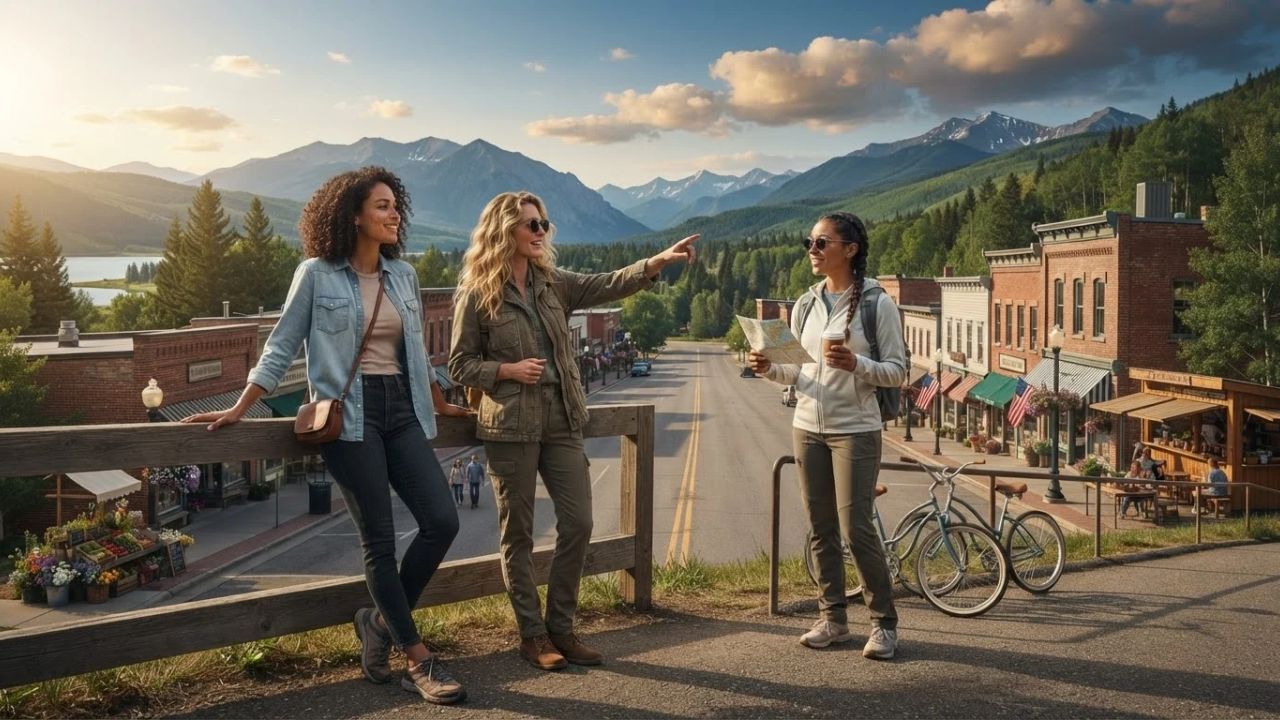
Image generated by AI
The United States travel market reports strong expansion in 2026, driven by national park adventures, small-town tourism, and urban neighborhood programs. The U.S. Travel Association indicates that domestic visitor spending coordinates travel sector growth, supporting independent hospitality operators across the country.
The Transition of Leisure Holidays to Community-Focused Travel
A notable trend in American holiday planning is the transition of leisure travel from status-driven vacations to community-focused trips. Historically, destination campaigns focused marketing efforts entirely on high-profile landmarks and luxury coastal resorts, counting passenger volumes at major hubs. In 2026, rising interest in regional heritage and local identity encourages travelers to select smaller mountain towns, historic coastal villages, and agricultural food trails that provide direct interaction with resident communities.
By choosing regional destinations, visitors distribute tourism spending to rural operators. This decentralized travel model supports local craftspeople, independent farms, and family-run accommodation providers.
Key Growth Segments in American Tourism
Multiple segments are driving the expansion of the US domestic and international travel market:
- Experience-Focused Travel: Rising demand for authentic local culture, indigenous heritage programs, regional festivals, and wellness retreats.
- National Park Adventure: Elevated interest in nature-based holidays, hiking, and wildlife viewing at Yellowstone, Grand Canyon, Yosemite, Zion, Great Smoky Mountains, and Denali.
- Urban Neighborhood Tourism: Major cities promote local heritage, neighborhood art districts, and regional cuisine instead of relying on traditional sightseeing spots.
- New York City: Focuses on neighborhood-specific dining and cultural tours.
- Chicago: Highlights architectural walks and local museums.
- New Orleans: Promotes historic music preservation and street festivals.
- Alternative Small-Town Routes: Travelers explore rural road trips, mountain towns, and historic coastal communities to escape overcrowded urban hotspots.
This diversified travel matrix reduces pressure on traditional gateways while sustaining regional tourism economies.
US Travel Sectors and Economic Indicators
The table below breaks down the travel sectors, growth indicators, target regions, signature offerings, regional partners, and coordinating authorities recorded on August 24, 2026:
| Core Travel Sector | Growth Indicator | Target Travel Region | Signature Offering | Regional Partner | Coordinating Authority |
|---|---|---|---|---|---|
| Domestic leisure | Rising travel spend | Western national parks | Wilderness & wildlife | Local lodging guilds | U.S. Travel Association |
| International arrivals | Increasing arrivals | Florida & California | Coastal & cruise routes | Brand USA Campaign | National Travel & Tourism |
| Small-town tourism | Shoulder-season gains | Northeast historic paths | Heritage & agricultural | Rural town councils | State Tourism Divisions |
These coordinates outline the sectors, indicators, regions, offerings, partners, and authorities established for the travel programs.
Resource Stewardship and Eco-Aware Travel Trends
For the traveler, the benefit of choosing eco-friendly accommodation is supporting local water conservation and renewable energy guidelines. Choosing electric vehicle rentals or using regional rail routes to reach small-town destinations minimizes personal transit emissions.
Additionally, purchasing food directly from agricultural markets or farm-to-table diners keeps tourism dollars within the regional farming economy. Respecting local guidelines when visiting protected wilderness areas prevents habitat disruption and protects local biodiversity.
For comparison, you can explore the changing dynamics of Stimulus Launch: Taiwan Unveils Billion-Dollar Repeat Visitor Rewards to see how destinations promote visitor spend. For transit updates, comparing travel scheduling matches other networks, such as Destination Campaigns: US Reports Surge in Adventure Tourism Scores updates. This trend is similar to the tourism growth seen in other destinations, as detailed in our guide on the Hacienda Heights Bus Fire Transport Safety regulations.
Traveler Insider Tips: Finding Authentic Experiences
If you are planning a trip across the United States, keep these practical tips in mind:
- Explore City Neighborhoods: Book local walking tours in Brooklyn or Chicago's Pilsen neighborhood to experience authentic dining and murals away from busy tourist zones.
- Utilize National Park Shuttle Buses: Use the public shuttle systems in Zion or Grand Canyon to minimize vehicle congestion and secure easy trailhead access.
- Select Mountain and Coastal Alternatives: Plan visits to smaller towns near national forests to enjoy hiking trails without the crowds of major parks.
- Support Tribal Tourism: Look for heritage centers managed directly by Native American tribes to learn about regional history.
- Verify Small-Town Event Calendars: Coordinate your road-trip schedule with local harvest festivals to experience regional crafts and culinary traditions.
Long-Term Outlook for United States Tourism
The long-term outlook for transit in the United States is focused on expanding fast-charger networks along rural scenic highways, building multi-modal transit links to national parks, and developing mobile reservation platforms for outdoor permits. As international arrival numbers grow, federal travel bureaus and state transport boards will cooperate to maintain passenger standards.
By developing sustainable transit options and protecting rural communities, the tourism sector aims to build a sustainable transport network.
FAQ
What is driving domestic tourism growth in the United States?
Domestic growth is supported by travelers seeking personalized, value-driven experiences, natural parks, and local cultural activities within accessible driving distances.
How are major US cities adapting to changing travel trends?
Cities are shifting their strategies from promoting famous landmarks to highlighting neighborhood culture, regional culinary routes, and local arts.
What are some popular alternative destinations?
Travelers are increasingly choosing smaller mountain towns, coastal villages, and agricultural regions that offer quieter, community-focused experiences.
Why is international travel important to the US travel market?
International visitors contribute significant economic value, supporting hotels, restaurants, retail businesses, and cultural attractions across major gateways.
Stay updated on regional travel regulations and tourism campaigns shaping American transit.
Related Travel Guides
- FIFA World Cup 2026 Drives 47 Billion Dollar Economic Boost
- Airline News: Travel Chaos and Airport Disruptions Exacerbate Europe’s Sedentary Crisis as Greece, Netherlands, and Malta Face Wellness Alarm
- Egypt Promotes Grand Egyptian Museum and Archaeological Heritage in Rome: Strengthening Italy-Egypt Tourism Ties
Disclaimer
This article is for informational and educational purposes only. It does not constitute legal, financial, or professional advice. While we strive to provide accurate and up-to-date information, travel policies, regulations, and conditions change rapidly. Always verify information with official sources before making travel decisions. Nomad Lawyer makes no representations about the accuracy, reliability, completeness, or suitability of the information provided. Readers should consult qualified professionals for advice specific to their circumstances. The views expressed in this article are those of the author and do not necessarily reflect the views of Nomad Lawyer.
Raushan Kumar
Founder & Lead Developer
Full-stack developer with 11+ years of experience and a passionate traveller. Raushan built Nomad Lawyer from the ground up with a vision to create the best travel and law experience on the web.
Learn more about our team →