
Egypt Promotes Grand Egyptian Museum and Archaeological Heritage in Rome: Strengthening Italy-Egypt Tourism Ties
Egypt has launched a major cultural diplomacy event in Rome, featuring Zahi Hawass, to promote the Grand Egyptian Museum and its archaeological treasures to the Italian market.

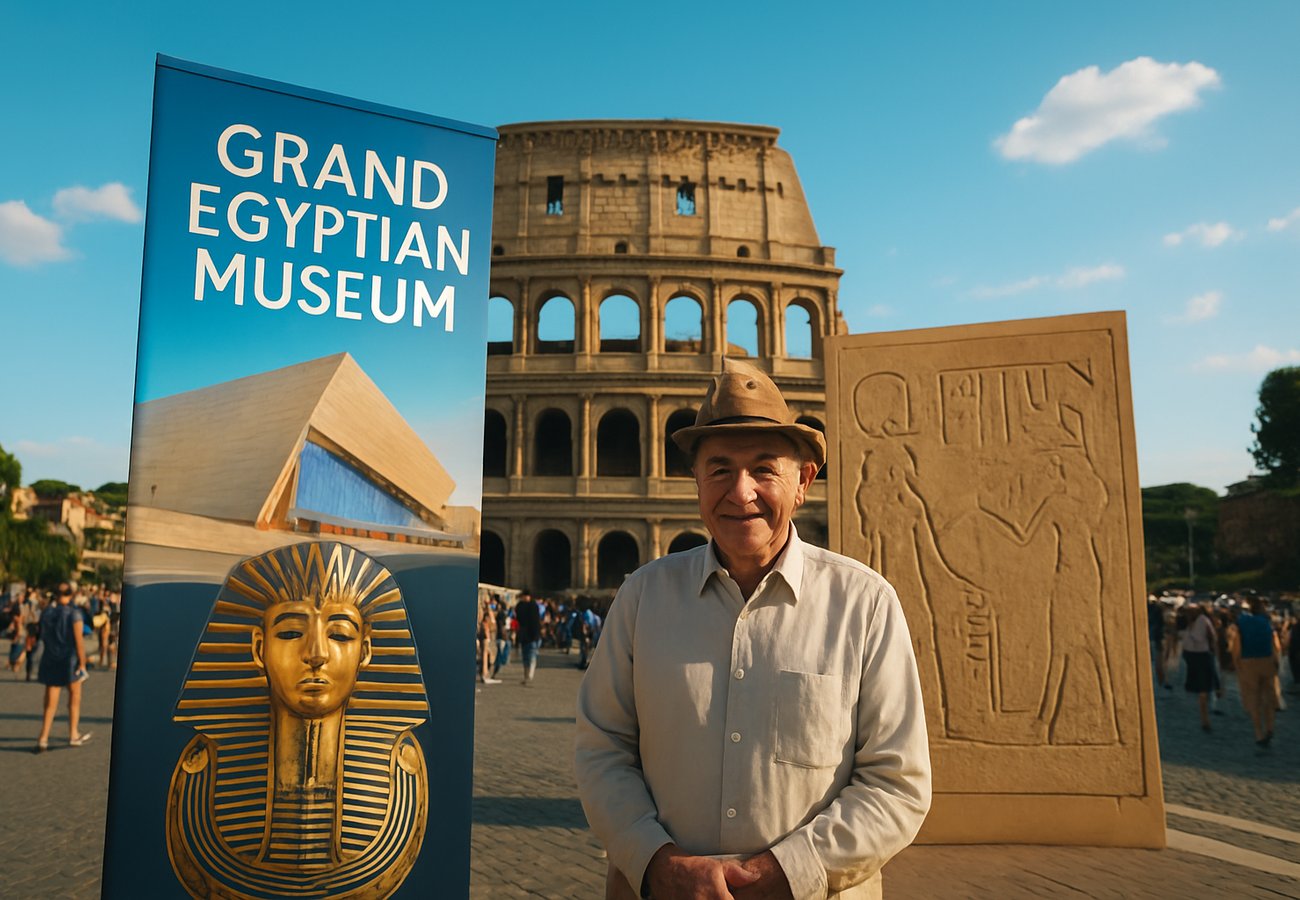
Image generated by AI
Quick Summary
- Diplomatic Initiative: The Egyptian Embassy and Rome’s municipal authorities co-organized a major cultural diplomacy and tourism event.
- Archaeological Spotlight: Renowned Egyptologist Zahi Hawass presented recent discoveries and historical narratives to an international audience.
- Key Landmark: The Grand Egyptian Museum (GEM) was positioned as a global cultural hub and the centerpiece of Egypt’s modern tourism infrastructure.
- Heritage Focus: Highlights included the Abu Simbel temple complex, the Tomb of Queen Nefertari, and the legacy of Cleopatra.
- Strategic Market: The event targeted Italy, a critical market for high-value heritage and archaeological travel.
- Bilateral Cooperation: Egypt and Italy reinforced ties in excavation, museum partnerships, and cultural exchange.
- Source: Ministry of Tourism and Antiquities and Egyptian Embassy in Rome official update as of May 7, 2026.
Egypt’s global tourism identity has been significantly elevated through a major cultural diplomacy event in Rome, where the nation’s unparalleled archaeological legacy was showcased to an international audience of diplomats, cultural experts, and tourism professionals. Released on May 7, 2026, the initiative—organized by the Egyptian Embassy in collaboration with Rome’s municipal authorities—featured renowned Egyptologist Zahi Hawass, who highlighted Egypt’s latest archaeological discoveries and the strategic importance of the Grand Egyptian Museum (GEM). By spotlighting iconic landmarks such as Abu Simbel and the Tomb of Queen Nefertari, Egypt is aggressively positioning itself as the world’s premier heritage travel destination while strengthening its long-standing cultural and diplomatic ties with Italy, a key market for high-value archaeological tourism. The event underscores Egypt’s strategy of using historical storytelling and museum development to drive long-term international arrivals.
Egypt-Italy Cultural Diplomacy 2026: Key Archaeological and Tourism Highlights
The following table summarizes the primary archaeological sites and cultural projects promoted during the Rome diplomacy event.
| Project / Site | Historical Significance | Modern Tourism Value |
|---|---|---|
| Grand Egyptian Museum (GEM) | Houses 100,000+ artifacts (Tutankhamun) | Global cultural hub near the Giza Pyramids |
| Abu Simbel Temples | Built by Pharaoh Ramesses II | Landmark of architectural precision & relocation |
| Tomb of Queen Nefertari | New Kingdom (Valley of the Queens) | World-class craftsmanship & mural preservation |
| Zahi Hawass Excavations | Continuous archaeological research | Driving global interest in Egyptology |
| Cleopatra’s Legacy | Ptolemaic political history | Enduring cultural influence & attraction |
| Egypt-Italy Partnership | Long-standing academic cooperation | Strengthening excavation & museum ties |
Cultural Diplomacy in Rome: Strengthening Egypt-Italy Tourism Relations
The event serves as a platform for deepening bilateral ties between two of the world's most significant cultural powers:
- Bilateral Synergy: The collaboration between the Egyptian Embassy and Rome’s municipal authorities reflects a shared interest in heritage preservation.
- Italian Market Focus: Italy has historically maintained strong academic and archaeological cooperation with Egypt, making it a primary target for heritage tourism growth.
- Diplomatic Reach: The showcase engaged media representatives and cultural experts to enhance Egypt’s visibility across Europe.
Zahi Hawass: Archaeological Narratives and the Global Appeal of Egyptology
Dr. Zahi Hawass played a central role in articulating Egypt’s modern archaeological vision:
- Recent Discoveries: Hawass shared insights into ongoing excavation efforts, reinforcing the narrative of Egypt as a "living museum."
- Expert Storytelling: His participation provided an authoritative perspective on the preservation and presentation of ancient Egyptian artifacts.
- Global Outreach: The presentation focused on attracting the next generation of travelers interested in immersive historical experiences.
The Grand Egyptian Museum (GEM): A Global Cultural Landmark Near Giza
The GEM remains the cornerstone of Egypt’s tourism infrastructure strategy:
- Scale and Scope: Positioned as the world’s largest archaeological museum, housing treasures from multiple dynasties.
- Tutankhamun Collection: The museum will feature the complete collection of artifacts from the tomb of the "Boy King."
- Integrated Experience: Its proximity to the Pyramids of Giza offers travelers a seamless connection between ancient monuments and modern exhibition technology.
Abu Simbel and Pharaoh Ramesses II: The Legacy of Architectural Precision
The historical depth of Upper Egypt was a major focal point in the Rome showcase:
- Ramesside Splendor: Abu Simbel’s monumental temples represent the height of the New Kingdom’s architectural achievements.
- The Relocation Story: The event highlighted the 1960s international rescue operation, which remains a symbol of global cultural cooperation.
- Temple Tours: Abu Simbel continues to be a primary driver for river cruise tourism in the Nile Valley.
Queen Nefertari and the Valley of the Queens: Showcasing New Kingdom Art
The tomb of Queen Nefertari was highlighted for its exceptional artistic preservation:
- Craftsmanship: Known as the "Sistine Chapel of Ancient Egypt," the tomb features intricate wall paintings that reflect 19th Dynasty artistry.
- Exclusive Access: Authorities promoted the site as an elite cultural experience for travelers seeking the highest standards of archaeological preservation.
- Heritage Values: The tomb's decoration underscores the status of women in ancient Egyptian society and politics.
Heritage Travel as a Pillar of Egypt’s National Tourism Strategy
Egypt’s Ministry of Tourism and Antiquities is prioritizing archaeological sites for economic growth:
- Core Pillar: Archaeological tourism is consistently promoted as a key driver of national revenue and international visibility.
- Destination Clusters: Focus remains on Luxor, Aswan, the Nile Valley, and the Pyramids of Giza.
- Integrated Circuits: Efforts are underway to link heritage sites with modern leisure tourism in the Red Sea and Mediterranean.
Diplomatic Engagement: Collaborative Preservation and Museum Partnerships
The Rome event showcased the strength of Italy-Egypt academic ties:
- Joint Excavations: Highlighting the success of Italian-Egyptian archaeological missions in uncovering new sites.
- Museum Alliances: Fostering dialogue between Italian and Egyptian museum professionals for best practices in curation and conservation.
- Educational Exchange: Promoting student and expert exchange programs in the fields of archaeology and heritage management.
Conclusion: Elevating Egypt’s Archaeological Identity on the Global Stage
The May 7, 2026, cultural diplomacy event in Rome confirms Egypt’s status as a leading global archaeological destination. By leveraging the expertise of Zahi Hawass and the monumental appeal of the Grand Egyptian Museum, Egypt is successfully translating its ancient splender into a modern tourism strategy. The strengthening of ties with Italy not only enhances archaeological cooperation but also secures a steady flow of high-value travelers to the Nile Valley and Giza. As Egypt continues to unveil the timeless legacy of its Pharaohs, the integration of heritage, diplomacy, and modern infrastructure will ensure that the "Gift of the Nile" remains a central pillar of the global travel market for decades to come.
FAQ: Egypt’s Rome Cultural Diplomacy 2026
What was the purpose of the Egypt event in Rome? The event aimed to promote Egypt's archaeological heritage, the Grand Egyptian Museum, and strengthen tourism ties between Egypt and Italy.
Who was the key speaker at the event? Renowned Egyptologist Dr. Zahi Hawass addressed the audience, highlighting Egypt’s recent archaeological discoveries.
Which Egyptian landmarks were featured in the promotion? The Grand Egyptian Museum (GEM), Abu Simbel temples, and the Tomb of Queen Nefertari were the primary highlights.
Related Egyptian Heritage News
- Grand Egyptian Museum (GEM): Opening Dates and Visitor Guide 2026
- Zahi Hawass and the Search for Cleopatra’s Tomb: Latest Updates
- Upper Egypt Heritage Circuits: Luxor and Aswan Travel Trends
Disclaimer: All archaeological and diplomatic data are manually obtained from the Ministry of Tourism and Antiquities and the Egyptian Embassy in Rome official update as of May 7, 2026.
Kunal K Choudhary
Co-Founder & Contributor
A passionate traveller and tech enthusiast. Kunal contributes to the vision and growth of Nomad Lawyer, bringing fresh perspectives and driving the community forward.
Learn more about our team →