
US State Department Level 4 Alert: 6 Middle East Zones Locked Down, Travel Hacks for Safe Family Navigation
US State Department issues sweeping Worldwide Caution on Middle East tensions. Level 4 no-travel zones expand to 6 countries. Learn smart strategies families use to navigate disrupted international borders safely.

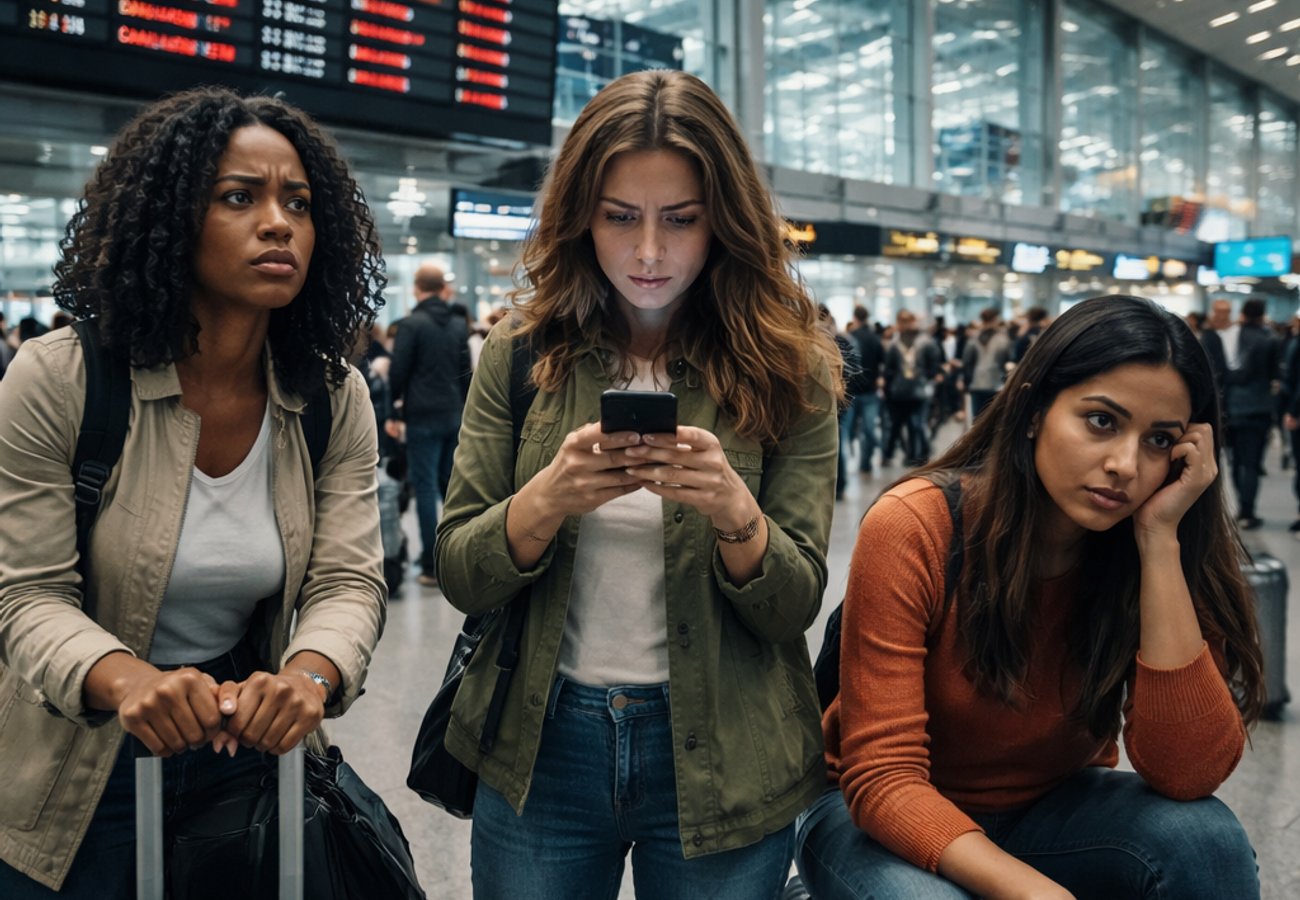
Image generated by AI
Your phone buzzes at 6 AM. A US State Department alert floods your screen. The dream vacation you've been planning for two years sits in jeopardy. For families with non-refundable bookings and professionals juggling cross-border meetings, this moment triggers real panic.
But here's what resilient travelers know: panic doesn't get you home safely. Intelligence does.
Understanding the Escalation: Why Washington Just Raised the Alert Level
The US Department of State has re-verified and expanded its Worldwide Caution directive following accelerating military tensions in the Middle East. The Bureau of Consular Affairs now tracks heightened risks across multiple geographic corridors. Civil aviation authorities report cascading operational friction: airspace closures, mandatory flight rerouting, and aggressive terminal checkpoints ripple across major connecting hubs.
The math is brutal. Civilian carriers must abandon traditional flight tracks to avoid unpredictable localized threats. Even travelers flying outside direct conflict zones face missed connections, surprise layovers, and route cancellations.
Reddit: "I was supposed to arrive in Dubai tomorrow. My airline just rerouted me through Europe. Nine extra hours of travel, but at least I'm moving." — r/travel
The Four-Tier Risk Framework: Decoding Your Travel Zone
Federal foreign policy bureaus classify global hazards into four distinct security levels. Understanding where your destination lands determines what you can legally do—and what you must do.
Level 1 — Exercise Normal Precautions: Standard international trip risks apply. Continue your plans with baseline awareness.
Level 2 — Exercise Increased Caution: Regional tensions rising. Stay alert, monitor surroundings, check embassy websites daily.
Level 3 — Reconsider Travel: Serious vulnerabilities exist. Trip cancellation is prudent. Travel insurance claims likely apply.
Level 4 — Do Not Travel: Ironclad mandate. Life-threatening hazards are active. The US government cannot guarantee emergency rescue operations.
The Expanded Level 4 Do Not Travel Zone: Six Countries Now Off-Limits
The State Department's latest classification locks down six nations under absolute non-entry mandate:
- Iran
- Iraq
- Lebanon
- Syria
- Yemen
- Gaza Strip
Consular safety specialists are explicit: Level 4 zones present zero operational capability for government emergency extraction or field medical deployment if civilians become compromised.
The Active Level 3 Reconsider Travel Corridor: Nine Middle East Nations
Nine additional destinations require immediate travel reconsideration:
- Bahrain
- Israel
- Jordan
- Kuwait
- Oman
- Qatar
- Saudi Arabia
- United Arab Emirates
- West Bank
Level 3 status doesn't mean travel is impossible—it means you must reassess your essential need to travel and accept elevated operational risks. Insurance policies, flight cancellation terms, and embassy support become critical considerations.
Smart Travel Hacks: How Resilient Families Navigate Disrupted Borders
Register with STEP immediately. The Smart Traveler Enrollment Program creates a direct digital link between you and your nearest embassy. During sudden evacuations, diplomats can broadcast updates and locate civilian coordinates. Sign up takes five minutes at Step.state.gov.
Monitor embassy websites daily. Conditions shift hourly. Most US embassies maintain current security alerts separate from the general advisory. Bookmark yours.
Build 48-hour flexibility into bookings. Airlines reroute flights with 24-48 hours notice. Book flights with airlines offering free rebooking on competing carriers—avoid ultra-low-cost carriers for now.
Maintain low public visibility. Social media geotags, public itineraries, and visible Western symbols attract unnecessary attention. Keep your trip details private.
Diversify your communication backup. Cellular networks collapse first. Download offline maps, memorize embassy phone numbers, and carry satellite communication capability if traveling into Level 3 zones.
How the Hospitality Sector Is Responding
Mediterranean cruise operators are aggressively rewriting Gulf itineraries. Surrounding Level 2 regions—Turkey, Egypt, Morocco—are capturing massive booking surges as families redirect summer plans. Hotels in these safer zones report 40-60% occupancy jumps within 72 hours of alert expansions.
Emergency digital registration platforms report record daily sign-ups. Localized shelter protocols now replace standard sightseeing itineraries across high-density urban transit nodes.
This isn't the rigid vacation planning of 2015. This is real-time, adaptive cross-border logistics.
What This Means for Your Summer Travel Plans
If your destination sits in Level 1 or Level 2, proceed with heightened awareness. Monitor conditions weekly. Keep travel insurance active and ensure your policy covers geopolitical disruptions.
If you're booked into Level 3 zones, call your airline and insurance provider this week. Many carriers now waive change fees for affected routes. Insurance policies frequently cover cancellation due to government travel advisories—filing takes 15 minutes.
If you hold Level 4 bookings, cancel immediately. No vacation justifies the operational reality that your government cannot extract you if conditions deteriorate.
The Human Reality Behind the Warnings
Behind every travel advisory sits intelligence teams analyzing real-time security data. Behind every Level 4 designation sits a specific, documented threat. These aren't bureaucratic caution flags—they're informed assessments built on classified military tracking, diplomatic reporting, and hostage rescue protocols.
The beauty of the modern travel ecosystem isn't that crises disappear. It's that information flows instantly. Bed-and-breakfast hosts message incoming guests with reassurances. Airport staff work overtime untangling disruptions. Families make informed decisions instead of discovering threats at passport control.
Your freedom to explore remains intact. Your responsibility is to explore with open eyes and current intelligence.
Stay alert, stay informed, and let data—not headlines—drive your next journey.
Related Travel Guides
Disclaimer
This article is for informational and educational purposes only. It does not constitute legal, financial, or professional advice. While we strive to provide accurate and up-to-date information, travel policies, regulations, and conditions change rapidly. Always verify information with official sources before making travel decisions. Nomad Lawyer makes no representations about the accuracy, reliability, completeness, or suitability of the information provided. Readers should consult qualified professionals for advice specific to their circumstances. The views expressed in this article are those of the author and do not necessarily reflect the views of Nomad Lawyer.
Raushan Kumar
Founder & Lead Developer
Full-stack developer with 11+ years of experience and a passionate traveller. Raushan built Nomad Lawyer from the ground up with a vision to create the best travel and law experience on the web.
Learn more about our team →