
Hawaii Reopens Kauai’s Hāʻena State Park and Kalalau Trail to Hanakāpīʻai Following Hurricane Lowell Disruption
Hāʻena State Park and the first two miles of the Kalalau Trail to Hanakāpīʻai Beach reopen on Kauai after Hurricane Lowell, while Kōkeʻe and the full 11-mile trail remain closed.

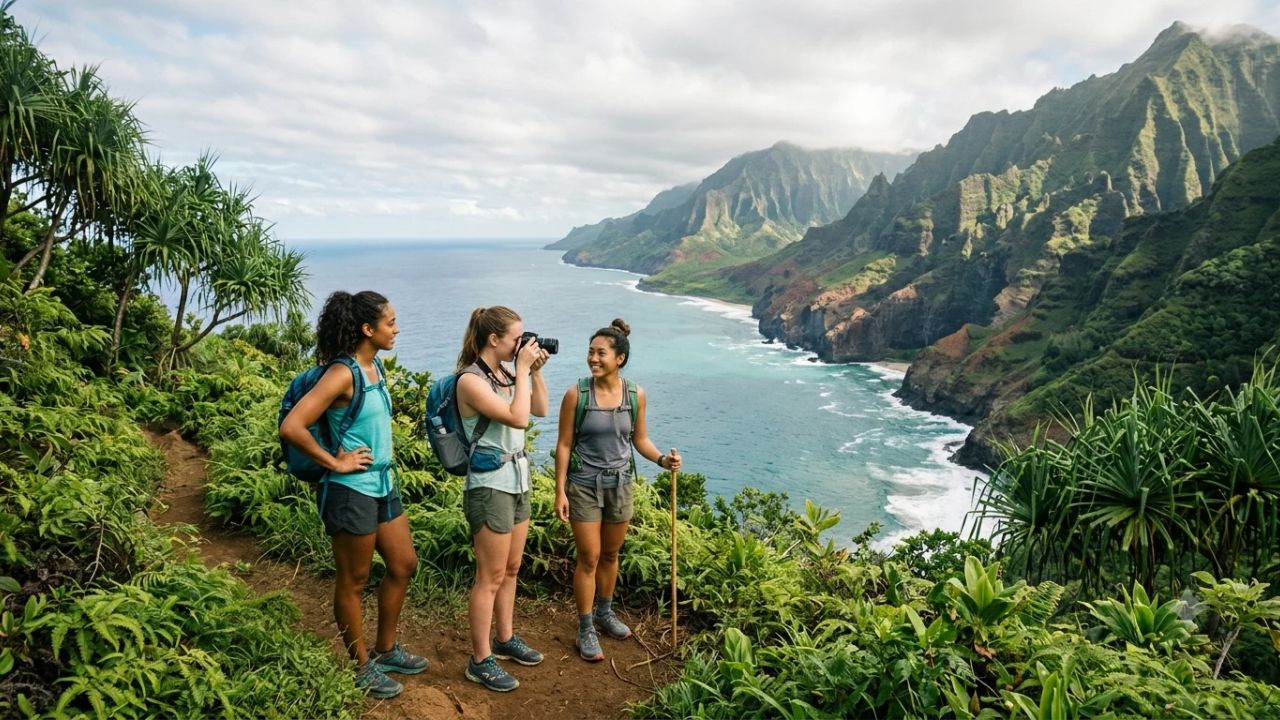
Hāʻena State Park on Kauaʻi’s iconic North Shore has officially reopened to the public following more than five weeks of closure caused by Hurricane Lowell, restoring controlled visitor access to the gateway of the world-famous Nā Pali Coast. State conservation officials with the Hawaii Department of Land and Natural Resources (DLNR) confirmed that comprehensive safety assessments, trail stabilization, and debris clearance permitted a phased reopening beginning 15 October 2026. While day hikers can once again access the first two miles of the Kalalau Trail to Hanakāpīʻai Beach and Valley, the remaining nine miles of the trail, all overnight camping, and several other major Kauaʻi state parks—including Kōkeʻe and outer sections of Waimea Canyon—remain strictly closed.
The reopening marks a critical milestone in Kauaʻi’s ecological and economic recovery following the September storm. Closed since 6 September 2026 as Hurricane Lowell approached the Hawaiian archipelago with destructive gale-force winds and torrential downpours, the park’s restoration was executed through close collaboration between DLNR’s Division of State Parks and local Native Hawaiian stewardship non-profits, including Hui Makaʻāinana o Makana and the Hanalei Initiative. However, park rangers emphasize that the reopening is strictly managed and partial, urging incoming holidaymakers to respect active barriers, secure advance reservations, and avoid hazardous backcountry terrain.
       HĀʻENA STATE PARK & NĀ PALI COAST TRAIL ACCESS STATUS
┌────────────────────────────────────────────────────────┐
│  HĀʻENA STATE PARK ENTRANCE & DAY-USE AREAS            │
│  STATUS: OPEN (7:00 AM – 6:45 PM Daily)                │
│  North Shore Shuttle Resumed │ Reservations Mandatory   │
└───────────────────────────┬────────────────────────────┘
                            │
┌───────────────────────────┴────────────────────────────┐
│  KALALAU TRAIL: MILES 0 TO 2 (Coastal Ridge Walk)      │
│  STATUS: OPEN (Day-Use Only)                           │
│  Dramatic Nā Pali Cliff Vistas │ Saturated Muddy Trails │
└───────────────────────────┬────────────────────────────┘
                            │
┌───────────────────────────┴────────────────────────────┐
│  HANAKĀPĪʻAI BEACH & VALLEY INTERIOR                   │
│  STATUS: OPEN (Day-Use Only)                           │
│  Beach Accessible (High Surf Alert) │ Falls Trail Open │
└───────────────────────────┬────────────────────────────┘
                            │
┌───────────────────────────┴────────────────────────────┐
│  KALALAU TRAIL: MILES 2 TO 11 (Beyond Hanakāpīʻai)     │
│  STATUS: STRICTLY CLOSED                               │
│  Dangerous Landslides │ Crawler's Ledge Unstable       │
│  All Overnight Camping Banned │ Violators Subject to Fines│
└────────────────────────────────────────────────────────┘
Permitted Access Zones: What Hikers Can and Cannot Visit
Under the phased operating framework enacted by the Division of State Parks, access within Hāʻena State Park is strictly categorized between restored day-use corridors and high-risk restricted zones:
1. The Reopened 2-Mile Coastal Section to Hanakāpīʻai Beach
Day hikers are permitted to traverse the initial two miles of the Kalalau Trail, beginning at the Keʻe Beach trailhead and winding along the towering ocean cliffs of the Nā Pali Coast. The trail offers panoramic vistas across the Pacific Ocean before descending into Hanakāpīʻai Valley.
Although the round-trip distance is four miles, rangers caution that the trek is physically strenuous. Torrential rains from Hurricane Lowell triggered localized soil slippage, leaving sections of the volcanic clay trail slick, rocky, and uneven. Sturdy hiking boots with deep traction, trekking poles, and adequate water reserves are mandatory for safe transit.
2. Hanakāpīʻai Beach and Severe Ocean Safety Warnings
While the beach at Hanakāpīʻai is accessible, state authorities have issued severe ocean safety advisories. Hanakāpīʻai Beach has no protective offshore barrier reef; it is directly exposed to heavy northern winter swells that generate powerful shorebreaks and deadly rip currents.
Numerous drownings have occurred along this isolated stretch of coastline. Visitors must not mistake the reopening of the coastal trail as an endorsement of swimming. Park rangers advise visitors to remain well above the high-tide wash line and refrain from entering the ocean under any circumstances.
3. Hanakāpīʻai Falls Day Hike
Day-use hiking is also permitted along the inland spur trail connecting Hanakāpīʻai Beach to Hanakāpīʻai Falls. This four-mile round-trip trek (bringing the full day hike to eight miles from Keʻe Beach) leads through dense bamboo groves and lush tropical forest to a 300-foot cascading waterfall.
However, the route requires multiple crossings of Hanakāpīʻai Stream. During periods of heavy mountain rainfall, the stream can transform into a raging torrent within minutes. Hikers must never attempt to cross swollen, brown-water streams and must budget sufficient daylight to return to the shuttle pick-up point before park gates close at 6:45 PM.
4. Absolute Closure of the Full 11-Mile Kalalau Trail
Beyond the Hanakāpīʻai Valley emergency gate, the remaining nine miles of the Kalalau Trail—including the treacherous traverse across Crawler’s Ledge and access to Kalalau Beach—remain strictly closed to all public access.
State geotechnical teams have documented active rockfalls, undermined cliff edges, and severe trail washouts along the remote cliffs. Entering closed sections is a petty misdemeanor punishable by mandatory court appearances, substantial fines, and potential arrest. All backcountry camping permits along the Kalalau Trail remain suspended indefinitely.
Island-Wide Kauaʻi State Park Restrictions: Waimea Canyon, Kōkeʻe, and Wailua
The aftermath of Hurricane Lowell continues to constrain outdoor recreation across Kauaʻi. Because the island's premier natural landmarks are distributed across distinct micro-climates, travelers must carefully track individual park operating statuses.
       KAUAʻI STATE PARK SYSTEM RECOVERY STATUS (OCTOBER 2026)
┌───────────────────────┬──────────────────────────┬─────────────────────────────┐
│ Park or Natural Area  │ Operating Status         │ Specific Access Conditions  │
├───────────────────────┼──────────────────────────┼─────────────────────────────┤
│ **Hāʻena State Park** │ Partially Open (Day-Use) │ First 2 miles open;         │
│ (North Shore)         │ 7:00 AM – 6:45 PM        │ Full 11-mile trail closed   │
├───────────────────────┼──────────────────────────┼─────────────────────────────┤
│ **Waimea Canyon**     │ Partially Reopened       │ Main Lookout open 24 Oct;   │
│ (West Kauaʻi)         │ Highly Restricted        │ Other lookouts/trails closed│
├───────────────────────┼──────────────────────────┼─────────────────────────────┤
│ **Kōkeʻe State Park** │ **Completely Closed**    │ All hiking trails closed;   │
│ (Mountain Interior)   │ High Geotechnical Risk   │ Kōkeʻe Road travel barred   │
├───────────────────────┼──────────────────────────┼─────────────────────────────┤
│ **Wailua River**      │ Partially Open           │ Main river open to boats;   │
│ (East Kauaʻi)         │ Trail Closures Active    │ Secret Falls/Uluwehi banned │
└───────────────────────┴──────────────────────────┴─────────────────────────────┘
Waimea Canyon State Park: Limited Lookout Access
Known as the "Grand Canyon of the Pacific," Waimea Canyon suffered widespread road shoulder erosion and localized debris flows. State highway crews completed emergency clearing along Waimea Canyon Road, allowing the Waimea Canyon Lookout (Mile Marker 10) to partially reopen to vehicular traffic on 24 October 2026.
However, all secondary viewpoints—including Puʻu Hinahina Lookout and the Kalalau Lookout at the road's terminus—remain barricaded, and all canyon hiking trails remain closed while engineers stabilize road cuts.
Kōkeʻe State Park: Total Closure Persists
Located higher in Kauaʻi’s mountainous interior adjacent to Waimea Canyon, Kōkeʻe State Park remains completely closed. Saturated soils across the Alakaʻi Plateau have resulted in fallen native koa and ʻōhiʻa trees, blocking trail networks and threatening historic park cabins.
Kōkeʻe Road is closed past the canyon lookout, barring all general public vehicular access. The DLNR has not announced a definitive reopening timeline for Kōkeʻe, noting that comprehensive tree mitigation must precede any public access.
Wailua River State Park: Secret Falls and Fern Grotto Limits
On Kauaʻi’s eastern coast, Wailua River State Park partially resumed operations on 21 September 2026. While commercial motorized boat tours can navigate the navigable lower river to Fern Grotto, independent kayakers remain barred from landing at the grotto docks.
Crucially, the popular hiking trail leading to Uluwehi Falls (Secret Falls) remains entirely closed due to dangerous stream bed erosion, hazardous submerged debris, and unstable riverbank crossings.
Managed Tourism Architecture: Reservations, Shuttle Operations, and Fees
The reopening of Hāʻena State Park operates within the strict carrying-capacity framework established following the devastating 2018 North Shore flood, which shuttered the region for 18 months. Designed to eliminate chaotic roadside parking, protect fragile cultural sites (loʻi kalo taro wetlands), and respect the residential community of Haʻena, the park enforces mandatory advance reservations.
       HĀʻENA STATE PARK ENTRY & PERMIT MATRIX
┌─────────────────────────┬────────────────────────────────────────────┐
│ Visitor Category        │ Mandatory Requirement & Fee Structure      │
├─────────────────────────┼────────────────────────────────────────────┤
│ Non-Resident Entry Fee  │ $5.00 per person (Children ≤3 free)        │
│ Non-Resident Parking    │ $10.00 per vehicle slot (Extremely limited)│
│ North Shore Shuttle     │ Round-trip booking includes park entry     │
│ Hawaii State Residents  │ Free entry & parking with valid HI State ID│
├─────────────────────────┴────────────────────────────────────────────┤
│ OPERATIONAL GUIDELINES:                                              │
│ • Daily Park Hours: 7:00 AM to 6:45 PM                               │
│ • Shuttle Pick-up Hub: Waipa Park & Ride (near Hanalei)              │
│ • Final Evening Shuttle Departure from Park: 5:40 PM Sharp           │
│ • Commercial Vending & Unauthorized Tour Operators Prohibited        │
└────────────────────────────────────────────────────────┘
Key rules governing park access include:
- Advance Reservation Windows: Out-of-state visitors must purchase reservations up to 30 days in advance via the official DLNR portal. Entry vouchers sell out within minutes of release.
- The North Shore Shuttle Mandate: Because parking inside Hāʻena is capped at roughly 100 stalls (reserved predominantly for local residents and ADA access), the vast majority of non-resident visitors must book the Kauai North Shore Shuttle. Operating from the Waipa Park & Ride just past Hanalei, the shuttle provides seamless round-trip transit. Tickets include the park entry fee.
- Winter Shuttle Timetable: The final return shuttle departs Hāʻena State Park at 5:40 PM. Hikers who fail to return from Hanakāpīʻai Falls in time face a grueling five-mile walk along narrow, unlit rural highways back to Hanalei.
- Hawaii Resident Protections: In accordance with state law, Hawaii residents holding a valid state driver's license or state ID card receive free admission and free parking without requiring advance reservations, safeguarding traditional gathering rights and community access.
Economic and Cultural Stakes: Sustaining Local North Shore Livelihoods
The successful reopening of Hāʻena represents more than scenic restoration; it is the economic lifeline of Kauaʻi’s North Shore. According to DLNR economic assessments, Hāʻena State Park directly and indirectly supports approximately 50 local jobs, encompassing park maintenance crews, cultural docents, ecological monitors, shuttle drivers, and trailhead safety ambassadors.
Moreover, the managed-access model exemplifies community-based natural resource management (CBNRM). Non-profit organizations like Hui Makaʻāinana o Makana actively steward the agricultural taro fields and ancestral burial grounds within the park, ensuring that tourism revenues support native ecosystem restoration and cultural education rather than unchecked commercial exploitation.
Practical Checklist for Travelers Visiting Hāʻena State Park
Travelers planning to visit Kauaʻi’s North Shore during the post-hurricane recovery period should follow these operational recommendations:
- Book Shuttles Immediately: Secure shuttle and entry passes exactly 30 days prior to your intended visit date. Do not drive to Hāʻena without a confirmed parking pass; illegal parking along Route 560 results in steep $200+ towing citations.
- Monitor DLNR Trail Advisories Daily: Trail conditions fluctuate rapidly with mountain weather. Check the official DLNR Division of State Parks portal on the morning of your hike to ensure sudden flash flood warnings have not prompted a temporary gate closure.
- Pack Self-Sufficiency Gear: There are no food concessions or gear rental shops inside Hāʻena State Park. Bring at least two liters of drinking water per person, high-energy food, a personal first-aid kit, reef-safe sunscreen, and a headlamp in case your hike runs late.
- Respect Cultural Protocols: Stay on established, open trails. Do not touch or move volcanic rocks, which frequently form sacred ancestral terraces (heiau) or boundary markers throughout Hanakāpīʻai Valley.
Frequently Asked Questions
When did Hāʻena State Park reopen after Hurricane Lowell?
Hāʻena State Park reopened on 15 October 2026 after a five-week closure that began on 6 September 2026 due to damage and safety hazards caused by Hurricane Lowell.
Is the entire Kalalau Trail open for hiking?
No. Only the first two miles of the Kalalau Trail to Hanakāpīʻai Beach and Valley, along with the spur trail to Hanakāpīʻai Falls, are open for day-use. The remaining nine miles to Kalalau Beach and all overnight camping remain strictly closed.
Can tourists swim at Hanakāpīʻai Beach?
Swimming at Hanakāpīʻai Beach is strongly discouraged and extremely hazardous due to severe rip currents, powerful shorebreaks, and the absence of a barrier reef. Multiple fatal drownings have occurred at this location.
Are reservations required to visit Hāʻena State Park?
Yes. All non-Hawaii residents must obtain an advance reservation for entry, parking, or the North Shore Shuttle through the official state reservation system. Hawaii residents with state ID enter freely without reservations.
Related Travel Guides
- Japan Tourism Faces Fresh Pressure as September Slump Erases Nearly 25% of 2026 Thai Visitor Growth
- Japan Tourism Faces 2.9% Inbound Dip Amid 55.5% Chinese Visitor Slump as South Korea, Taiwan, and Thailand Drive Growth
- U.S. Virgin Islands Makes History as Charlotte Amalie Named 2026 American World War II Heritage City, Unlocking Heritage Tourism
Disclaimer
This article is for informational and educational purposes only. It does not constitute legal, financial, or professional advice. While we strive to provide accurate and up-to-date information, travel policies, regulations, and conditions change rapidly. Always verify information with official sources before making travel decisions. Nomad Lawyer makes no representations about the accuracy, reliability, completeness, or suitability of the information provided. Readers should consult qualified professionals for advice specific to their circumstances. The views expressed in this article are those of the author and do not necessarily reflect the views of Nomad Lawyer.
Preeti Gunjan
Contributor & Community Manager
A passionate traveller and community builder. Preeti helps grow the Nomad Lawyer community, fostering engagement and bringing the reader experience to life.
Learn more about our team →