
US Hosts Alaska Federation of Natives Convention 2026 as Indigenous Culture Powers Anchorage Tourism
US Hosts Alaska Federation of Natives Convention 2026 as Indigenous Culture Powers Anchorage Tourism

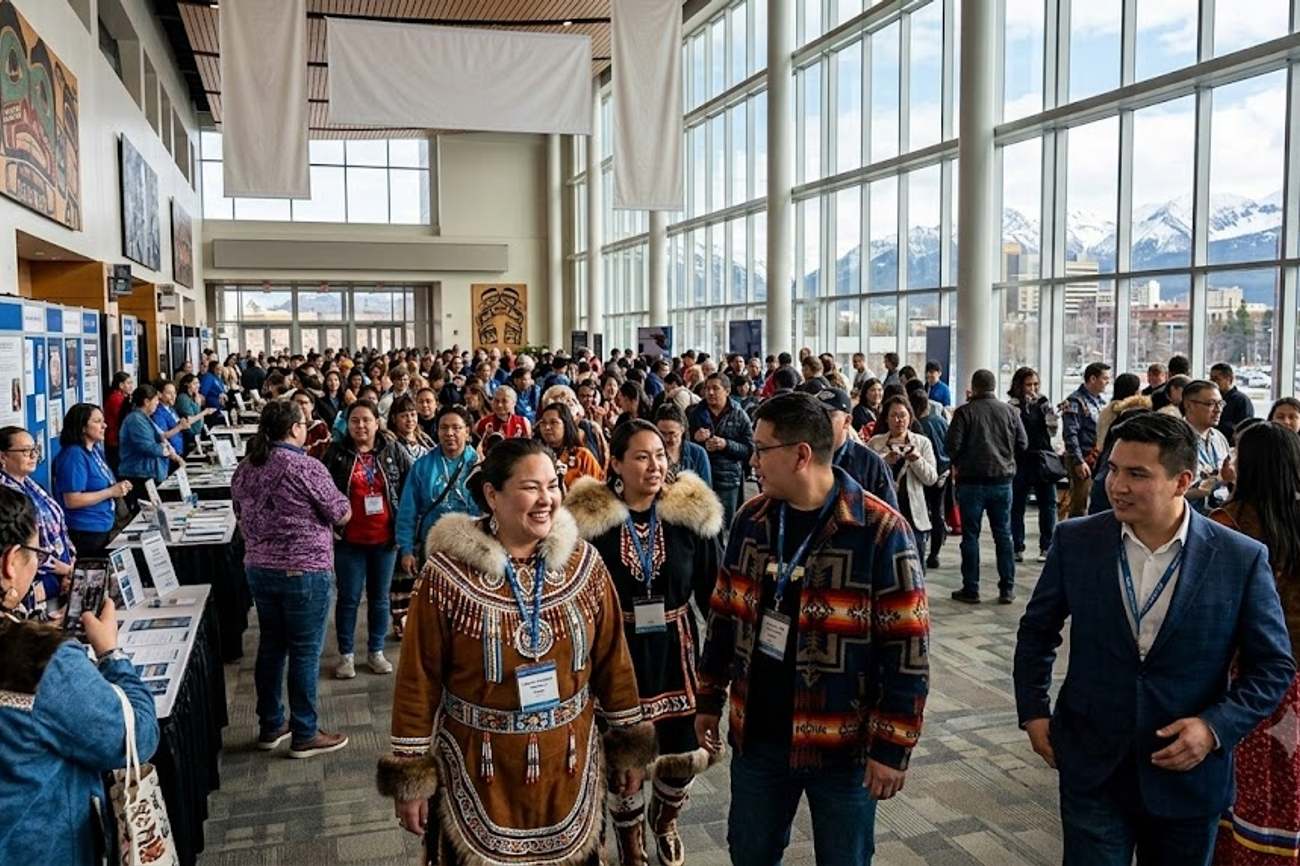
Image generated by AI
title: "Rooted in Land and Tradition: Navigating the 60th Alaska Federation of Natives Convention" date: 2024-05-20 category: Destination Features tags: [AFN-Convention-2026, Anchorage-Alaska-Travel, Alaska-Native-Culture, Quyana-Alaska-Dance]
While many visitors view Alaska as a wilderness of glaciers and bears, the heart of its identity resides in a community that represents roughly one in five Alaskans. The Alaska Federation of Natives (AFN) is not merely an organization; it is the political and cultural backbone for more than 140,000 Indigenous people, ensuring that the voices of the North are heard in the halls of power.
The 60th Anniversary of Indigenous Sovereignty
In October 2026, Anchorage will transform into the epicenter of Indigenous leadership as it hosts the 60th Annual Alaska Federation of Natives Convention. This is not a corporate trade show; it is a homecoming. Since its inception in 1966, AFN has served as the primary vehicle for strengthening the economic, political, and cultural standing of Alaska Native communities. The 2026 gathering, themed “Rooted in Land and Tradition, Rising in Our Voices,” arrives at a pivotal moment of reflection on six decades of representation.
The scale of the event is significant, drawing approximately 6,000 attendees annually to the Dena’ina Civic and Convention Center. These participants include a diverse cross-section of the North: tribal elders who carry the oral histories of their people, youth learning the rhythms of their ancestors, delegates from various Alaska Native corporations, and policymakers. While the physical gathering is concentrated in downtown Anchorage, the event's resonance is global, with a webcast that transmits the proceedings to 70 countries, bridging the gap between remote Arctic villages and the international community.
The intellectual anchor for the 2026 convention is Dr. Rosita Worl, the confirmed keynote speaker. As a Tlingit anthropologist, author, and the President of the Sealaska Heritage Institute, Worl brings a scholarly yet deeply personal perspective on self-determination and the preservation of Indigenous knowledge. Her presence signals that the 60th anniversary will focus heavily on the intersection of identity and the future of Native governance.
What Makes Anchorage Different During AFN
For three days, the urban grid of Anchorage shifts its frequency. The Dena’ina Civic and Convention Center, with its nearly 100,000 square feet of space—including a 50,000-square-foot exhibition hall and the 25,000-square-foot Tikahtnu Ballroom—becomes a sanctuary of tradition. The juxtaposition of a modern city skyline against the ancient sounds of drumming and the sight of ceremonial regalia creates an energy that is unique to this specific window of the Alaskan autumn.
The most visceral experience for a visitor is the Alaska Native Customary Art Fair. This is not a curated gallery experience but a direct exchange between creator and collector. More than 170 artists and artisans, including those from Native American communities in the Lower 48, showcase their work. The demand for this experience is immense; for 2026, the artist tables have already sold out, reflecting the high value placed on authentic Indigenous craftsmanship.
Then there is Quyana Alaska. Launched in 1982 to prevent traditional dances from fading into memory, this program has seen more than 200 groups participate over the decades. For the 2026 event, 14 groups are scheduled to perform on October 22 and 23. These performances represent a staggering array of cultural lineages, including the Tlingit, Haida, Yupik, Iñupiaq, Alutiiq, Unangax̂, Cupik, Tsimshian, and Athabascan peoples. To witness these dances is to see a living map of Alaska's diverse Indigenous geography.
Visitor Insider Tips
If you are planning to attend the AFN Convention in October 2026, you must move beyond the standard tourist approach. This is a community event first and a tourist attraction second.
Timing and Access The convention runs from October 22–24, 2026. If your primary interest is the dance, mark October 1 on your calendar—that is when tickets for the Quyana Alaska performances officially go on sale. These are highly coveted and sell quickly. The Customary Art Fair is free and open to the public, making it the most accessible entry point for those not attending the policy sessions.
Logistics and Lodging Base yourself in downtown Anchorage. The Dena’ina Center is strategically located within walking distance of over 2,000 hotel rooms. Avoiding a rental car during these three days is a pro move; the concentration of hotels, restaurants, and the venue means you can navigate the entire experience on foot.
Local Etiquette When attending the Customary Art Fair or Quyana performances, remember that you are entering a space of deep cultural significance. Always ask before taking close-up photographs of elders or ceremonial regalia. When purchasing art, engage with the artist about the meaning behind the piece; these are often family heirlooms or stories rendered in wood, beadwork, or skin.
Culinary Exploration While the AFN Banquet on October 24 at 7 pm is a cornerstone event for delegates, visitors should seek out local eateries in downtown Anchorage that highlight regional ingredients. Look for dishes featuring wild Alaskan salmon, tundra berries, or traditional preparations that mirror the flavors discussed during the convention's cultural sessions.
Cultural and Environmental Context
The AFN Convention exists at the intersection of heritage preservation and modern political struggle. For the Indigenous peoples of Alaska, the "land" mentioned in the 2026 theme is not a scenic backdrop for tourism—it is a source of legal and spiritual sustenance. The convention serves as a critical forum for discussing land rights, climate change's impact on Arctic villages, and the protection of ancestral waters.
Tourism plays a complex role here. By bringing thousands of visitors to the Dena’ina Center, AFN turns Indigenous culture into a visible, economic powerhouse for Anchorage. However, the goal is not "performance" for the sake of visitors, but rather "visibility" for the sake of sovereignty. The fact that the event is webcast to 70 countries ensures that the narrative of Alaska Native life is told by the people themselves, rather than through the lens of external historians or travel brochures.
Visitors are encouraged to view the event through the lens of UNESCO's guidelines on Intangible Cultural Heritage, recognizing that the dances and crafts on display are living traditions that require active community support to survive. By attending and purchasing directly from the 170+ artisans, visitors contribute directly to the economic sustainability of these remote communities.
FAQ: Visiting Anchorage 2026
What is the best time to visit for the AFN Convention? Plan to be in Anchorage from October 22–24, 2026. To ensure you get hotel accommodations and Quyana Alaska tickets, book your stay months in advance and set a reminder for ticket releases on October 1.
How do I get to the Dena’ina Civic and Convention Center? The center is located in downtown Anchorage. If you stay at one of the 2,000+ hotel rooms in the downtown core, you can easily walk to the venue. For those arriving from outside the city, local shuttles and ride-shares are the most efficient options.
Is the event safe for solo travelers? Yes. The convention is a community-focused gathering with a strong emphasis on inclusivity and respect. The downtown area is well-trafficked and pedestrian-friendly during the event, making it a safe environment for individuals.
Do I need a special permit to attend the Art Fair? No. The Alaska Native Customary Art Fair is free and open to the general public, providing a welcoming space for anyone to experience Indigenous art and engage with the creators.
Experience the North not as a destination, but as a living, breathing legacy.
Related Travel Guides
Disclaimer
This article is for informational and educational purposes only. It does not constitute legal, financial, or professional advice. While we strive to provide accurate and up-to-date information, travel policies, regulations, and conditions change rapidly. Always verify information with official sources before making travel decisions. Nomad Lawyer makes no representations about the accuracy, reliability, completeness, or suitability of the information provided. Readers should consult qualified professionals for advice specific to their circumstances. The views expressed in this article are those of the author and do not necessarily reflect the views of Nomad Lawyer.
Preeti Gunjan
Contributor & Community Manager
A passionate traveller and community builder. Preeti helps grow the Nomad Lawyer community, fostering engagement and bringing the reader experience to life.
Learn more about our team →