
Ottawa Weekend Guide Explore Canada’s Capital With Top Attractions and Hidden City Gems: All You Need to Know
Ottawa Weekend Guide Explore Canada’s Capital With Top Attractions and Hidden City Gems: All You Need to Know

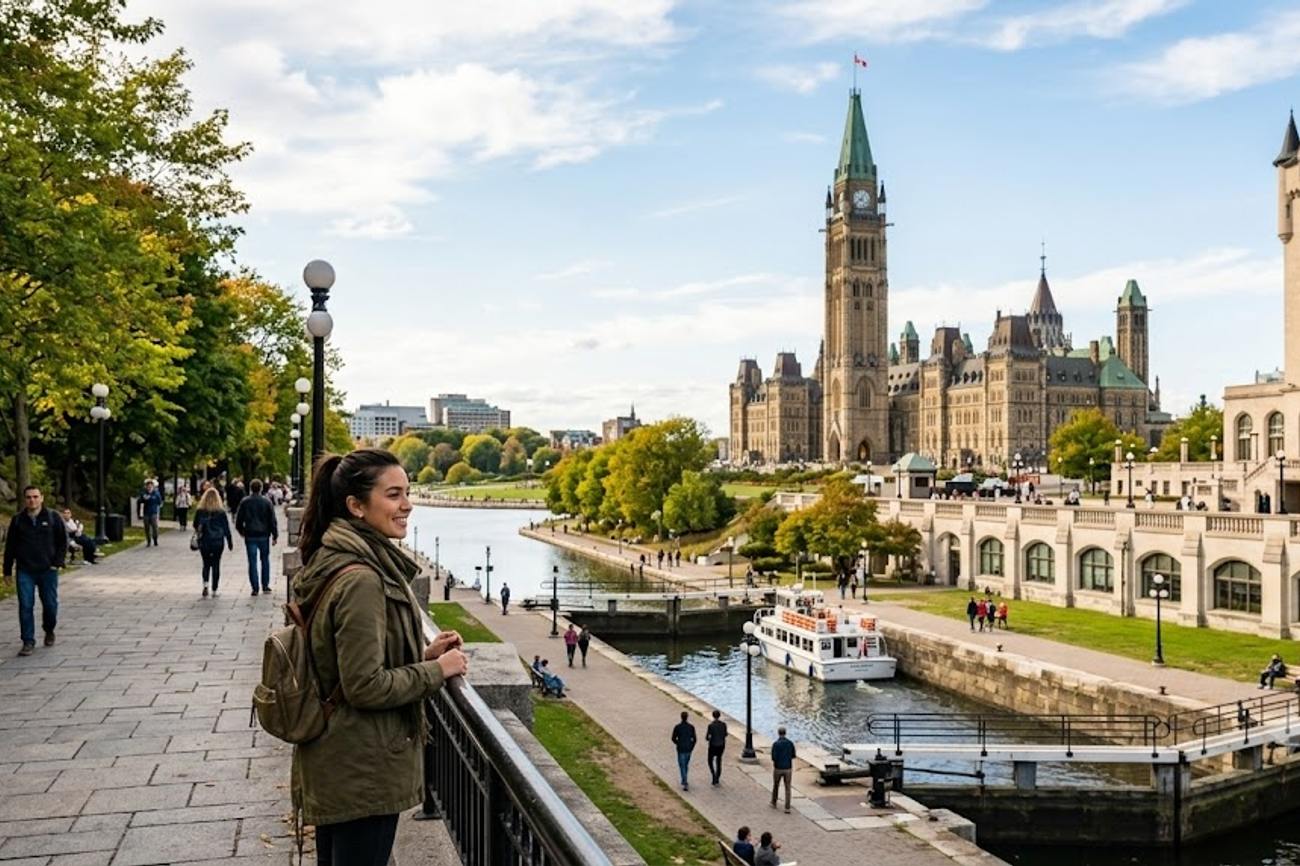
Image generated by AI
Ottawa's transition from a purely political hub to a diversified "weekend escape" destination mirrors a broader North American shift toward "micro-cationing," where short-stay urban tourism is outpacing traditional long-haul vacations. While historical data often categorized the Canadian capital as a business-centric destination, current patterns show a strategic pivot toward cultural and recreational tourism, leveraging UNESCO World Heritage assets like the Rideau Canal to drive off-peak visitation.
The Urban-Culture Pivot in Numbers
The current data indicates that Ottawa is positioning itself as a high-density experience center. The city's attraction matrix is built around three primary pillars: political heritage, national cultural institutions, and seasonal outdoor recreation. The concentration of high-value assets—specifically Parliament Hill, the National Gallery of Canada, the Canadian Museum of History, and the Canadian War Museum—creates a "cultural cluster" effect. This allows for a high volume of tourist activity within a compact geographic footprint, reducing the need for extensive transit and increasing the "per-hour" value of a visitor's stay.
From a market perspective, the Rideau Canal serves as a critical seasonal stabilizer. By transitioning from a summer waterway to one of the world's most famous winter skating destinations, Ottawa mitigates the extreme seasonality typical of Northern cities. This diversification is essential for maintaining steady occupancy rates in the hospitality sector throughout the fiscal year. According to global tourism benchmarks provided by the World Travel & Tourism Council (WTTC), cities that successfully integrate nature-based activities into urban centers see higher rates of repeat visitation and longer average stays.
Comparative Market Context: Capital City Dynamics
When comparing Ottawa to other G7 capital cities, a distinct pattern emerges. While cities like Washington D.C. or London rely heavily on massive international arrivals, Ottawa is optimizing for the "weekend escape" segment—specifically targeting regional travelers and domestic tourists. The shift toward "experience-based" tourism is evident in the promotion of the ByWard Market, which transforms a traditional shopping district into a culinary and artisan hub.
The following table illustrates the shift in Ottawa's attraction strategy, moving from static historical sightseeing to dynamic, seasonal, and interactive experiences.
| Attraction Category | Traditional Model (Static) | Emerging Model (Dynamic) | Primary Growth Driver |
|---|---|---|---|
| Political Sites | Parliament Hill Tours | Photography & Sunset Events | Social Media/Visual Content |
| Waterways | Rideau Canal Transport | Seasonal Skating & Cycling | UNESCO Heritage Branding |
| Cultural Hubs | Museum Archives | Interactive/Indigenous Exhibits | Experiential Learning |
| Commerce | Retail Shopping | ByWard Market Culinary Tours | Localism & Artisan Trends |
| Nature | City Parks | Integrated Urban-Nature Trails | Wellness & Eco-Tourism |
This evolution aligns with data from Statista regarding the rise of "slow travel" and "localism," where travelers prioritize authentic neighborhood experiences (like those found in the ByWard Market) over curated tourist traps.
What This Means for Travelers
The data suggests that Ottawa is now optimized for the "high-efficiency" traveler. Because the city's primary assets—Parliament Hill, the National Gallery, and the ByWard Market—are geographically clustered, the cost and time associated with urban navigation are significantly lower than in larger metropolises like Toronto or Vancouver.
Actionable Booking Advice:
- The Q1 Winter Window: If you are targeting the Rideau Canal skating experience, booking accommodation in the downtown core 12-16 weeks in advance is essential. The surge in "winter culture" tourism creates a supply bottleneck in the city center during peak freezing months.
- The Museum Strategy: To avoid the crowds at the Canadian Museum of History and the National Gallery of Canada, schedule visits for Tuesday through Thursday. Data on museum foot traffic typically shows a 30-40% decrease in attendance mid-week compared to weekends.
- The "Micro-Cation" Itinerary: Given the compact layout, a 48-to-72 hour window is the optimal duration for a first-time visit. A Friday evening arrival at ByWard Market, followed by a Saturday dedicated to Parliament Hill and museums, maximizes the city's value proposition without requiring extended hotel stays.
Forward Projection: The "Green Capital" Trajectory
Based on current trajectory and the integration of natural spaces like Major’s Hill Park and the Ottawa River trails into the primary tourist circuit, Ottawa is moving toward a "Green Capital" identity. We are seeing a convergence of urbanity and ecology that mirrors trends in Scandinavian capitals.
The continued investment in the Canada Aviation and Space Museum and other family-centric educational hubs indicates a strategic move to capture the "multi-generational travel" market. As families seek educational yet entertaining destinations, Ottawa's ability to blend political science, military history, and aerospace technology into a single weekend itinerary will likely increase its market share of the domestic family travel segment.
Furthermore, the reliance on the official tourism calendar suggests a move toward "event-driven tourism." By scheduling a constant rotation of music festivals and cultural celebrations, the city is creating "artificial peaks" in demand, ensuring that there is a data-backed reason for travelers to return multiple times per year rather than viewing the city as a "one-and-done" destination. This strategy is supported by IATA trends showing an increase in short-haul, purpose-driven flights for specific cultural events.
FAQ: Ottawa Urban Tourism 2024-2025
Will hotel prices increase during the winter skating season? Yes. The Rideau Canal's transformation into a skating destination creates a seasonal spike in demand. Travelers should expect a 15-25% premium on downtown hotel rates during peak winter months compared to the shoulder seasons of spring and autumn.
Is Ottawa a walkable city for tourists? Highly. The concentration of Parliament Hill, the ByWard Market, and major museums in the downtown core means that most primary attractions are accessible via walking or short-distance cycling, reducing the need for rental cars.
Which museums are best for family-oriented travel? The Canada Aviation and Space Museum is the top recommendation for families due to its interactive exhibits. The Canadian Museum of History is also highly rated for its comprehensive and accessible approach to national heritage.
When is the best time to visit for cultural events? Check the official tourism calendar, but generally, the summer and winter peaks offer the highest density of festivals. For a quieter experience with lower prices, the "shoulder" months of May and October provide a balance of accessibility and value.
Ottawa is no longer just a seat of government; it is a calculated study in urban efficiency and cultural diversification.
#OttawaTourismGrowth #CanadianCapitalTrends #RideauCanalEconomics #UrbanCultureShift2025 #NorthAmericanMicroCations #UNESCOHeritageTourism
Related Travel Guides
Disclaimer
This article is for informational and educational purposes only. It does not constitute legal, financial, or professional advice. While we strive to provide accurate and up-to-date information, travel policies, regulations, and conditions change rapidly. Always verify information with official sources before making travel decisions. Nomad Lawyer makes no representations about the accuracy, reliability, completeness, or suitability of the information provided. Readers should consult qualified professionals for advice specific to their circumstances. The views expressed in this article are those of the author and do not necessarily reflect the views of Nomad Lawyer.
Preeti Gunjan
Contributor & Community Manager
A passionate traveller and community builder. Preeti helps grow the Nomad Lawyer community, fostering engagement and bringing the reader experience to life.
Learn more about our team →