
US-Canada Border Towns Celebrate 53 Years of Cross-Border Tourism
The 53rd annual cross-border celebration highlights the resilient tourism and economic partnerships between US and Canada border towns.
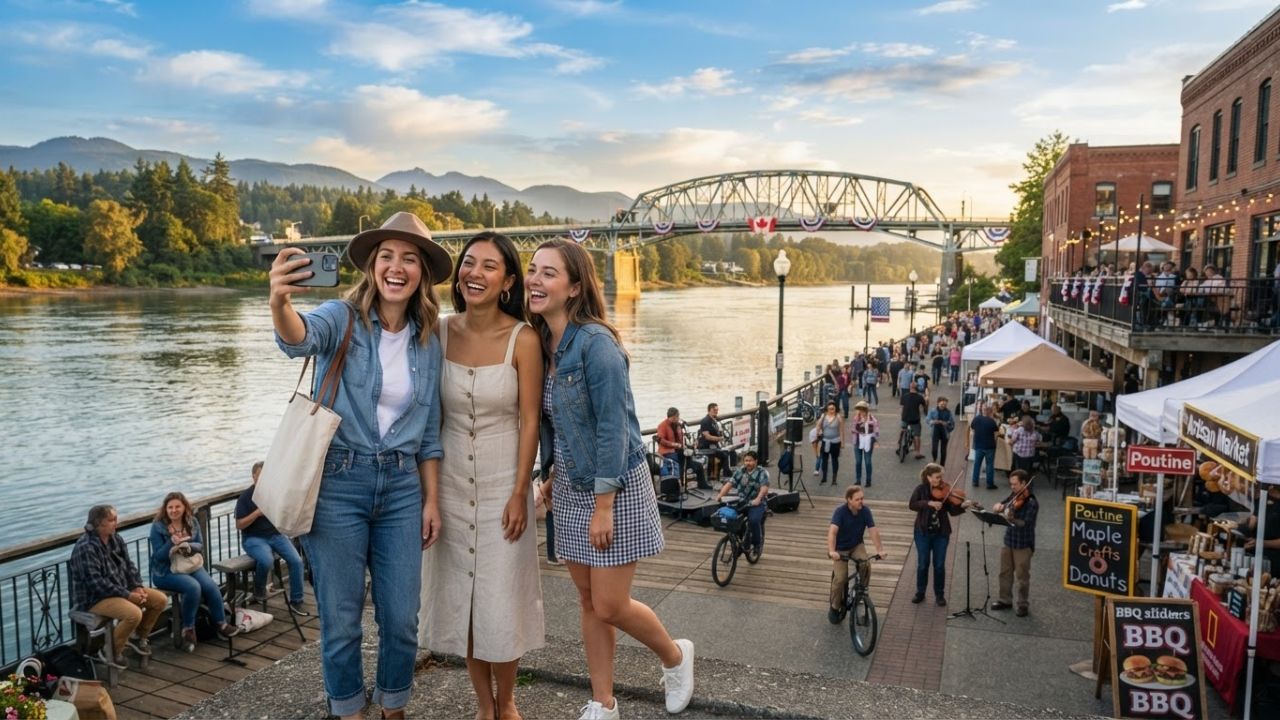
Image generated by AI
US and Canada border communities are celebrating their 53rd annual tourism partnership, highlighting the deep cultural and economic ties between the neighboring nations.
The Core Transit Update
International travel corridors and regional passenger flows are receiving renewed focus along the North American border. The 53rd edition of the annual cross-border tourism celebration is underway, highlighting the historical cooperation between border communities in the United States and Canada.
While trade debates and shifting tariff discussions have led some travelers to adjust their vacation itineraries, municipal groups are working to maintain local business alliances, family connections, and community exchanges across the international boundary.
Transit Schedule & Route Specifications
Navigating cross-border travel requires familiarity with regional gateways, border checkpoints, and highway connections. The following table provides specifications for key travel corridors between the United States and Canada.
| Cross-Border Travel Corridor | Primary US Border Gateway | Primary Canadian Gateway | Regional Highway Route | Core Tourism Activities |
|---|---|---|---|---|
| Pacific Northwest Route | Blaine, Washington | Surrey, British Columbia | Interstate 5 / Highway 99 | Coastal touring, city getaways |
| Great Lakes Corridor | Detroit, Michigan | Windsor, Ontario | Interstate 75 / Ambassador | Urban shopping, cultural events |
| Niagara Border Corridor | Buffalo, New York | Niagara Falls, Ontario | Interstate 190 / Rainbow | Waterfront parks, dining tours |
| Plains Mountain Corridor | Sweet Grass, Montana | Coutts, Alberta | Interstate 15 / Highway 4 | Nature parks, mountain driving |
Cross-border corridor data compiled in coordination with the Canada Border Services Agency and US Customs and Border Protection.
Traveler Logistics Guide
From a ground-level perspective, the best way to navigate this is to verify current queue times online using official border agency applications before choosing your gateway, as peak travel seasons and local festivals can result in significant vehicle backlogs. Preparing travel documents is recommended.
To plan your cross-border vehicle trip:
- Identification Requirements: Ensure all travelers carry valid passports, NEXUS cards, or Enhanced Driver's Licenses (EDLs) to expedite processing at checkpoint lanes.
- Border Wait Time Tracking: Consult the live wait-time updates provided by the US Customs and Border Protection (CBP) and Canada Border Services Agency (CBSA) portals.
- Declaration Regulations: Declare all agricultural products, gifts, and currency exceeding $10,000 to customs officials upon arrival at the primary inspection booth.
- NEXUS Program Usage: Frequent travelers can utilize dedicated NEXUS lanes at major crossings, which requires pre-approval and background clearances from both governments.
Infrastructure Impact Assessment
The integration of US-Canada border town networks supports regional economies by generating visitor spending in hospitality, retail, and transit sectors. Nonstop highway corridors like Interstate 5 and Interstate 190 link major metropolitan zones, allowing travelers to explore two countries within a single road trip.
By coordinating terminal gate operations and inspection clearances, border protection agencies help maintain regional connectivity, supporting the recovery of cross-border tourism.
Related Travel Guides
TUI Care Foundation Expands Costa Rica Rainforest Conservation Project
Bahamas Records Steady Growth in Inbound Arrivals and Cruise Travel
10 Best Travel Tips for US-Canada Border Crossings, According to Reddit
Disclaimer
This article is for informational and educational purposes only. It does not constitute legal, financial, or professional advice. While we strive to provide accurate and up-to-date information, travel policies, regulations, and conditions change rapidly. Always verify information with official sources before making travel decisions. Nomad Lawyer makes no representations about the accuracy, reliability, completeness, or suitability of the information provided. Readers should consult qualified professionals for advice specific to their circumstances. The views expressed in this article are those of the author and do not necessarily reflect the views of Nomad Lawyer.