
Myanmar's Ayeyawady Region Surges as a Top Southeast Asian Hub with 700,000 Tourists in Q1 2026, Driven by Asian Markets
Myanmar's Ayeyawady Region has recorded over 700,000 tourist arrivals in the first three months of 2026. Spearheaded by visitors from South Korea, China, and Thailand, the surge is driving massive airline and hospitality growth across coastal hotspots like Ngwehsaung and Chaungtha.

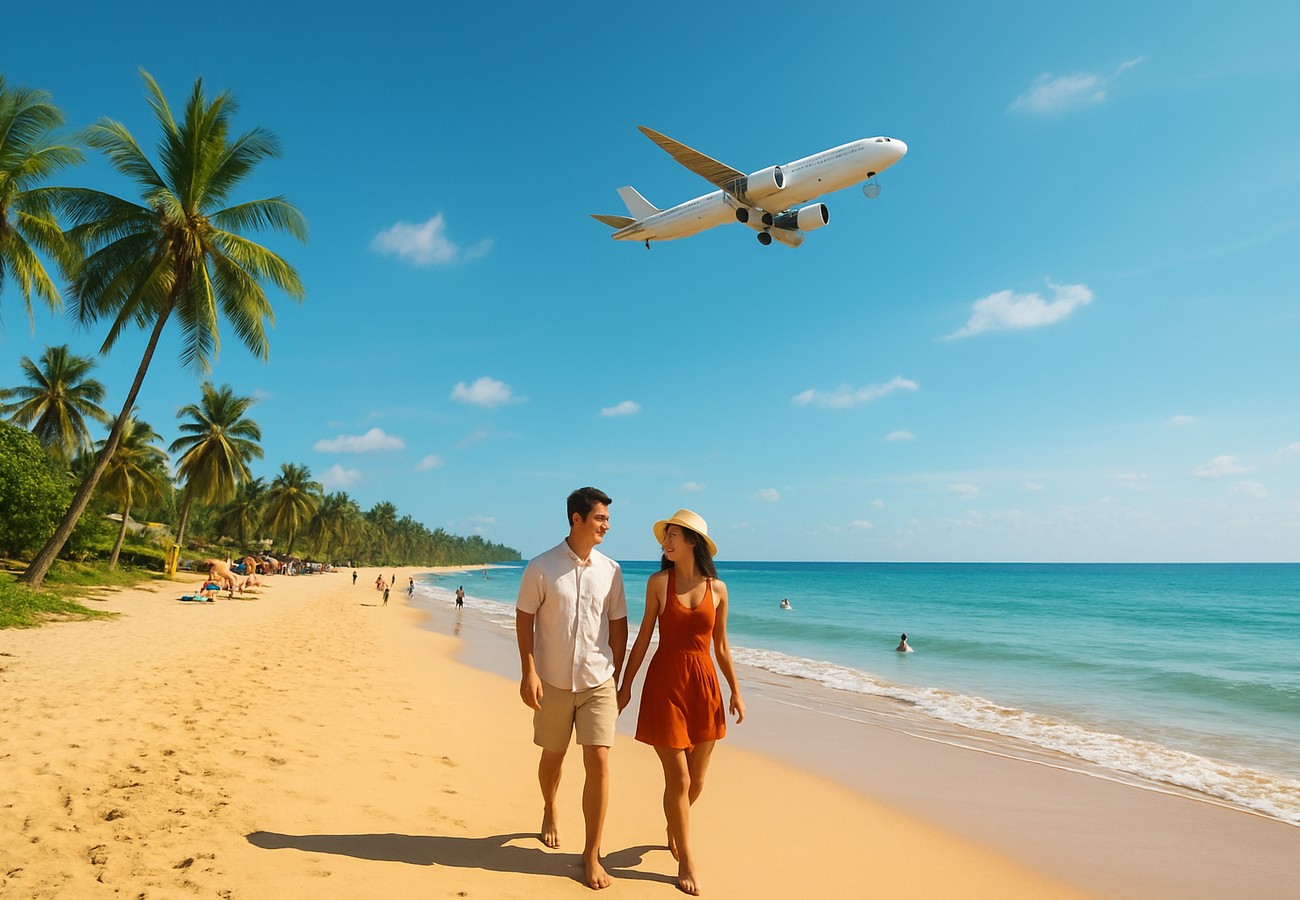
Image generated by AI
Myanmar's Ayeyawady Region Surges as a Top Southeast Asian Hub with 700,000 Tourists in Q1 2026, Driven by Asian Markets
With Direct Routes Expanding Rapidly, Visitors from South Korea, China, and Thailand Are Leading an Unprecedented Revival of Myanmar's Coastal Tourism Economy
YANGON, Myanmar — After years of global uncertainty and careful rebuilding, Myanmar’s tourism sector has roared back to life. Setting a historic pace for 2026, the stunning coastal stretch of the Ayeyawady Region has emerged as Southeast Asia’s hottest new destination. During the first three months of 2026 alone, the region welcomed an unprecedented 700,000 domestic and international visitors. Escaping the congested mega-resorts of neighboring countries, travelers are flocking to pristine waters, rich cultural heritage, and rapidly expanding eco-tourism offerings. The massive influx of foot traffic has triggered an immediate response from international airlines and the local hospitality sector, signaling a robust and highly lucrative revival of the nation's travel economy.
Quick Summary
- Visitor Surge: The Ayeyawady Region welcomed over 700,000 visitors in the first 90 days of 2026.
- Top Source Markets: South Korea, China, Thailand, Japan, and India are driving the international influx.
- Leading Destination: Ngwehsaung Beach topped the charts, drawing over 220,000 of those visitors.
- Aviation Expansion: Major carriers including Korean Air, Thai Airways, China Eastern, and LCCs like AirAsia and VietJet are expanding flights into Yangon and Mandalay.
- Hospitality Boom: The region now boasts over 5,000 hotels and guesthouses, offering 12,000+ rooms across the coast.
The Coastal Draw: Ngwehsaung, Chaungtha, and Shwethaungyan
The Ayeyawady Region's coastline possesses a largely untouched, authentic charm that is increasingly rare in mainland Southeast Asia. The tourism boom is heavily anchored around three primary coastal resort towns: Ngwehsaung, Chaungtha, and Shwethaungyan.
Ngwehsaung Beach firmly established itself as the crown jewel of the Q1 travel season, acting as a magnet for over 220,000 visitors. Unlike highly commercialized regional competitors, Ngwehsaung offers a blend of serene, palm-lined shores, high-end beachfront resorts, and boutique eco-lodges. This delicate balance of luxury and environmental preservation has strongly resonated with the Asian market.
Tourists from South Korea, in particular, are arriving in record numbers. Drawn by shared cultural affinities for Buddhism, affordable luxury travel options, and wellness retreats, South Korean travelers have become a crucial demographic for the local eco-tourism and cultural tour sectors.
Airlines Capitalize on the Rebound
You cannot move 700,000 people to a coastline without massive logistical support. The tourism boom is directly correlated with aggressive expansion by international airline operators into Myanmar’s primary gateways, Yangon International Airport and Mandalay International Airport.
Flag carriers and legacy airlines have moved swiftly:
- Korean Air has significantly ramped up its schedule, now operating multiple direct flights weekly between Seoul and Yangon.
- Thai Airways, China Eastern, and Singapore Airlines have consistently increased their route frequencies to capture the premium leisure market.
Simultaneously, the low-cost carrier (LCC) sector is democratizing access to the region. Budget giants like AirAsia and VietJet are funneling tourists not only from neighboring Asian states but also facilitating long-haul travelers connecting from Europe and the Middle East. To handle the surge, both Yangon and Mandalay airports have recently deployed critical infrastructure upgrades, including new terminals and enhanced immigration facilities, to speed up passenger processing.
A Transformational Push for Hospitality and Local Employment
The 700,000 visitors have injected vital capital into the local Ayeyawady economy. To meet the demand, the hospitality footprint has expanded aggressively. As of early 2026, the region hosts more than 5,000 hotels and guesthouses, providing over 12,000 available rooms.
The investment spans the entire financial spectrum — from budget-friendly local homestays in Chaungtha to high-end, all-inclusive luxury resorts in Shwethaungyan. Crucially, this economic stimulation is not confined to foreign investors. The surge is generating thousands of jobs for local communities, creating high demand for hotel staff, regional tour guides, and culinary workers, thereby creating a sustainable feedback loop of economic prosperity.
Essential Travel Tips for Ayeyawady in 2026
If Myanmar's coastal revival has caught your attention, here is what you need to know before booking your trip to the Ayeyawady Region:
- The Best Time to Visit: Target the dry season, which runs from November to March. This window guarantees pleasant weather, calm seas, and minimal rainfall.
- Visas and Entry: Most international travelers require a visa. The government strongly advises utilizing the e-visa online gateway at least two weeks before departure for seamless processing.
- Currency Management: The local currency is the Myanmar Kyat (MMK). While US Dollars are widely accepted at major luxury hotels and international businesses, carrying Kyat is highly recommended for smaller cultural purchases, local markets, and domestic transit.
- Getting to the Coast: While domestic flights connect the major cities, the most immersive way to reach Ngwehsaung or Chaungtha from Yangon is by private car or luxury bus, allowing you to witness the spectacular rural landscapes of the Irrawaddy Delta.
Conclusion: A Rising Star Reclaims the Spotlight
The Q1 2026 data proves that Myanmar is no longer a peripheral player in the Southeast Asian travel market. Backed by heavy infrastructure investments, airline confidence, and an irresistible natural coastline, the Ayeyawady Region is dictating modern travel trends. As travelers from South Korea, China, and Thailand continue to lead the charge, Myanmar is firmly poised to solidify its status as the region’s most compelling, high-growth destination for the remainder of the decade.
FAQ: Traveling to Myanmar's Ayeyawady Region
Q: Which beaches are the most popular in the Ayeyawady Region? A: Ngwehsaung is the region's most popular destination (drawing 220,000 visitors in Q1 2026), alongside the bustling shores of Chaungtha and the serene resort areas of Shwethaungyan.
Q: Are there direct flights to Myanmar from South Korea? A: Yes, Korean Air offers multiple direct flights per week connecting Seoul directly to Yangon, the gateway to the Ayeyawady Region.
Q: Can I use US Dollars in Myanmar? A: US Dollars are generally accepted at larger international hotels and major tour agencies, but travelers should exchange for Myanmar Kyat (MMK) for daily purchases, local dining, and transport.
Q: Are eco-friendly accommodations available on Myanmar's coast? A: Yes. The Ayeyawady hotel sector boasts over 5,000 properties, including an increasing number of eco-lodges and sustainable wellness resorts heavily clustered around Ngwehsaung and Shwethaungyan.
Disclaimer
This article is for informational and educational purposes only. It does not constitute legal, financial, or professional advice. While we strive to provide accurate and up-to-date information, travel policies, regulations, and conditions change rapidly. Always verify information with official sources before making travel decisions. Nomad Lawyer makes no representations about the accuracy, reliability, completeness, or suitability of the information provided. Readers should consult qualified professionals for advice specific to their circumstances. The views expressed in this article are those of the author and do not necessarily reflect the views of Nomad Lawyer.
Raushan Kumar
Founder & Lead Developer
Full-stack developer with 11+ years of experience and a passionate traveller. Raushan built Nomad Lawyer from the ground up with a vision to create the best travel and law experience on the web.
Learn more about our team →