
South Africa Boosts Cruise Tourism with New Terminals in Cape Town and Durban for 2026
South Africa is transforming its maritime economy by investing in purpose-built cruise terminals in Cape Town and Durban to attract record international visitor spending.

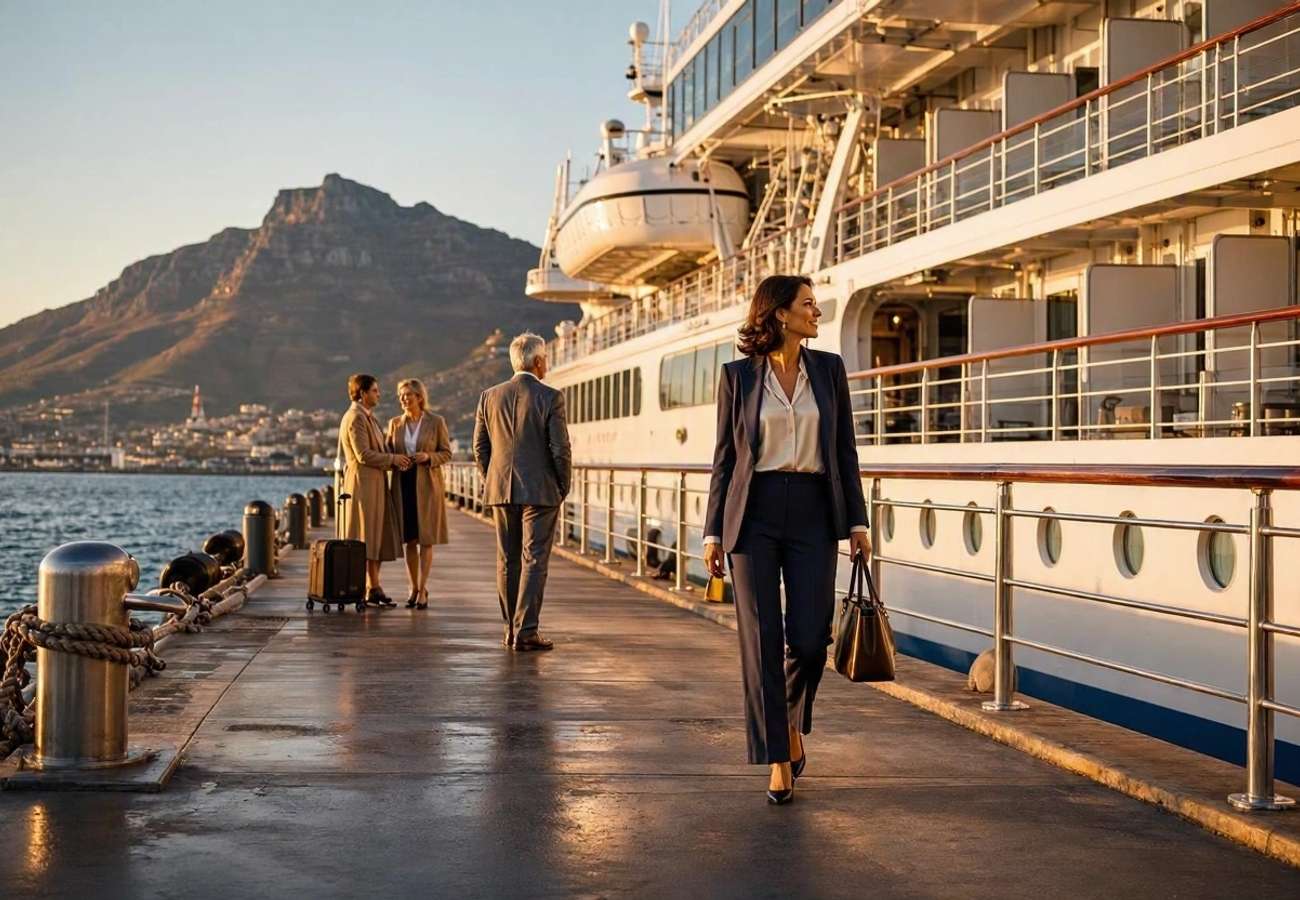
Image generated by AI
[Cape Town, October 27, 2026] — South Africa is executing a structural overhaul of its cruise tourism sector, leveraging massive infrastructure investments in Cape Town and Durban to transition from a mere transit stop to a primary global destination.
The shift is driven by the Transnet National Ports Authority (TNPA), which has pivoted away from utilizing industrial cargo docks for passenger liners. By implementing purpose-built terminals with digitized processing and integrated security, the country is now capturing significantly higher international visitor spend across its 3,000 kilometers of coastline.
The Catalyst for Maritime Growth
The surge in cruise arrivals is the result of a strategic alignment between major Atlantic and Indian Ocean hubs. Rather than treating cruise ships as secondary users of port space, South Africa has developed specialized facilities to handle international border control and high-volume retail.
This investment creates a three-tier economic multiplier:
- Direct Port Revenue: Ship operators pay for marine pilotage, tug services, berthing, and domestic fresh-produce bunkering.
- Immediate Passenger Spend: High-density foot traffic flows directly from ships into local transport, artisan markets, and luxury dining.
- Overland Integration: Strategic partnerships with domestic airlines and luxury rail networks convert short port calls into extended national vacations.
Primary South African Cruise Hubs and Capabilities
The following table outlines the specific roles and capacities of the key ports driving this expansion.
| Port | Primary Terminal | Strategic Role | Key Attraction Link |
|---|---|---|---|
| Cape Town | E-Berth (V&A Waterfront) | Atlantic Flagship / Turnaround | Cape Winelands & Table Mountain |
| Durban | Nelson Mandela Cruise Terminal | Indian Ocean Homeport | Mozambique & Drakensberg Park |
| Gqeberha | Algoa Bay Deep-Water Berths | Safari Conduit | Addo Elephant National Park |
| Richards Bay | Zululand Eco-Port | Adventure Gateway | Northern KZN Nature Reserves |
Cape Town: The Atlantic Powerhouse
The Cape Town Cruise Terminal at E-Berth is uniquely integrated into the Victoria & Alfred Waterfront, removing the need for passengers to travel from sterile industrial zones to city centers. The facility features automated baggage handling and streamlined immigration to prevent disembarkation bottlenecks.
The financial impact is substantial. According to data from the Wesgro "Cruise Cape Town" initiative, the sector has contributed over ZAR 5.7 billion to the provincial GDP over recent four-season cycles. This growth has generated ZAR 2.76 billion in direct household income and supported approximately 7,875 full-time equivalent jobs.
Durban: The Indian Ocean Gateway
On the east coast, the Nelson Mandela Cruise Terminal serves as the primary hub for domestic and regional cruising. Developed via a consortium led by MSC Cruises, this multi-story facility can process up to 4,000 passengers simultaneously.
While Cape Town focuses on global voyages, Durban operates as a homeport for summer seasons, offering round-trip itineraries to Mozambique and various Indian Ocean islands. This throughput fuels the revitalization of the Point Waterfront and the Golden Mile beachfront.
What This Means for Travelers
For passengers booking cruises in 2026, the infrastructure upgrades translate to a significantly reduced "friction" experience.
1. Faster Disembarkation: New terminals mean you are no longer waiting in cargo yards. In Cape Town, you step off the ship and directly into a premier shopping and dining district. 2. Seamless Safari Transitions: In Gqeberha (Port Elizabeth), the proximity of the berths to transport hubs allows for "cruise-to-safari" packages. You can visit Addo Elephant National Park—located 40 minutes from the quay—within a standard 8-to-12-hour port window. 3. Expanded Luxury Options: The integration with luxury rail operators like Rovos Rail allows travelers to combine a sea voyage with an interior rail safari without complex logistics.
Future Expansion and Regional Integration
The South African Department of Tourism is continuing to push for "cultural dispersal," ensuring that cruise revenue reaches beyond the ports. Efforts are underway to channel more visitors from Durban into the Valley of a 1,000 Hills and from Gqeberha into private conservation reserves like Shamwari and Kariega.
Richards Bay is also transitioning from a coal-exporting harbor into an eco-adventure destination, providing a new entry point for travelers seeking the raw nature of the Zululand coast.
FAQ: South Africa Cruise Tourism 2026
Do I need a separate visa for port calls in South Africa? Visa requirements depend on your nationality. Most passengers are processed through streamlined immigration at the new terminals in Cape Town and Durban. Check your cruise line's documentation or the official embassy website for current requirements.
Can I visit a safari park during a one-day stop in Gqeberha? Yes. Gqeberha is designed as a safari hub. Addo Elephant National Park is only 40 minutes from the port, making it feasible to complete a game drive and return to the ship within a standard port call.
Which port is better for luxury shopping and dining? Cape Town's E-Berth terminal is located inside the V&A Waterfront, offering immediate access to world-class retail and dining without requiring a shuttle or taxi.
Are the new terminals equipped for the largest cruise ships? Yes. The Nelson Mandela Cruise Terminal in Durban and the E-Berth facility in Cape Town are specifically engineered to handle mega-liners and high-volume passenger turnarounds.
South Africa has stopped being a waypoint and has officially become the destination.
Related Travel Guides
Disclaimer
This article is for informational and educational purposes only. It does not constitute legal, financial, or professional advice. While we strive to provide accurate and up-to-date information, travel policies, regulations, and conditions change rapidly. Always verify information with official sources before making travel decisions. Nomad Lawyer makes no representations about the accuracy, reliability, completeness, or suitability of the information provided. Readers should consult qualified professionals for advice specific to their circumstances. The views expressed in this article are those of the author and do not necessarily reflect the views of Nomad Lawyer.
Naina Thakur
Contributor & Travel Specialist
Travel enthusiast and legal writer covering visa regulations, responsible tourism, and cultural journeys across global destinations.
Learn more about our team →