US Birth Tourism Restrictions 2026: Executive Order 14419, B-2 Visa Scrutiny, and Legal Travel Realities

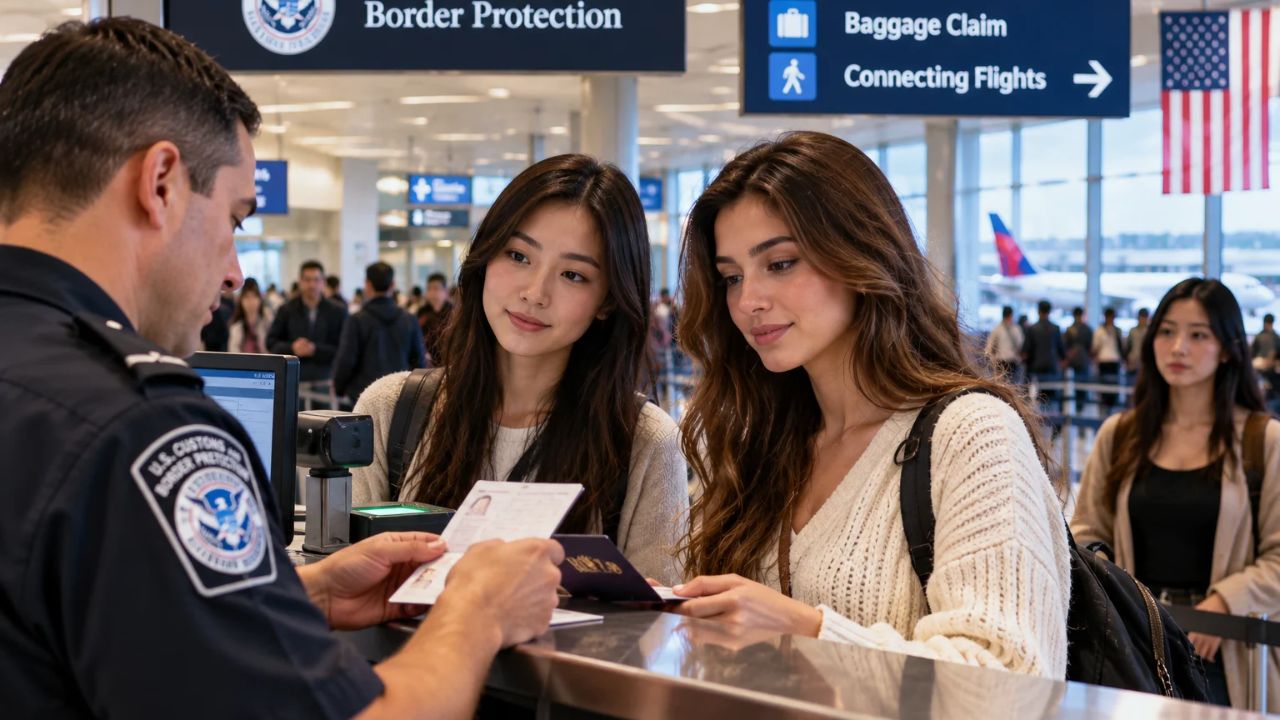
Image generated by AI
Contrary to widespread misconceptions that birth-tourism restrictions target a specific list of foreign countries, federal immigration policy under Executive Order 14419 applies universally to all foreign nationals based solely on the primary purpose of travel. Signed on August 6, 2026, the presidential directive reinforces statutory provisions first codified by the State Department on January 24, 2020, granting consular officers and border inspectors explicit authority to deny entry to individuals attempting to utilize temporary visitor visas primarily to obtain birthright citizenship.
The Federal Policy Framework Governing Visitor Travel
Under established federal immigration statutes, non-immigrant visitor visas (B-1 for business and B-2 for tourism or medical care) require applicants to demonstrate non-immigrant intent and maintain a residence abroad they have no intention of abandoning. The U.S. Department of State explicitly defines birth tourism as travel to the United States undertaken primarily to give birth so that the child automatically acquires US citizenship under the Fourteenth Amendment.
Executive Order 14419 formally delegates joint enforcement authority to the Secretary of State and the Secretary of Homeland Security. The directive mandates heightened scrutiny during consular interviews and primary port-of-entry inspections across all international gateways, while providing specific statutory waivers for verified humanitarian emergencies and vital national-interest cases.
Crucially, the regulation differentiates between unlawful visa misuse and permissible medical travel. Seeking legitimate, specialized healthcare remains fully permissible under B-2 classification. The legal threshold rests entirely on whether the primary purpose of entry is obtaining child citizenship rather than receiving pre-arranged, self-funded medical care.
Precedent and Historical Federal Enforcement
To understand the architecture of current border enforcement, federal authorities point to major multi-agency investigations prosecuted by the U.S. Department of Justice over the past decade.
In Southern California, a landmark federal indictment unsealed in January 2019 followed the execution of 35 federal search warrants across Orange, Los Angeles, and San Bernardino counties in March 2015. Federal prosecutors charged 19 individuals connected to three commercial networks that facilitated travel for thousands of foreign clients, primarily from China.
Among these operations, Irvine-based You Win USA advertised services to more than 500 clients, leasing 20 luxury apartments and charging fees ranging between $40,000 and $80,000 per traveler while receiving approximately $3 million in overseas wire transfers over two years. Its operator, Dongyuan Li, pleaded guilty in September 2019 to conspiracy to commit immigration and visa fraud. A parallel operation, USA Happy Baby Inc., maintained apartments in Rancho Cucamonga and Irvine, charging premium clients up to $100,000 and processing over $3.4 million through 14 financial accounts between 2013 and 2014.
Similarly, in December 2020, federal prosecutors in Suffolk County, New York, indicted six defendants operating seven commercial "birth houses." That network facilitated travel for pregnant Turkish nationals on tourist visas, resulting in more than 100 children acquiring citizenship while generating approximately $750,000 in commercial fees and causing over $2.1 million in fraudulently claimed Medicaid hospital benefits.
While these high-profile prosecutions centered on operations catering to Chinese and Turkish nationals, federal authorities emphasize that neither the 2020 visa rule nor Executive Order 14419 establishes a nationality-specific blacklist. Port-of-entry inspections at gateways in Los Angeles, New York, Miami, Houston, and Phoenix apply identical statutory standards regardless of passport origin.
Visitor Insider Tips
For legitimate international travelers, expectant parents, and medical tourists navigating US consular interviews and port-of-entry inspections, strict adherence to disclosure protocols is essential.
- Differentiating Medical Travel from Visa Misuse: If entering the United States for specialized prenatal or maternal healthcare, clearly declare medical treatment on your DS-160 application. Present formal medical documentation from licensed US physicians detailing the treatment plan, expected duration, and total anticipated costs.
- Evidence of Independent Financial Solvency: Consular officers and U.S. Customs and Border Protection officers evaluate an applicant's ability to cover all healthcare, accommodation, and living expenses without relying on public assistance. Carry bank statements, prepaid hospital agreements, and proof of comprehensive international medical insurance.
- Documentation of Unbroken Ties Abroad: Be prepared to demonstrate compelling economic, familial, and professional ties to your home country. This includes property deeds, ongoing business contracts, return flight itineraries, and verified employment letters demonstrating temporary travel.
- Absolute Transparency During CBP Inspection: Never misrepresent travel intentions, accommodation addresses, or medical conditions to a border protection officer. Making fraudulent statements during an entry interview carries severe statutory penalties, including immediate expedited removal and lifetime entry bans.
- Understanding Port-of-Entry Authority: A valid US visa stamp in a passport does not guarantee entry; it merely permits a traveler to present themselves at an official port of entry. The final determination of admissibility rests solely with the inspecting CBP officer.
US Visitor Visa and Birth Tourism Regulatory Matrix
| Regulatory Measure | Governing Authority | Effective / Implementation Date | Core Statutory Focus | Key Travel Exceptions |
|---|---|---|---|---|
| B-1/B-2 Consular Rule | U.S. Department of State | January 24, 2020 | Mandatory denial if primary travel purpose is birth citizenship | Pre-scheduled, self-funded medical care |
| Executive Order 14419 | Executive Office / DHS / DOS | August 6, 2026 | Nationwide inter-agency entry screening & visa enforcement | Humanitarian emergencies & national interest |
| DOJ Anti-Fraud Prosecution | U.S. Department of Justice | Continuous Federal Enforcement | Criminal charges for conspiracy, visa fraud, and tax evasion | None (criminal enterprise prosecution) |
| CBP Port Admissibility | Customs & Border Protection | Active at All US Ports | On-site screening of traveler intent, funds, and documentation | Admissible non-immigrant purpose verification |
Cultural and Legal Realities of Non-Immigrant Travel
The tightening of entry protocols highlights the distinction between discretionary leisure travel and lawful immigration procedures. While international tourism drives substantial economic activity across American cities, federal oversight prioritizes immigration integrity and the financial stability of public healthcare infrastructure.
Travelers who comply fully with non-immigrant visa terms—booking verified hotels, touring cultural sites, and respecting stated departure dates—continue to experience standard entry processing. By understanding the specific legal boundaries established under Executive Order 14419, international visitors can plan legitimate holidays and medical journeys with complete legal clarity.
FAQ: US Travel and Visa Compliance in 2026
Does Executive Order 14419 ban pregnant women from visiting the United States?
No. Pregnancy alone does not disqualify a traveler from visiting the United States on a B-2 visa, provided the primary trip purpose is legitimate tourism or approved, self-funded medical treatment.
Is there a specific list of countries targeted by birth-tourism restrictions?
No. The policy is entirely nationality-neutral and applies uniformly to all foreign travelers based on the verified intent and purpose of their journey.
What documentation is required for legitimate medical travel to the US?
Travelers must present a formal diagnosis from a local physician, an acceptance letter from a US medical provider detailing costs and duration, and proof of independent financial solvency to pay all expenses.
Can a tourist utilize US public assistance or Medicaid for childbirth?
No. Non-immigrant visitors who fraudulently utilize state or federal Medicaid programs face severe criminal prosecution, financial restitution orders, and permanent immigration inadmissibility.
Transparent travel intentions and strict adherence to visa conditions remain the foundation of an effortless international journey.
Related Travel Guides
Canada Ebola Travel Limits Uganda South Sudan DRC Transit Guide 2026
USA Travel Authentic Experiences Experiential Tourism Trends 2026
The 10 Best Legal and Consular Preparation Tips for US Travel, According To Reddit
This article is for informational purposes. Flight routes, passenger regulations, visa rules, and transit advisories are subject to change by airlines and aviation authorities. Readers are advised to verify schedules and travel documentation with relevant carriers and border agencies before departure.
Related Stories

Finnish Immigration Service Issues Guidance on 100-Day D Visa Applications for Five International Applicant Groups

Canada Issues New Travel Advisory Warning Visa Applicants of Strict 5-Year Entry Ban for Document Fraud and Misrepresentation