USA Travel Trend 2026: Why Authentic Experiences and Peer Reviews Are Redefining American Tourism


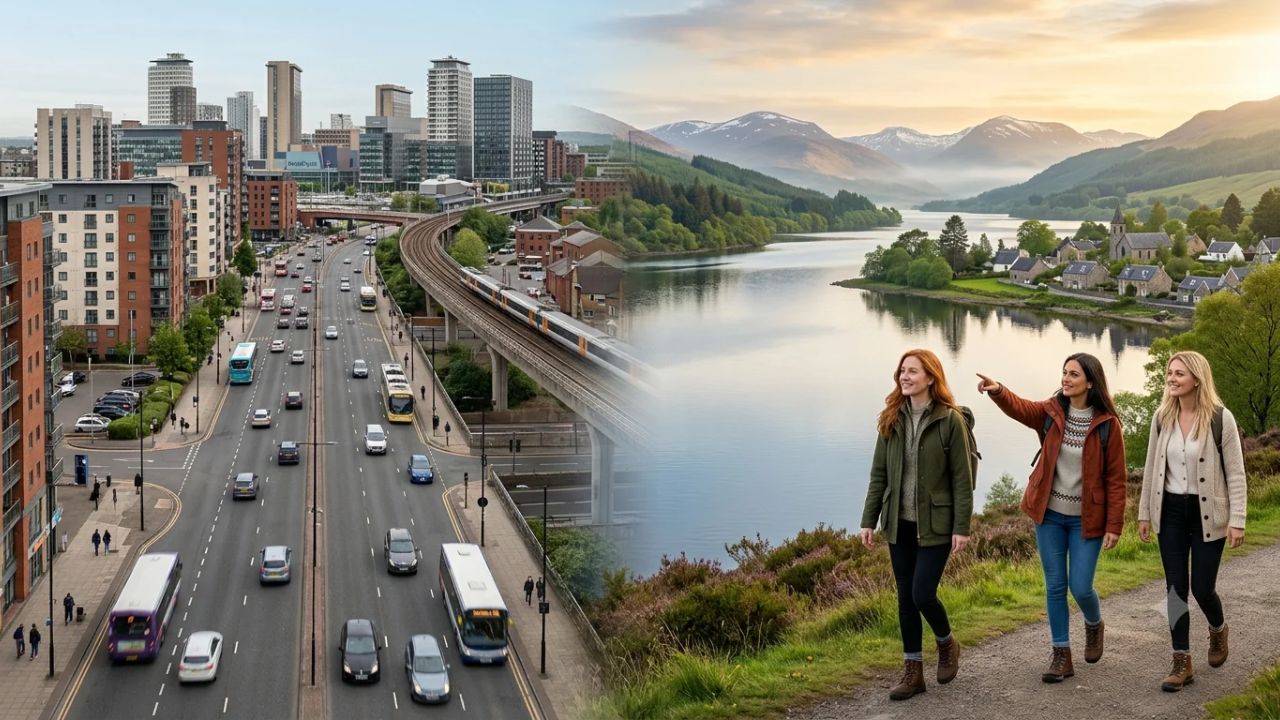
Image generated by AI
More than 70% of independent travelers now build their United States itineraries around verified peer reviews and authentic community-led experiences rather than traditional promotional guidebooks. As traveler expectations pivot away from passive sightseeing toward immersion, national parks, cultural heritage centers, and neighborhood culinary districts across North America are seeing an unprecedented influx of visitors seeking genuine connection.
Experiential Tourism Reshaping the American Journey
Travel throughout the United States is undergoing a fundamental transformation. Rather than checking off famous landmarks in rapid succession, modern travelers prioritize immersive regional encounters, verified guest recommendations, and community-rooted storytelling. Platforms like Tripadvisor have accelerated this transition, giving independent operators and regional preserves equal footing alongside iconic urban attractions.
The shift toward review-backed, experiential travel directly influences route planning and length of stay. Independent travelers are lingering longer in gateway towns, investing in specialized local guides, and venturing into lesser-traveled corridors adjacent to world-famous destinations. Across the country, tourism boards and independent operators are responding by developing hands-on cultural workshops, small-batch culinary trails, and ranger-led backcountry outings that deliver genuine depth.
What Makes the United States Regional Experience Unique
The geographic and cultural variety of the United States offers travelers distinct regional micro-climates, indigenous histories, and culinary traditions spanning thousands of miles. From the granite domes of California to the high-desert plateaus of Arizona and the Atlantic coastlines of Florida, each region maintains its own distinct travel rhythm.
In the American West, conservation landmarks protected by the National Park Service provide access to intact ecosystems. Destinations such as Yellowstone, Yosemite, Grand Canyon, and Great Smoky Mountains National Park represent centuries of ecological preservation. In contrast, urban centers like New York, Chicago, San Francisco, Los Angeles, and Miami serve as living cultural hubs where historic architecture, immigrant foodways, world-class theater, and neighborhood arts intersect.
Connecting these urban corridors with rural landscapes creates a travel dynamic found in few other places. A traveler can spend morning hours exploring neighborhood markets in a major metropolis and arrive by afternoon in a pristine wilderness basin or historic desert trading post.
Visitor Insider Tips
Navigating diverse American regions requires strategic planning, respect for regional customs, and local knowledge to maximize your journey while avoiding severe congestion.
- Timed-Entry Reservations and Shoulder Windows: Major national parks and high-demand urban cultural institutions require advance vehicle or entry reservations during peak months (June through August). Visit during the shoulder seasons of late April to May or September through October for pleasant weather, active wildlife, and significantly lower trail densities.
- Backcountry and Trail Etiquette: When exploring public lands, adhere strictly to Leave No Trace principles. Carry adequate water in arid zones like Arizona, secure scented items in bear-proof containers throughout the Northern Rockies, and remain at least 100 yards from apex predators and 25 yards from all other wildlife.
- Regional Culinary Exploration: Look past tourist-heavy restaurant strips in favor of neighborhood food halls, immigrant enclave eateries, and roadside smokehouses. Experience regional staples: Sonoran hot dogs in the Southwest, low-country boils across the Southeast, sourdough bakeries in Northern California, and historic delicatessens in New York.
- Public Transit vs. Vehicle Rentals: While subways and light rail systems provide efficient transit in dense metropolitan centers like New York, Chicago, and San Francisco, traversing national parks and rural corridors demands a reliable rental vehicle. Reserve rental cars months ahead when visiting peak mountain and desert gateways.
- Tipping Norms and Service Etiquette: Tipping between 18% and 22% for sit-down dining services, 10% to 15% for taxi or rideshare drivers, and $2 to $5 per bag for hotel luggage handling remains customary throughout the country.
Regional Travel Infrastructure and Experience Breakdown
| Travel Corridor | Primary Attractions | Ideal Visiting Season | Recommended Transit Mode | Average Stay Duration |
|---|---|---|---|---|
| Pacific Coast & Sierra Nevada | Yosemite, Coastal Highway 1, San Francisco | May–June, September–October | Road trip rental car / regional rail | 7–10 Days |
| Desert Southwest | Grand Canyon, Sedona, Sonoran Desert | October–April | High-clearance vehicle / guided shuttle | 5–8 Days |
| Northern Rockies | Yellowstone, Grand Teton, backcountry valleys | June–September | Private vehicle rental | 6–9 Days |
| Eastern Seaboard & Appalachia | Great Smoky Mountains, New York cultural hubs | April–May, September–November | Passenger rail (Amtrak) & regional car | 7–12 Days |
| Southeastern Coast | Florida keys, historic coastal ports, Miami | November–April | Regional flight & rental vehicle | 5–7 Days |
Cultural and Environmental Context
The rise of experience-driven travel brings significant economic benefits to regional communities while demanding mindful stewardship from visitors. Overcrowding in fragile ecosystems has prompted federal agencies and local conservation bodies to introduce managed-access systems designed to protect sensitive flora, fauna, and indigenous cultural artifacts.
Official resources curated by Brand USA and the UNESCO World Heritage Centre emphasize destination stewardship. Supporting tribal tourism initiatives, purchasing goods directly from local artisans, and staying at locally owned lodges ensures tourism revenue directly benefits local residents. Balancing active outdoor exploration with cultural preservation remains the foundation for sustainable tourism across the continent.
FAQ: Visiting the United States in 2026
What is the best time of year to visit US national parks?
Late spring (May to early June) and early autumn (September to October) offer ideal weather, active wildlife, and fewer crowds compared to peak summer months.
Do international visitors need an advance visa or travel authorization?
Citizens from Visa Waiver Program countries must obtain an approved Electronic System for Travel Authorization (ESTA) prior to boarding. Other travelers require a standard B1/B2 tourist visa.
How should travelers get between major cities and outdoor parks?
Metropolitan cities have reliable train and transit links, but traveling to national parks, coastal trails, and desert regions requires booking a rental vehicle or regional tour shuttle.
Is it necessary to book park permits and experiences in advance?
Yes. High-demand parks including Yellowstone, Yosemite, and Grand Canyon, along with popular urban museum exhibits, frequently require timed-entry permits or advance reservations months ahead.
True exploration across America begins the moment you trade the generic tour bus for local recommendations and untracked regional trails.
Related Travel Guides
Devils Tower 120th Anniversary Wyoming First National Monument 2026
Climate Change Global Travel Coolcation Transit Guide 2026
The 10 Best Hidden National Park Trails in the American West, According To Reddit
This article is for informational purposes. Flight routes, passenger regulations, visa rules, and transit advisories are subject to change by airlines and aviation authorities. Readers are advised to verify schedules and travel documentation with relevant carriers and border agencies before departure.
Related Stories

Global Gastronomic Tourism Sector Forecast to Surge to $143 Billion by 2032: Asian Flavors, Wellness, and Sustainable Food Systems
81.5 Million Americans to Travel for Thanksgiving 2026 Despite Record Gasoline Prices and Airfare Surges