
Conservation Trails: Uruguay Launches New Marine Wildlife Tourism Route
Uruguay opens the Ruta de la Fauna Marina along its Atlantic coast, connecting Maldonado and Rocha during the southern right whale season.

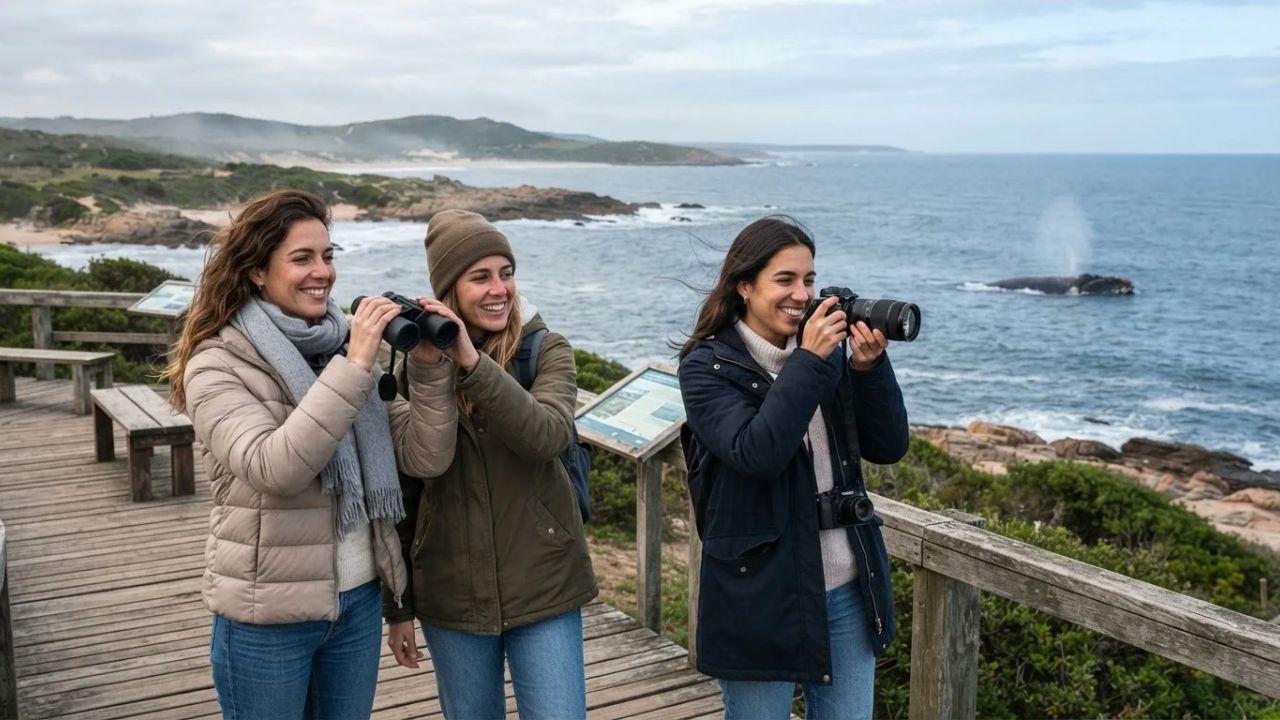
Image generated by AI
Uruguay has launched a new marine wildlife route along its Atlantic coast, featuring ten interpretive signs extending from Maldonado to Rocha. While Rocha faces a 23.4 percent decline in average visitor stay length, the wildlife corridor aims to boost off-season tourism during the southern right whale migration season.
Land-Based Wildlife Spotting on the Atlantic Coast
A growing trend in global eco-tourism is the development of land-based wildlife observation networks. Rather than relying exclusively on boat excursions that can disturb marine life, destinations are installing coastal platforms, elevated viewpoints, and educational signs to guide shore-bound travelers. This slow-tourism approach lets visitors track marine migration, study local biodiversity, and support coastal communities without creating acoustic or physical interference in marine sanctuaries.
Uruguay’s new route connects points along its eastern coast, offering structured stopping locations for travelers seeking nature, photography, and conservation-focused itineraries during the austral winter and spring.
The Structure of the Ruta de la Fauna Marina
The new marine wildlife route introduces dedicated interpretive infrastructure along the shoreline:
- Launch Date: The route was officially enabled on July 31, 2026, marking the start of the southern right whale observation season.
- Geographic Scope: The path features ten interpretive signs distributed from Solís in Maldonado to La Coronilla in Rocha, covering key points along the Atlantic coast.
- Species Interpretation: The signs provide information on the species associated with the surrounding coastal waters—including southern right whales, orcas, dolphins, marine turtles, sea lions, and coastal birds—noting probability levels, seasons, and conservation status.
- Infrastructure Additions: Future updates will introduce digital access through QR codes and marine-resistant seating at observation points.
Key Bases in Rocha: La Paloma and La Coronilla
Rocha features several key hubs along the new marine network:
- La Paloma: The Rocha segment of the route was presented at Casa del Mar in La Paloma on August 10, 2026. Recognized viewpoints include the Cola de Ballena platform at El Cabito, the Cristo de Lucho site at Los Botes, and the elevated Cerro de la Virgen observation point situated between La Aguada and Costa Azul.
- La Coronilla and Cerro Verde: Located at the northern end of the route, the Cerro Verde protected area features wooden viewpoints situated at an elevation of 15 meters. Visitors can spot green turtles, dolphins, sea lions, and whales.
Rocha's coastline features approximately 180 kilometers of ocean beaches, offering numerous land-based viewing options.
Receptive Tourism Trends: Q2 2026 Statistics
The launch of the route coincides with changing performance indicators for the region. The tables below break down the latest receptive tourism data for Costa de Rocha and compare it to Uruguay's national indicators:
Costa de Rocha Receptive Tourism Indicators
| Performance Indicator | Q2 2025 Value | Q2 2026 Value | Percentage Change |
|---|---|---|---|
| Receptive Visitors | 15,945 travelers | 13,041 travelers | -18.2% |
| Average Stay Length | 11.5 days | 8.8 days | -23.4% |
| Total Tourist Spending | US$ 12.23 Million | US$ 8.24 Million | -32.6% |
| Expenditure Per Visitor | US$ 767.00 | US$ 631.70 | -17.6% |
| Daily Spend Per Visitor | US$ 66.60 | US$ 71.60 | +7.5% |
National vs. Costa de Rocha Year-on-Year Change (Q2 2026)
| Region / Destination | Receptive Visitors | Average Stay | Total Expenditure | Spend Per Visitor | Daily Spending |
|---|---|---|---|---|---|
| Uruguay Overall | -8.2% | +10.9% | +12.4% | +22.5% | +10.5% |
| Costa de Rocha | -18.2% | -23.4% | -32.6% | -17.6% | +7.5% |
These figures reflect international arrivals listing Rocha as their primary destination and do not include domestic travelers. While overall stays in Rocha have shortened, daily tourist spending has remained positive.
National Sanctuary Laws and Whale Protection Regulations
Uruguay regulates marine tourism through strict environmental laws designed to protect marine biodiversity:
- Southern Right Whales: These migrating cetaceans can reach approximately 16 meters in length and weigh up to 40 tonnes, utilizing coastal waters for reproduction and social behavior.
- Decree 261/002: Regulates commercial cetacean observation during the June-to-November reproductive period, limiting operations to a maximum of three vessels in an area and establishing approach distances. Swimming with or feeding cetaceans is prohibited.
- Law 19.128: Passed in 2013, this law declared Uruguay’s territorial sea and exclusive economic zone a Whale and Dolphin Sanctuary, prohibiting hunting, persecution, or intentional harmful disturbance of marine mammals.
Environmental Management and Local Economic Support
For the visitor, the real impact of utilizing land-based observation platforms is the complete elimination of acoustic stress on migrating southern right whales. Shore-based spotting avoids engine noise, letting mothers and calves rest in shallow coastal bays.
Additionally, directing off-season nature travelers to coastal towns like La Paloma and La Coronilla disperses tourist spending into local economies. Buying meals at family-run eateries, hiring local guides, and using municipal transport helps sustain local service workers outside the summer beach season, keeping tourism revenue within Rocha.
For example, you can explore the changing dynamics of Sanctuary: Colombia's Chocó Region Draws Travelers for Whale Meditation to see how wellness retreats connect with marine conservation. For budget-conscious travelers, aligning slow city travel with municipal transit options mirrors similar regional initiatives, such as the Free Admission at Select US State Parks programs. This trend is similar to the tourism growth seen in other destinations, as detailed in our guide on how Utica, New York Emerges as an Affordable Northeast Tourism Hub.
Visitor Insider Tips: Wildlife Watching in Rocha
If you are planning to travel along the new marine route, keep these practical tips in mind:
- Look for Whales in Low-Wind Conditions: The best time for land-based observation is during the early morning or late afternoon on calm days when water surface movement is low.
- Pack a Pair of Quality Binoculars: Because observation points are located on shore, carrying binoculars or a zoom lens is necessary to view whale pods clearly.
- Monitor the Whale Migration Period: Plan your trip between July and October (austral winter and spring) to align with the southern right whale migration.
- Explore Multiple Viewpoints: Travel along the 180-kilometer coastline to experience different environments, combining the dunes of Cerro Verde with the platforms at La Paloma.
- Taste Local Gastronomic Specialties: Support small businesses by trying local dishes, such as seaweed fritters (buñuelos de algas), at family-run restaurants in Rocha's coastal villages.
Long-Term Outlook for Coastal Tourism in Uruguay
The long-term outlook for Uruguayan coastal tourism focuses on the expansion of land-based observation infrastructure, seasonal shuttle buses, and community-led conservation programs. As travelers seek sustainable nature experiences, the marine route will continue to support the region's off-season economy.
By integrating educational resources and protecting marine sanctuaries, Uruguay aims to preserve the Atlantic biodiversity that makes its coastline a premier eco-tourism destination.
FAQ
When is the southern right whale season in Uruguay?
The viewing season runs from July through October, during the austral winter and early spring.
Where is the new marine wildlife route located?
The Ruta de la Fauna Marina features ten interpretive signs extending from Solís in Maldonado to La Coronilla in Rocha.
What are the main whale watching sites in La Paloma?
Key viewpoints include the Cola de Ballena at El Cabito, the Cristo de Lucho at Los Botes, and the Cerro de la Virgen platform.
Are there laws protecting cetaceans in Uruguay?
Yes. Law 19.128 declares the territorial sea a Whale and Dolphin Sanctuary, and Decree 261/002 regulates commercial vessel interactions.
Stay updated on the sustainable tourism projects and coastal developments shaping South American travel.
Related Travel Guides
Disclaimer
This article is for informational and educational purposes only. It does not constitute legal, financial, or professional advice. While we strive to provide accurate and up-to-date information, travel policies, regulations, and conditions change rapidly. Always verify information with official sources before making travel decisions. Nomad Lawyer makes no representations about the accuracy, reliability, completeness, or suitability of the information provided. Readers should consult qualified professionals for advice specific to their circumstances. The views expressed in this article are those of the author and do not necessarily reflect the views of Nomad Lawyer.
Raushan Kumar
Founder & Lead Developer
Full-stack developer with 11+ years of experience and a passionate traveller. Raushan built Nomad Lawyer from the ground up with a vision to create the best travel and law experience on the web.
Learn more about our team →