
United Airlines Faces Backlash After 71-Year-Old Passenger Alleges Oxygen Deprivation and $150 Credit Offer in 2026
A 71-year-old passenger alleges United Airlines removed his supplemental oxygen during a medical crisis, later offering a $150 travel credit that has sparked widespread outrage over elderly passenger care.

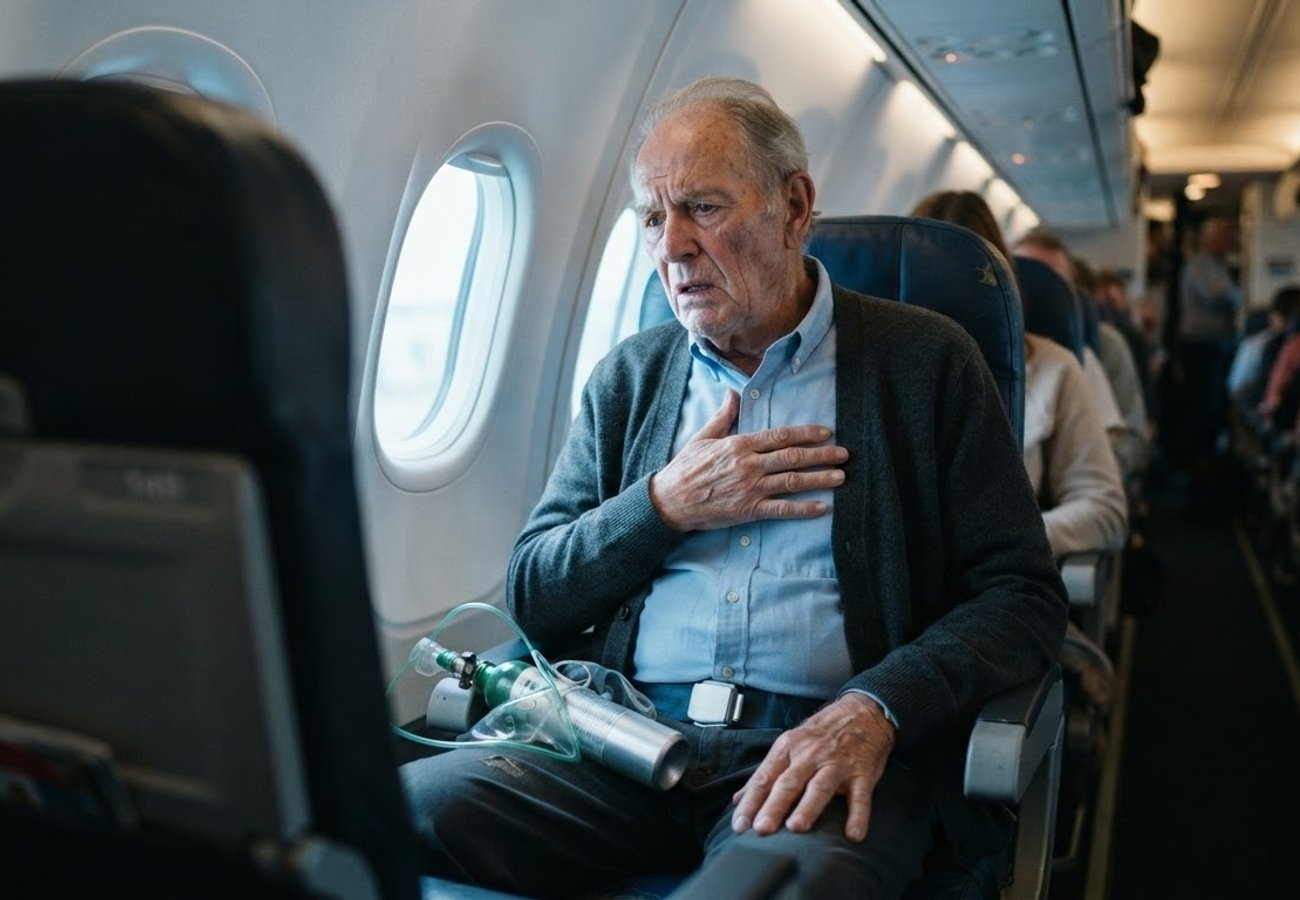
Image generated by AI
A 71-year-old passenger alleges United Airlines left him struggling to breathe after removing supplemental oxygen mid-flight, only to later offer a $150 travel credit as compensation.
The incident has ignited a fierce debate regarding the intersection of rigid airline protocols and the basic medical needs of an aging global traveler population. What began as a medical scare at 35,000 feet has evolved into a case study on the perceived gap between corporate policy and passenger compassion.
The Medical Dispute Mid-Flight
According to reports, the 71-year-old traveler began experiencing significant breathing difficulties during a United Airlines flight. While cabin crew initially responded by providing a portable oxygen bottle, the passenger alleges that the equipment was removed prematurely despite his continued distress. He claims that repeated requests for continued access to oxygen were ignored, leaving him vulnerable for a significant portion of the journey.
This situation highlights a critical tension in aviation: the management of limited medical resources. Cabin crews are trained to coordinate with ground-based medical support and manage oxygen supplies strictly. However, for the visitor, the real impact is the feeling of abandonment when symptoms are chronic or fluctuating rather than an acute, dramatic emergency.
Compensation Conflict: Policy vs. Proportion
The fallout intensified when the passenger sought redress through United’s customer care. The airline reportedly offered a $150 travel credit—a figure typically reserved for minor service failures, such as seating downgrades or schedule disruptions.
For many in the travel community, this offer is seen as an insult given the potential gravity of respiratory distress. While airlines maintain that "goodwill credits" are voluntary and not admissions of liability, the mismatch between a life-threatening experience and a nominal voucher has fueled accusations of opaque and dismissive customer service practices.
The Shift in Passenger Demographics
This dispute occurs as a larger trend emerges: a surge in retirees flying longer, more demanding international routes. As the "silver economy" grows, the physical demands of air travel—including lower cabin pressure and dry air—become more taxing for those with heart or lung conditions.
Regional conservation bodies and passenger-rights organizations argue that baseline legal requirements are no longer sufficient. There is a growing demand for:
- Lower Thresholds for Care: Providing supplemental oxygen based on passenger reports of distress, even if vital signs appear stable.
- Enhanced Training: Moving beyond basic first aid to specialized care for the elderly and medically fragile.
- Transparent Reporting: Clearer public guidelines on when a flight will be diverted for a medical emergency.
Visitor Insider Tips for Medically Vulnerable Travelers
For those traveling with respiratory or cardiac conditions, relying solely on airline equipment is a risk. Here are professional recommendations for safer transit:
- Portable Oxygen Concentrators (POCs): Always travel with your own FAA-approved POC. Airlines are more likely to accommodate a device you own and operate than to provide extended use of their limited emergency supplies.
- The "Medical Necessity" Letter: Carry a signed letter from your physician explicitly stating the need for supplemental oxygen. Present this during check-in to ensure the crew is aware of your status before takeoff.
- Off-Peak Booking: To reduce stress and ensure more attentive service, book flights during mid-week, off-peak windows. Overcrowded flights often lead to crews prioritizing operational efficiency over individual patient care.
- Hydration and Humidity: Use a saline nasal spray and drink double the usual amount of water to combat the drying effects of cabin air, which can exacerbate respiratory distress.
Tourism Outlook and Industry Impact
The long-term impact of such incidents is a gradual erosion of brand trust among the wealthiest traveling demographic: retirees. If major carriers continue to treat medical grievances as mere "inconveniences" solvable with small vouchers, they risk alienating a loyal customer base.
Industry analysts suggest that the future of aviation safety will be measured not just by mechanical reliability, but by the "humanity" of the cabin experience. We expect to see a shift toward more prescriptive reporting requirements for in-flight medical events, potentially mandated by regional aviation authorities to ensure accountability.
The balance between operational efficiency and passenger dignity remains the most volatile flight path in modern aviation.
Related Travel Guides
Disclaimer
This article is for informational and educational purposes only. It does not constitute legal, financial, or professional advice. While we strive to provide accurate and up-to-date information, travel policies, regulations, and conditions change rapidly. Always verify information with official sources before making travel decisions. Nomad Lawyer makes no representations about the accuracy, reliability, completeness, or suitability of the information provided. Readers should consult qualified professionals for advice specific to their circumstances. The views expressed in this article are those of the author and do not necessarily reflect the views of Nomad Lawyer.
Raushan Kumar
Founder & Lead Developer
Full-stack developer with 11+ years of experience and a passionate traveller. Raushan built Nomad Lawyer from the ground up with a vision to create the best travel and law experience on the web.
Learn more about our team →