
United Airlines Flight 881 Continues to Tokyo Haneda Airport After Passenger Death Mid-Flight 2026
United Airlines completed a long-haul service from Chicago to Tokyo Haneda Airport with a deceased passenger onboard after deciding not to divert the aircraft despite the incident occurring early in the flight.

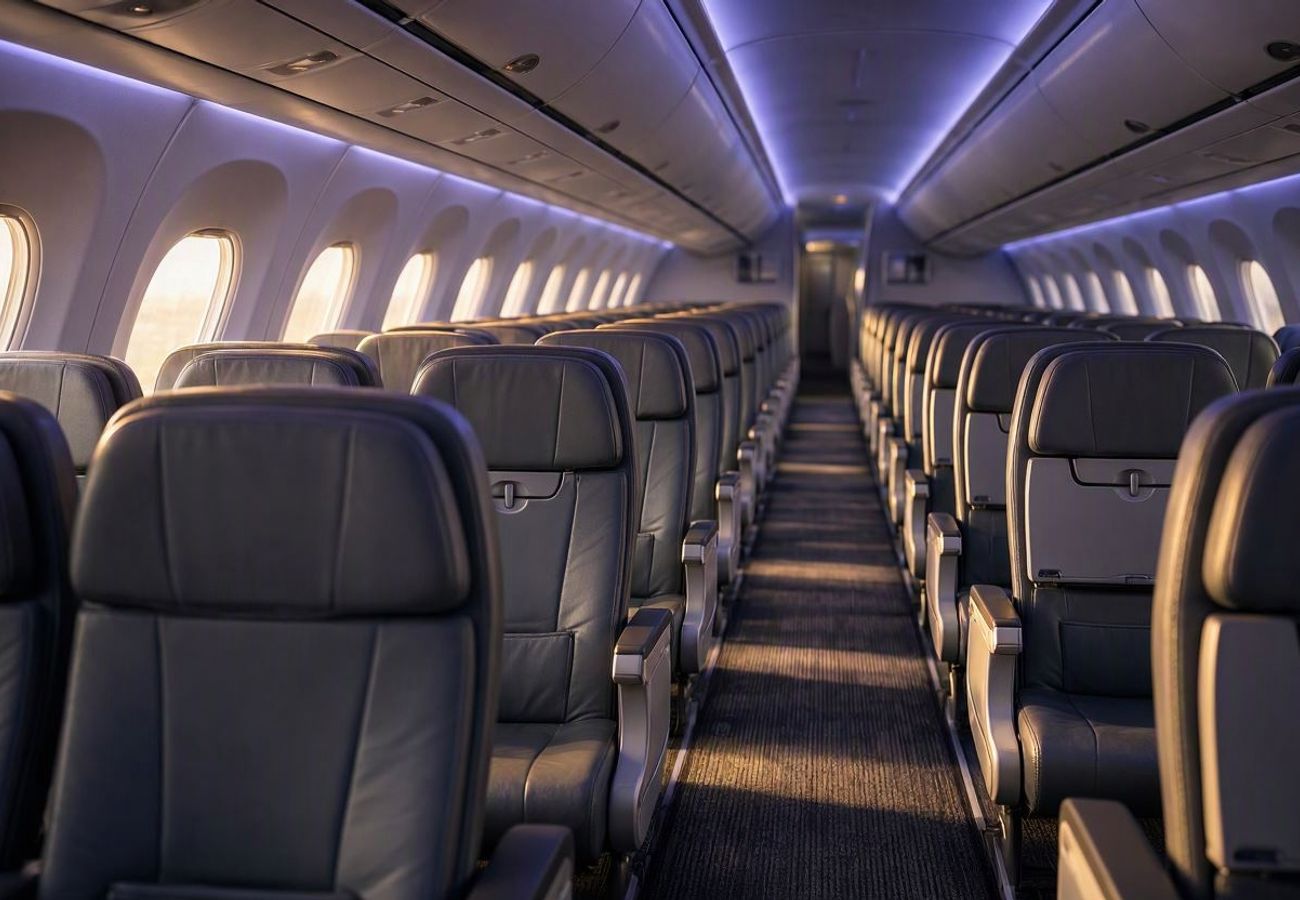
Image generated by AI
[Tokyo, September 26, 2026] — United Airlines completed a long-haul flight from Chicago to Tokyo with a deceased passenger on board, opting to maintain its original flight path rather than diverting to a closer airport. The incident occurred on Flight 881, a scheduled service from Chicago O'Hare International Airport (ORD) to Tokyo Haneda Airport (HND) on Wednesday, September 23.
The tragedy unfolded approximately two hours into the journey, leaving the aircraft and its passengers to travel the remaining distance of a flight that typically lasts 13 hours and 25 minutes. United Airlines has officially confirmed the death, noting that the Boeing 787-10 Dreamliner landed as scheduled, where it was met by law enforcement and medical personnel.
Medical Emergency on Flight 881
The situation was first brought to public attention via a passenger's account on Reddit on the morning of September 24. According to the witness, the passenger passed away early in the flight, roughly two hours after departure from Chicago. The witness reported that the decedent was respectfully covered with a blanket for the duration of the trip.
Despite the severity of the event, the flight crew and passengers reportedly maintained a professional and calm environment. The witness praised the teamwork and composure of the flight deck and cabin crew, describing their handling of the challenging situation as exemplary. It was further noted that the deceased passenger was traveling with a companion.
The flight covered a total distance of approximately 6,287 miles. Under normal operating procedures, the service departs from O'Hare International Airport Terminal 1 and arrives at Haneda Airport Terminal 3.
Affected Routes and Flight Data
The incident involved a high-capacity long-haul route that operates daily. The decision to continue to the final destination rather than divert has sparked debate among aviation observers and passengers.
| Flight Detail | Specification |
|---|---|
| Flight Number | UA 881 |
| Departure Airport | Chicago O'Hare (ORD) |
| Arrival Airport | Tokyo Haneda (HND) |
| Aircraft Model | Boeing 787-10 Dreamliner |
| Incident Timing | ~2 hours post-departure |
| Total Flight Duration | 13 hours 25 minutes |
| Total Distance | 6,287 miles |
| Date of Incident | September 23, 2026 |
What This Means for Travelers
For passengers booking long-haul international flights, this incident highlights the complex protocols airlines follow during in-flight medical emergencies and deaths. While the Federal Aviation Administration (FAA) provides guidelines for flight safety, the decision to divert a flight due to a passenger's death is often a discretionary choice made by the captain in consultation with the airline's operations center.
Passenger Impact Assessment:
- Diversion Uncertainty: Travelers should be aware that a medical emergency does not automatically trigger a flight diversion. Factors such as the passenger's nationality, the wishes of accompanying family members, and the availability of medical facilities at diversion airports influence the decision.
- Cabin Environment: In the event of an in-flight death, passengers may be asked to remain in their seats while the crew manages the situation. As seen on Flight 881, the deceased may remain on board until landing.
- Arrival Delays: While Flight 881 was not delayed, similar incidents can lead to extended taxi times or delays on the tarmac as paramedics and coroner services board the aircraft.
Aviation Safety and Diversion Trends
The incident on Flight 881 occurs amid a period of heightened instability in U.S. aviation. On the same Wednesday, American Airlines was forced to divert a flight near the Pacific Ocean due to a technical malfunction, with the aircraft returning to Los Angeles International Airport (LAX). These events follow a series of systemic disruptions earlier in the week caused by widespread equipment outages.
The decision by United Airlines to proceed to Tokyo has led to mixed reactions. Some critics argue that the aircraft was still over North American airspace—potentially near Manitoba or Saskatchewan—when the death occurred, suggesting that a diversion to Calgary or Anchorage would have been more appropriate. Conversely, others suggest that if the deceased was a Japanese national, continuing to Haneda Airport would minimize legal complications and repatriation costs for the family.
The Tokyo Haneda Airport ground crew was credited with providing a seamless transition for the medical teams who removed the deceased passenger upon arrival.
FAQ: In-Flight Emergencies 2026
Does an airline have to divert if a passenger dies mid-flight? No. Diversion is not mandatory for a death. The captain decides based on medical necessity (if the person might be revived), the wishes of the family, and operational logistics. If the person is confirmed deceased, the flight often continues to the destination.
What happens to a deceased passenger during a long flight? The body is typically moved to a discreet area or remains in the seat, covered with a blanket to maintain dignity and minimize distress to other passengers. Crew members monitor the situation until the aircraft lands.
Who handles the body once the plane lands? Local law enforcement and paramedics meet the aircraft on the tarmac. The body is transferred to a coroner or medical examiner's office in the arrival city for official certification of death and repatriation arrangements.
Can passengers request a diversion in these cases? Passengers cannot request a diversion; that authority rests solely with the pilot-in-command. However, the crew may consult with the deceased's traveling companions before making a final decision.
A somber reminder of the unpredictable nature of long-haul travel.
Related Travel Guides
Disclaimer
This article is for informational and educational purposes only. It does not constitute legal, financial, or professional advice. While we strive to provide accurate and up-to-date information, travel policies, regulations, and conditions change rapidly. Always verify information with official sources before making travel decisions. Nomad Lawyer makes no representations about the accuracy, reliability, completeness, or suitability of the information provided. Readers should consult qualified professionals for advice specific to their circumstances. The views expressed in this article are those of the author and do not necessarily reflect the views of Nomad Lawyer.
Kunal K Choudhary
Co-Founder & Contributor
A passionate traveller and tech enthusiast. Kunal contributes to the vision and growth of Nomad Lawyer, bringing fresh perspectives and driving the community forward.
Learn more about our team →