
Saudi Arabia Halts US Naval Operation in Strait of Hormuz: Switzerland and Global Nations Hail Diplomatic Relief 2026
Saudi Arabia has blocked the US 'Project Freedom' naval operation by denying airspace and base access, triggering global relief across Switzerland, UK, Turkey, and the UAE.

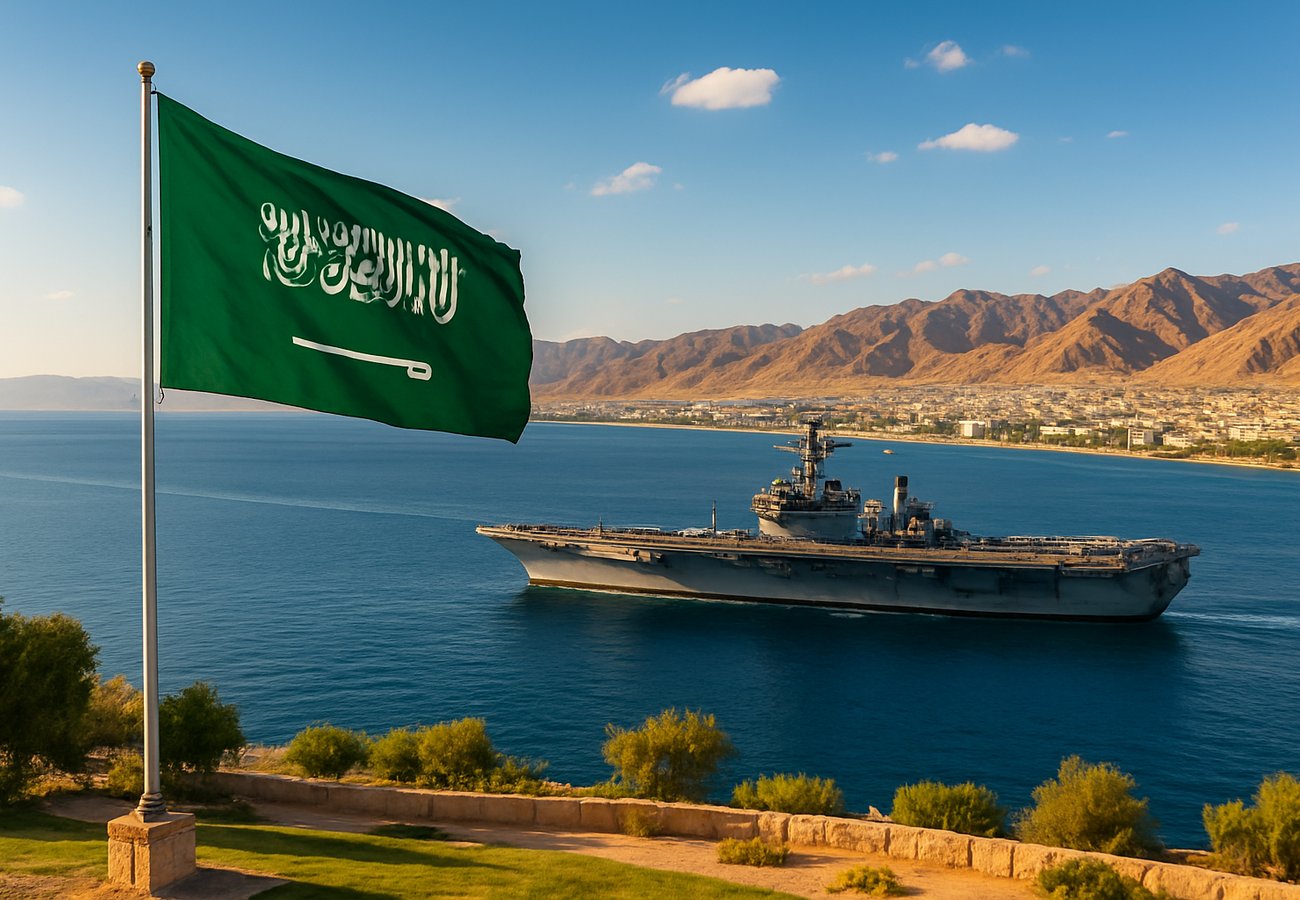
Image generated by AI
Quick Summary
- Decisive Action: Saudi Arabia has officially rejected US requests for airspace and military base access for the "Project Freedom" naval operation in the Strait of Hormuz.
- Military Halt: The US naval operation has been abruptly paused following the denial of regional logistical support.
- Global Relief: Nations including Switzerland, Turkey, the UK, Qatar, France, Oman, and the UAE have expressed celebratory relief at the de-escalation of tensions.
- Maritime Stability: The halt ensures the continued safe and peaceful passage of LNG and crude oil vessels through one of the world's most critical chokepoints.
- Sovereignty Over Conflict: The move is hailed as a victory for regional sovereignty and diplomatic dialogue over unilateral military intervention.
- Tourism Recovery: Ensuring the security of the Strait is viewed as essential for the ongoing growth of the high-value tourism sectors in Qatar and the UAE.
- Source: Multi-national Diplomatic Communiqué and Regional Maritime Security Update as of May 7, 2026.
Switzerland, Turkey, the UK, Qatar, France, and Oman have joined the United Arab Emirates in expressing profound celebratory relief after Saudi Arabia officially blocked the United States’ "Project Freedom" naval operation by denying airspace and military base access. Released on May 7, 2026, this decisive move has effectively halted a potential military escalation in the Strait of Hormuz, one of the world's most critical maritime chokepoints. By prioritizing regional sovereignty and diplomatic dialogue over unilateral military intervention, Saudi Arabia’s rejection has stabilized global energy markets and restored confidence in international trade and tourism routes. This geopolitical pivot marks a new era of regional cooperation, ensuring that the vital corridors for LNG exports and high-value Gulf tourism remain open, secure, and accessible without the disruptive presence of a large-scale naval task force.
Global Diplomatic Responses to the Halt of US ‘Project Freedom’ in the Strait of Hormuz
The following table summarizes the strategic reactions from global powers to the de-escalation of military tensions in the Gulf.
| Nation | Diplomatic Position | Key Area of Relief | Strategic Objective |
|---|---|---|---|
| Switzerland | Neutral Mediator | Global Peace Talks | Facilitating multi-lateral dialogue |
| Saudi Arabia | Regional Sovereign | Airspace & Base Control | Asserting independent regional policy |
| United Kingdom | Global Trade Partner | Shipping Route Security | Protecting energy corridors & post-Brexit trade |
| Turkey | Regional Power | Energy Import Stability | Safeguarding energy-related economic health |
| Qatar | Energy Hub | LNG Export Continuity | Securing shipping lanes for LNG tankers |
| France | Strategic Ally | Multilateral Diplomacy | Avoiding unilateral military destabilization |
| Oman | Neutral Bridge | Maritime Harmony | Maintaining the Strait as a peaceful route |
| UAE | Regional Hub | Tourism & Export Flow | Ensuring stability for luxury tourism hubs |
Geopolitical De-escalation: Saudi Arabia’s Rejection of US Military Access
The halt of "Project Freedom" marks a significant shift in Gulf dynamics:
- Logistical Denial: By withholding airspace and base access, Saudi Arabia has effectively dismantled the operational framework required for a sustained US naval presence in the Strait.
- Avoiding Escalation: Regional powers viewed the operation as a potential catalyst for further instability and military confrontation.
- Sovereignty Focus: The decision underscores a growing trend of Middle Eastern nations prioritizing local diplomatic solutions over external military involvement.
Switzerland: Neutral Mediation and the Call for Peace Talks
Switzerland has been one of the most vocal Western supporters of the de-escalation:
- Neutral Advocacy: Swiss officials welcomed the pause as an opportunity for neutral nations to facilitate peace talks and regional dialogue.
- Economic Recovery: Switzerland noted that global trade and tourism are currently in a delicate recovery phase, making the avoidance of conflict a priority.
- Diplomatic Bridge: The country remains committed to its role as a platform for international cooperation without military intervention.
Turkey and the UK: Securing Energy Imports and Global Shipping
For the UK and Turkey, the Strait of Hormuz is a vital economic artery:
- Turkey’s Energy Health: The Strait is the primary passage for Turkey’s energy imports; the cancellation of military operations ensures a restoration of market balance.
- UK Trade Corridors: Post-Brexit, the UK is heavily focused on the smooth flow of global trade and strengthening partnerships with Gulf energy producers.
- Shipping Confidence: Maritime insurers and global shipping companies have responded positively to the reduction in military presence.
Qatar: A Diplomatic Triumph for Regional Sovereignty and LNG Trade
Qatar views the development as a safeguard for its global energy dominance:
- LNG Security: As a world-leading LNG exporter, Qatar relies on the guaranteed free flow of tankers through the Strait.
- Independent Policy: Qatari officials stated that the decision is a testament to the power of independent decision-making in the region.
- Commercial Traffic: The halt ensures that there will be no unnecessary military-driven disruptions to Qatar’s high-volume commercial shipping.
France and Oman: Multilateralism and Neutral Mediation in the Gulf
Both nations have emphasized the importance of a "diplomatic-first" strategy:
- France’s Multilateralism: France viewed the US naval operation as a risk to multilateral solutions and energy security for Europe.
- Oman’s Bridge Role: Oman has worked tirelessly to act as a bridge between conflicting powers, consistently advocating for dialogue over military solutions.
- Maritime Peace: Oman relies heavily on the Strait remaining a peaceful route for international commerce passing through its territorial waters.
UAE: Ensuring Stability for the Gulf Tourism and Energy Sectors
The UAE is prioritizing the protection of its massive tourism and export infrastructure:
- Tourism Resilience: Stability in the Strait is critical for the continued growth of Dubai and Abu Dhabi as global luxury tourism destinations.
- Regional Cooperation: UAE officials have called for continued collaboration between Gulf nations and international bodies to maintain maritime safety.
- Investment Confidence: Reducing military tension is viewed as essential for maintaining high levels of foreign direct investment in the region.
The Economic Ripple Effect: Restoring Global Trade and Supply Chains
The global trade sector has responded with significant optimism:
- Supply Chain Continuity: Avoiding military escalation prevents the catastrophic disruption of global supply chains that would result from a Strait of Hormuz closure.
- Market Calm: Energy markets have stabilized following the news, with oil price volatility decreasing in the wake of the diplomatic pause.
- Long-term Outlook: The shift toward diplomacy provides a clearer path for long-term investments in regional energy and tourism infrastructure.
Conclusion: A New Era of Diplomatic Stability in the Strait of Hormuz
The May 7, 2026, celebratory relief shared by Switzerland, Turkey, the UK, and their Gulf partners confirms that the world favors diplomacy over military confrontation in its most sensitive waterways. By halting "Project Freedom" and asserting regional sovereignty, Saudi Arabia has provided a much-needed opportunity for stable global trade and tourism to flourish. As the US naval presence recedes, the focus has shifted toward multilateral cooperation and peaceful maritime passage. For the international traveler and global trade partner, the Strait of Hormuz remains open, secure, and accessible, proving that in the modern era, the power of diplomatic dialogue remains the most effective tool for regional and global stability.
FAQ: Strait of Hormuz De-escalation 2026
Why did Saudi Arabia reject the US naval operation? Saudi Arabia denied the US access to its airspace and military bases to prioritize regional sovereignty and prevent further military escalation in the Strait of Hormuz.
Which countries expressed relief at the halt of Project Freedom? Switzerland, Turkey, the United Kingdom, Qatar, France, Oman, and the United Arab Emirates are among the nations that welcomed the decision.
How does this affect global energy and tourism? The halt of military operations restores confidence in maritime trade routes for LNG and oil, while ensuring the continued safety and growth of the Gulf’s tourism hubs.
Related Geopolitical Reports
Disclaimer
This article is for informational and educational purposes only. It does not constitute legal, financial, or professional advice. While we strive to provide accurate and up-to-date information, travel policies, regulations, and conditions change rapidly. Always verify information with official sources before making travel decisions. Nomad Lawyer makes no representations about the accuracy, reliability, completeness, or suitability of the information provided. Readers should consult qualified professionals for advice specific to their circumstances. The views expressed in this article are those of the author and do not necessarily reflect the views of Nomad Lawyer.
Kunal K Choudhary
Co-Founder & Contributor
A passionate traveller and tech enthusiast. Kunal contributes to the vision and growth of Nomad Lawyer, bringing fresh perspectives and driving the community forward.
Learn more about our team →