
Greece is at Risk as Climate Change and Overtourism Trigger Structural Warning for Urgent Economic Rebalancing
Bank of Greece warns that climate change and overtourism threaten the economy. New 2025-2026 report urges a shift from m

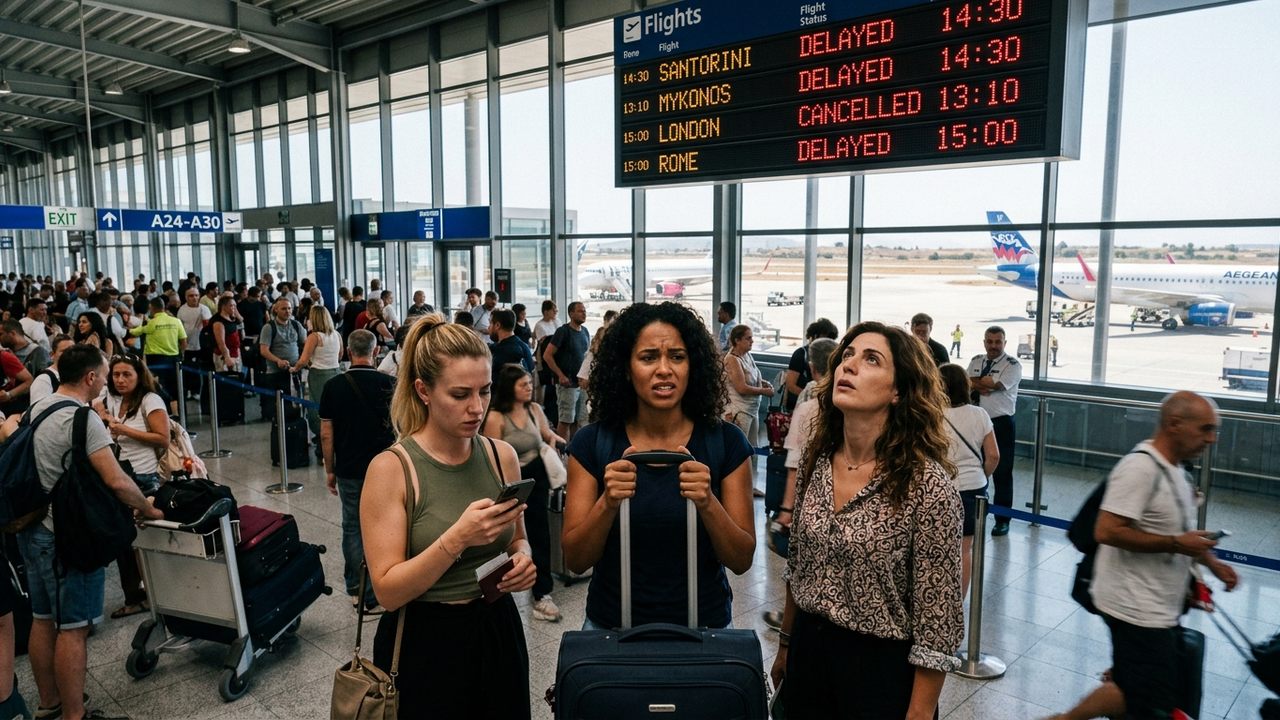
Image generated by AI
[Athens, June 26, 2026] — Greece is facing a critical economic juncture as the convergence of accelerating climate change and persistent overtourism threatens the stability of its tourism-dependent economy. According to the Bank of Greece’s Monetary Policy 2025–2026 report, the nation's traditional high-volume, seasonal travel model has become unsustainable and requires urgent structural rebalancing to maintain long-term global competitiveness.
Tourism serves as a primary engine for Greek employment, regional growth, and foreign exchange. However, industry observers and central bank officials warn that an over-reliance on mass tourism during peak summer months is creating severe environmental stress and infrastructure deficits. This systemic imbalance threatens to erode the very appeal of the destinations that drive the economy.
Climate Change Disrupts Greek Tourism Infrastructure and Travel Cycles
The Bank of Greece has identified climate change as a primary catalyst for instability within the tourism ecosystem. Rising global temperatures and the increased frequency of extreme heatwaves are fundamentally altering visitor behavior and the viability of traditional summer travel.
Recent data indicates that intense summer heat has begun to disrupt outdoor activities and strain public health services, reducing the overall comfort level for tourists during the traditional peak window. Furthermore, the vulnerability of national infrastructure has been laid bare by severe weather events, specifically storms Ianos and Daniel, which caused widespread flooding and significant damage to transport networks and hospitality facilities.
These events are no longer viewed as anomalies but as a consistent pattern. Reports suggest that this trend is compressing the traditional tourism season, as travelers may begin to avoid the height of summer in favor of cooler months or alternative international destinations. This shift poses a direct threat to the seasonal concentration that has historically underpinned the Greek travel industry.
Overtourism Strains Island Ecosystems and Urban Centers
Parallel to climate risks, the phenomenon of overtourism is placing an unsustainable burden on Greece's most popular regions. The proliferation of low-cost air carriers, the expansion of the cruise industry, and the rise of digital booking platforms have funneled unprecedented volumes of visitors into already saturated hubs.
In many popular islands and urban centers, the influx of tourists has pushed water supply systems, energy grids, and waste management services beyond their operational limits. This creates intense pressure on municipal governments and service providers, particularly during the summer surge.
The environmental toll is equally severe. Coastal zones and marine habitats are suffering from increased foot traffic and unmanaged construction. In several high-traffic locations, this has led to accelerated coastal erosion and a loss of biodiversity. Additionally, the nation's archaeological landmarks and historic districts are facing physical deterioration due to the sheer volume of visitors, necessitating a more rigorous approach to site management.
Housing Crises and Social Tension in Local Communities
The socio-economic impact of the current tourism model is increasingly evident in residential areas. The rapid expansion of short-term rental platforms has triggered a surge in housing costs, particularly in coastal cities and island villages.
Industry reports highlight a concerning trend where residential properties are being converted into tourist accommodations, effectively pricing out local residents. This has led to a demographic crisis, with younger generations and long-term inhabitants forced to relocate to peripheral areas or abandon their hometowns entirely.
Beyond housing, the quality of life for locals is diminished by peak-season congestion, noise pollution, and overwhelmed public services. There is a growing risk that the erosion of traditional neighborhood identities—where local commerce is replaced by tourism-centric businesses—could undermine social cohesion and eventually decrease the attractiveness of these destinations for high-value travelers.
Economic Vulnerabilities of Seasonal Dependence
While the tourism sector continues to provide significant financial gains, the Bank of Greece warns that the current structure is highly susceptible to external shocks. The heavy concentration of revenue and employment within a narrow summer window creates volatility and limits the economic efficiency of tourist spending.
The role of low-cost connectivity has been a double-edged sword; while it has driven record-breaking arrival numbers, it has also intensified the pressure on a small number of "hotspot" destinations. This imbalance prevents the equitable distribution of wealth across the mainland and increases the risk of a systemic collapse if demand shifts suddenly.
Officials suggest that without a structural pivot, the decline in destination quality caused by overcrowding and environmental decay will eventually reduce Greece's pricing power and overall market demand.
Strategic Reform Priorities for a Resilient Tourism Sector
To mitigate these risks, the Bank of Greece’s Monetary Policy 2025–2026 report proposes a transformation framework centered on four strategic pillars:
| Strategic Priority | Primary Objective | Expected Outcome |
|---|---|---|
| Seasonal Deconcentration | Shift demand to non-peak months | Reduced infrastructure strain and stable year-round employment |
| Geographic Redistribution | Promote lesser-known mainland regions | Balanced regional growth and reduced pressure on islands |
| Product Diversification | Expand cultural, wellness, and rural tourism | Reduced dependency on mass beach-centric travel |
| Green Infrastructure | Invest in sustainable water, energy, and waste tech | Lower environmental footprint in high-traffic zones |
These priorities are designed to move the industry away from a volume-based approach and toward a value-driven model. By diversifying the "tourism product" to include gastronomy, nature-focused activities, and wellness travel, Greece aims to attract a more diverse demographic of visitors throughout the calendar year.
Transitioning Toward a Sustainable Economic Model
The warnings issued by the central bank signal a pivotal moment for the Greek economy. While global demand for the destination remains strong, the systemic vulnerabilities created by climate change and overtourism can no longer be ignored.
The transition requires a coordinated effort between government policy, private sector investment, and local destination management. The goal is to ensure that tourism remains a driver of prosperity without destroying the environmental and social assets that make Greece a premier global destination.
The central bank's conclusion is stark: the very success of the current high-volume model has created the risks that now threaten its future. Immediate structural change is the only path to long-term resilience.
Why This Matters (Information Gain)
The Bank of Greece's warning represents a shift in economic philosophy, moving from "growth at all costs" to "managed sustainability." For the aviation and travel industry, this signals a potential future where the Greek government may implement stricter caps on cruise arrivals or introduce incentives for off-peak flight connectivity to mainland regions.
The emphasis on "value over volume" suggests that Greece may move toward a high-yield tourism model—similar to strategies seen in Venice or Bhutan—where the focus is on spending per visitor rather than total arrival numbers. If Greece successfully pivots to wellness and cultural tourism, it will redefine its brand from a "summer sun" destination to a year-round cultural hub, potentially stabilizing the volatile employment cycles that currently plague the Mediterranean hospitality sector.
Related Travel Guides
Disclaimer
This article is for informational and educational purposes only. It does not constitute legal, financial, or professional advice. While we strive to provide accurate and up-to-date information, travel policies, regulations, and conditions change rapidly. Always verify information with official sources before making travel decisions. Nomad Lawyer makes no representations about the accuracy, reliability, completeness, or suitability of the information provided. Readers should consult qualified professionals for advice specific to their circumstances. The views expressed in this article are those of the author and do not necessarily reflect the views of Nomad Lawyer.
Kunal K Choudhary
Co-Founder & Contributor
A passionate traveller and tech enthusiast. Kunal contributes to the vision and growth of Nomad Lawyer, bringing fresh perspectives and driving the community forward.
Learn more about our team →