
United Airlines Flight UAL1870 Diverts to Grand Junction
United Airlines Flight UAL1870 heading to Denver diverted to Grand Junction Regional Airport on August 3, 2026, due to severe Rocky Mountain convective weather.

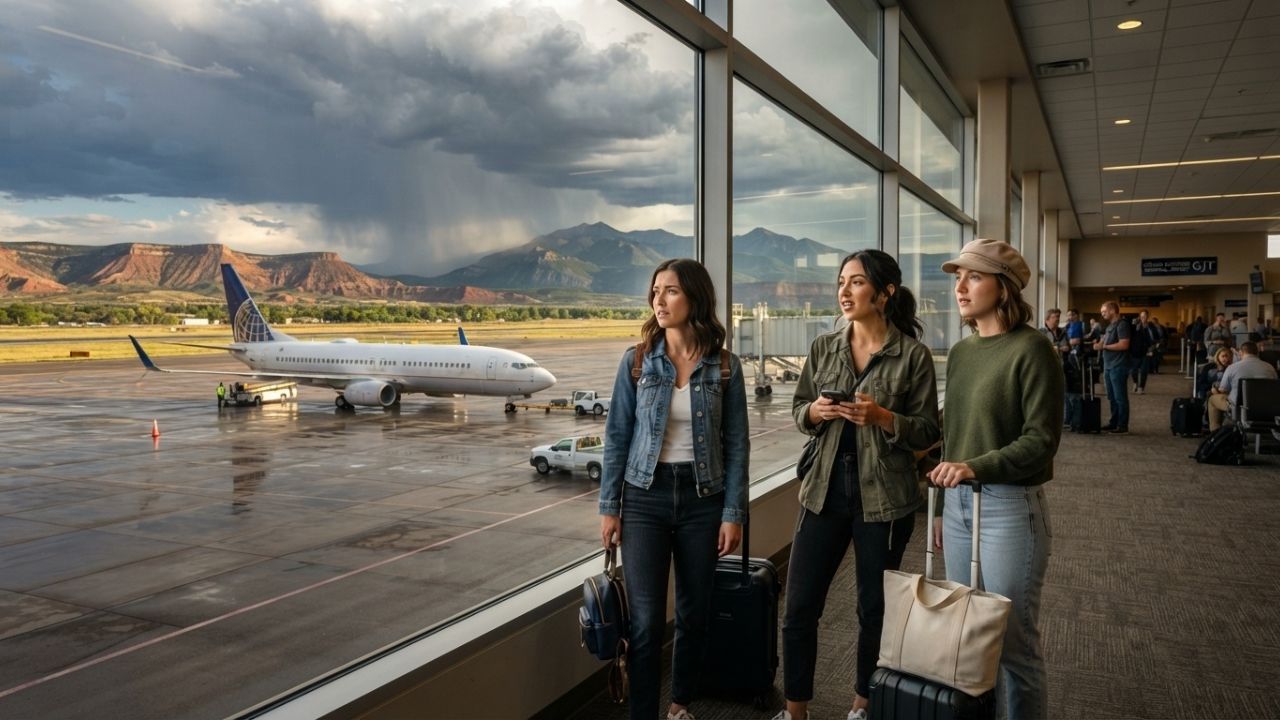
Image generated by AI
Summer convective storm cells over the Continental Divide forced United Airlines Flight UAL1870 to divert to Grand Junction, Colorado, on August 3, 2026. The Boeing aircraft altered its course to Denver to avoid localized mountain wave turbulence and severe wind shear, safety protocols that redirected passengers to Western Colorado.
The Local Trend Revealed
A growing trend in Rocky Mountain aviation is the reliance on regional alternative hubs to manage summer weather delays. As rising afternoon temperatures fuel atmospheric instability across high-altitude corridors, air traffic control and airline operations teams are increasingly utilizing Grand Junction Regional Airport (GJT) as a primary safety shield.
During the operational event on August 3, 2026, United Airlines flight UAL1870—a scheduled domestic service flying directly to Denver International Airport (DEN)—was diverted to Grand Junction at 16:45 MDT (with the scheduled time of arrival altered). The flight crew operating the Boeing aircraft determined that convective atmospheric activity and potential wind shear near the Continental Divide made continuing to Denver unsafe. Rather than entering holding patterns or risking severe turbulence, the cockpit executed a routine safety diversion to GJT.
Cultural & Environmental Value (Information Gain & Experience)
For the visitor, the real impact of these tactical diversions is a firsthand introduction to the geographic transition of Colorado. Grand Junction lies in the Grand Valley, a region defined by its lower elevation, stable air currents, and unique high-desert microclimate. Rerouting flights here ensures passenger safety while keeping aircraft clear of fragile alpine environments that are highly sensitive to emergency aviation disruptions.
This trend highlights the importance of supporting regional infrastructure. By diverting flights to GJT, airlines utilize established local ground crews, passenger service teams, and refueling stations. The economic support provided by stranded travelers who spend time at local terminals directly aids Western Colorado’s municipal economy and airport operations, reinforcing the resilience of regional transit corridors.
Visitor Insider Tips
For travelers who find themselves unexpectedly grounded or visiting Grand Junction, the region offers rich cultural and natural highlights:
- Off-Peak Visit Window: If planning a dedicated trip to the Grand Valley, the autumn months of September to November offer mild temperatures, fewer crowds, and the peak of the local agricultural harvest.
- Cultural Etiquette: Grand Junction has a relaxed, outdoor-centric culture. When hiking in the area, follow "Leave No Trace" principles to protect the high-desert terrain and respect marked private property boundaries.
- Local Dining Specialties: Sample fresh Palisade peaches if visiting in late summer, or explore local farm-to-table bistros offering Colorado bison burgers and fresh-caught trout. The Grand Valley is also home to a thriving wine industry, making local Cabernet Franc a must-try.
- Under-the-Radar Spot: Skip the crowded national parks and explore Colorado National Monument. Winding along Rim Rock Drive provides access to dramatic red rock canyons, sheer monoliths, and desert bighorn sheep with a fraction of the crowds found elsewhere.
- Navigating Disruptions: Check updates from the Federal Aviation Administration (FAA) and National Weather Service (NWS) when convective storms build. Keep receipts for all transportation and meal expenses during weather-related delays.
Tourism Outlook
The long-term outlook for Grand Junction Regional Airport is one of steady integration into the national aviation network. According to flight tracking metrics from FlightAware tracking systems, GJT's lower elevation, long runways, and lack of terrain interference make it the premier alternate facility for Rocky Mountain crossings.
As Denver International Airport continues to expand, GJT will remain a vital safety valve. This operational role is prompting local tourism boards to promote the Grand Valley not just as a backup landing strip, but as a premier destination for wine tourism, paleontology, and mountain biking, turning unexpected detours into future vacation bookings.
Related Travel Guides
Disclaimer
This article is for informational and educational purposes only. It does not constitute legal, financial, or professional advice. While we strive to provide accurate and up-to-date information, travel policies, regulations, and conditions change rapidly. Always verify information with official sources before making travel decisions. Nomad Lawyer makes no representations about the accuracy, reliability, completeness, or suitability of the information provided. Readers should consult qualified professionals for advice specific to their circumstances. The views expressed in this article are those of the author and do not necessarily reflect the views of Nomad Lawyer.
Kunal K Choudhary
Co-Founder & Contributor
A passionate traveller and tech enthusiast. Kunal contributes to the vision and growth of Nomad Lawyer, bringing fresh perspectives and driving the community forward.
Learn more about our team →