
UK Transport Secretary Orders CAA Review After September 2026 Gatwick Software Failure Disrupts Flights
Transport Secretary Heidi Alexander has mandated an independent Civil Aviation Authority review following a NATS software defect on September 8, 2026, that triggered mass cancellations at London Gatwick.

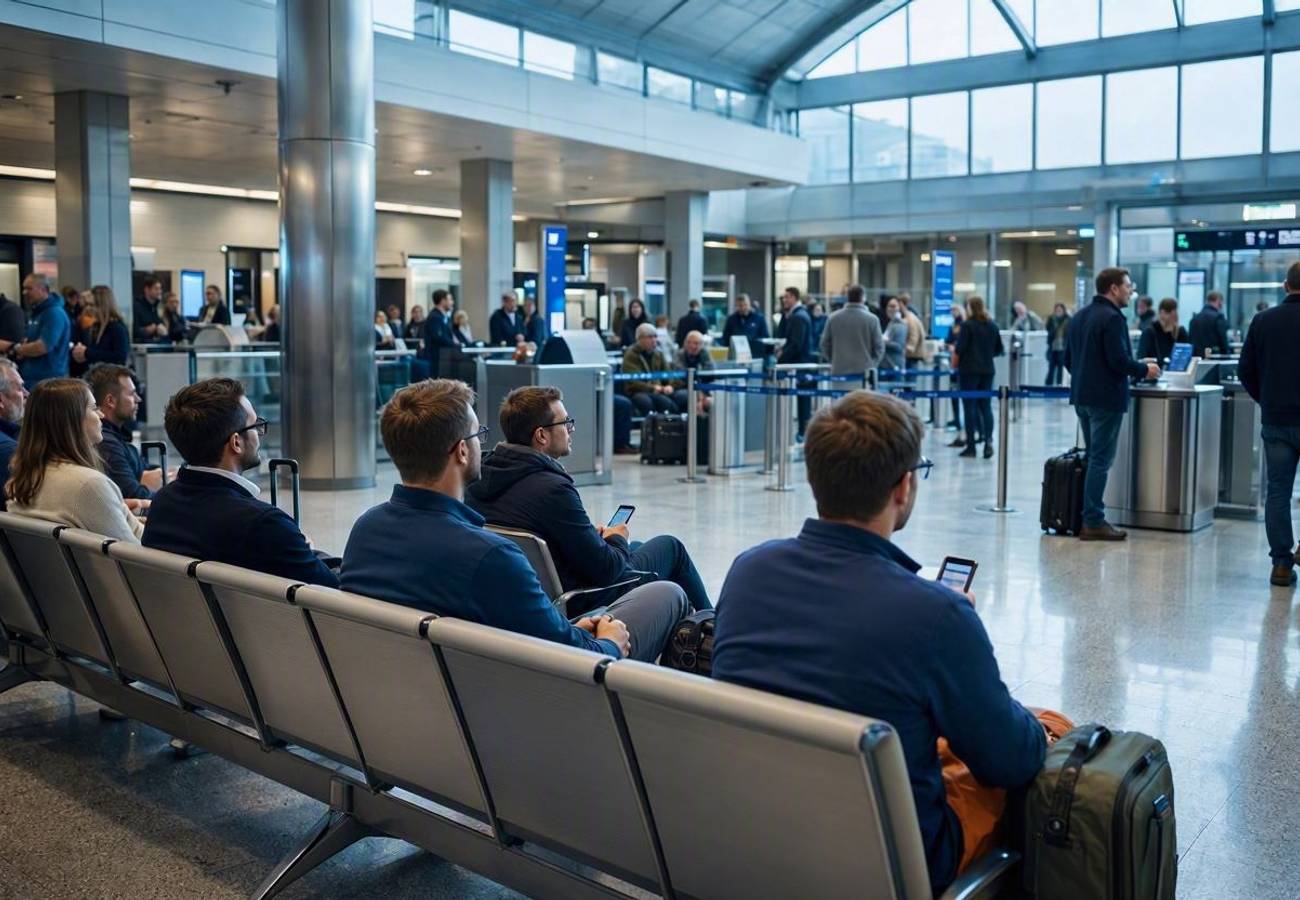
Image generated by AI
Flight processing failures in the UK have shifted from rare anomalies to systemic risks, with the September 8, 2026, disruption at London Gatwick marking a critical failure point in national airspace resilience. While safety protocols remained intact, the operational collapse triggered by a single software defect demonstrates a widening gap between current infrastructure capabilities and the demands of modern flight volumes.
The Technical Failure in Numbers: September 8, 2026
The disruption originated from a software defect within a specific component of the National Airspace System (NAS). On Tuesday, September 8, 2026, this defect compromised the processing of flight plans, creating a ripple effect that paralyzed one of the world's most congested airspace corridors. Because air traffic management operates as an integrated network, the failure did not remain isolated; it cascaded through the system, triggering departure holds and arrival restrictions.
The aftermath saw a surge in cancellations and extended ground delays, primarily impacting London Gatwick. The volatility of the event was characterized by its rapid onset, where a "small part" of the NAS caused outsized consequences. For short-haul carriers, the data shows a "rotation echo," where a single morning delay shifted the entire day's schedule, leaving aircraft and crews out of position across Europe. Long-haul flights faced a different set of constraints, specifically crew duty-time limits and a lack of available landing slots as the system attempted to recover.
Comparative Context: Systemic Fragility vs. Operational Demand
The current crisis is not an isolated event but part of a pattern of fragility within the UK's air traffic control (ATC) framework. When compared to historical disruptions, the 2026 event highlights a recurring vulnerability: the lack of redundancy in flight plan processing. While the International Air Transport Association (IATA) emphasizes the need for modernized, digitized airspace to handle increasing traffic, the UK's reliance on legacy-integrated systems creates single points of failure.
The Transport Secretary, Heidi Alexander, described the event as "completely unacceptable," reflecting a shift in political appetite for technical excuses. The government's response was rapid: a report from NATS was demanded by Wednesday, September 16, 2026, followed immediately by the order for an independent review by the Civil Aviation Authority (CAA).
The following table illustrates the operational impact and the regulatory response timeline for the September 2026 event:
| Metric/Event | Detail | Timeline/Impact |
|---|---|---|
| Incident Date | Software defect in NAS | September 8, 2026 |
| Primary Hub Affected | London Gatwick | Mass delays/cancellations |
| NATS Report Deadline | Cause and response analysis | September 16, 2026 |
| Regulatory Action | Independent CAA Review | Ordered post-Sept 16 |
| Review Duration | Governance and resilience audit | Expected within 6 months |
| Root Cause | Flight plan processing defect | Rapid-onset software failure |
Practical Traveler Advisory and Strategic Insights
For those flying through the UK, specifically via Gatwick or Heathrow, this event signals that "technical glitches" are now a primary risk factor for itinerary disruption. The data suggests that when a NAS failure occurs, rebooking capacity vanishes almost instantly because multiple airlines are affected simultaneously.
Actionable Booking Advice:
- Documentation: Because these disruptions are tied to air traffic control (ATC) rather than airline negligence, compensation eligibility can be complex. Travelers must retain every receipt for meals, hotels, and transport to claim "duty of care" expenses.
- Buffer Zones: For travelers with tight connections in Q4 2026, adding a 4-6 hour buffer between flights is now a data-backed necessity. The "rotation echo" mentioned in NATS' findings means that even if your specific flight is not cancelled, a delay three rotations prior can still impact your departure.
- Communication Channels: During system recovery phases, airline apps often lag. Monitoring official NATS updates or airport flight boards directly provides the fastest confirmation of slot availability.
Projection: The Shift Toward Infrastructure Accountability
The CAA's review is expected to move beyond the "how" of the software bug and focus on the "why" of the systemic collapse. We are seeing a transition where airspace reliability is being treated as critical national infrastructure—similar to power grids or water systems—rather than a mere service provided to airlines.
The review will likely scrutinize investment planning and whether NATS has prioritized resilience over aspirational growth targets. If the CAA finds that the recovery procedures were unoptimized, we can expect a mandate for new backup systems for flight plan processing. For the industry, this means a potential increase in regulatory oversight and a requirement for airlines to maintain higher levels of "slack" in their scheduling to prevent the kind of total gridlock seen on September 8.
FAQ: Gatwick Disruption 2026
Will flight prices increase due to these reviews? Not directly. However, if the CAA mandates expensive infrastructure upgrades for NATS, these costs may eventually be passed down to airlines and then to passengers via higher airport fees.
Is it a good time to book flights through Gatwick? Yes, but flexibility is key. Use fares that allow for easy changes, as the system is still in a "recovery and review" phase following the September software failure.
Which airlines are most affected by these outages? Short-haul, low-cost carriers with high-frequency rotations are most vulnerable because a single delay cascades through their entire daily schedule more quickly than long-haul carriers.
Who is responsible for paying for my hotel during an ATC failure? Under UK law, the airline is responsible for "duty of care" (meals and accommodation), regardless of whether the delay was caused by NATS or the airline itself.
The transition from technical error to systemic failure marks a new era of accountability for UK airspace.
Related Travel Guides
Disclaimer
This article is for informational and educational purposes only. It does not constitute legal, financial, or professional advice. While we strive to provide accurate and up-to-date information, travel policies, regulations, and conditions change rapidly. Always verify information with official sources before making travel decisions. Nomad Lawyer makes no representations about the accuracy, reliability, completeness, or suitability of the information provided. Readers should consult qualified professionals for advice specific to their circumstances. The views expressed in this article are those of the author and do not necessarily reflect the views of Nomad Lawyer.
Raushan Kumar
Founder & Lead Developer
Full-stack developer with 11+ years of experience and a passionate traveller. Raushan built Nomad Lawyer from the ground up with a vision to create the best travel and law experience on the web.
Learn more about our team →