
Porter Flight Cancelled After Child Refuses Seat Belt
Porter Airlines cancelled a flight from Victoria to Toronto on August 6 after a child refused to secure a seat belt, causing the aircraft to miss its runway window.
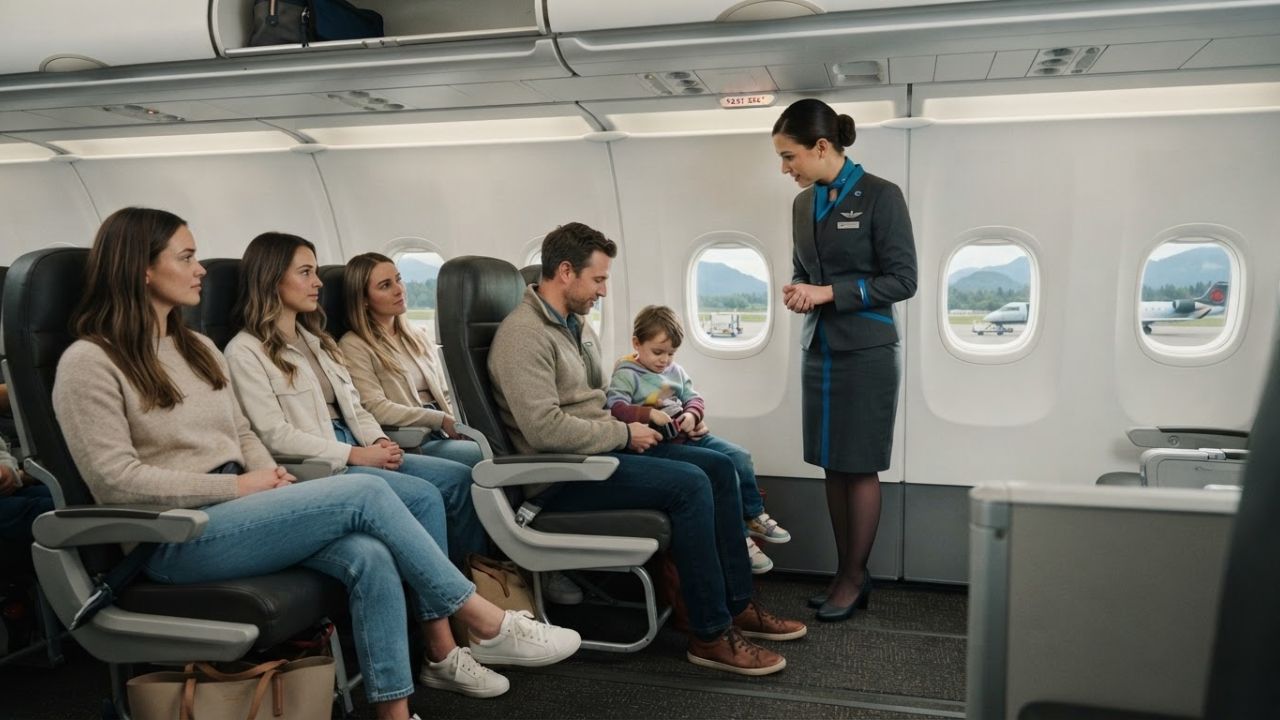
Image generated by AI
Forced to cancel a Victoria-to-Toronto flight on August 6, 2026, after a child repeatedly refused to secure a seat belt, Porter Airlines has highlighted the strict nature of cabin safety regulations.
The Core Transit Update
Civil aviation safety mandates and regional airport runway curfews are causing disruptions for passenger flights in Canada. A Porter Airlines flight scheduled to fly from Victoria International Airport in British Columbia to Toronto was forced to return to the gate when a young child refused to sit down and buckle up.
After crew members and the accompanying parent failed to resolve the safety issue, the family disembarked. However, the resulting delay pushed the flight past Victoria International Airport's 12:30 a.m. overnight runway closure window, forcing the airline to cancel the flight and rebook the remaining passengers for August 7, 2026.
Incident Parameters & Seating Regulations
Managing regional flight departures requires balancing passenger safety compliance with airport operating windows. The following tables outline the Porter Airlines incident parameters and Canada's passenger protection rules for child seating.
| Incident Metric / Parameter | Porter Airlines Flight Specification | Passenger & Operational Impact | Strategic Safety Requirement |
|---|---|---|---|
| Operating Carrier | Porter Airlines | Flight cancellation & overnight delay | Mandatory passenger compliance |
| Scheduled Route | Victoria (YYJ) to Toronto (YYZ) | Rebooked for the following day | Safety check before take-off |
| Incident Date | August 6, 2026 | Returned to terminal; family disembarked | Canada Aviation Regulations |
| Airport Runway Cutoff | 12:30 a.m. overnight closure | Missed flight window due to delay | Strict local noise/curfew rules |
Porter Airlines Victoria–Toronto flight cancellation details.
| Child Passenger Age | Mandatory Seating Proximity Limit | Additional Seat Fee Policy | Strategic Cabin Safety Objective |
|---|---|---|---|
| Under 5 Years | Adjacent to accompanying adult seat | Free assistance required | Continuous safety supervision |
| 5 to 11 Years | Same row; max 1 seat separation | Free assistance required | Rapid seat belt compliance check |
| 12 to 13 Years | Maximum 1 row separation limit | Free assistance required | General minor passenger support |
Canadian Passenger Protection Regulations (APPR) child seating rules.
Traveler Logistics Guide
From a ground-level perspective, the best way to navigate this is to familiarize your children with aircraft seat belts and cabin safety rules before boarding, as flight crews are legally prohibited from starting taxiing or takeoff procedures if any passenger remains unrestrained. Checking child restraint system rules is recommended.
To plan your family flights:
- Verify Approved Car Seats: Porter Airlines requires approved child restraint systems (such as car seats or CARES harnesses) for infants under two occupying a paid seat. Booster seats are not permitted onboard.
- Observe Curfew Constraints: Victoria International Airport closes its runway overnight at 12:30 a.m. Flight delays occurring close to midnight risk immediate cancellation due to this curfew.
- Confirm Rebooking Rights: Under the Air Passenger Protection Regulations (APPR), if a flight is cancelled for safety reasons, the airline must secure alternative flights but is typically exempt from cash compensation for delay inconvenience.
- Utilize Free Seating Proximity: Airlines must seat children under 14 close to their parents. Ensure you coordinate seat assignments at check-in to avoid being separated during boarding.
Infrastructure Impact Assessment
The overnight cancellation of the Porter flight demonstrates how cabin safety compliance directly intersects with regional airport operational limits.
According to passenger Aryeh Kozuch, the child appeared frightened during taxiing, leading to the decision to return to the gate. By enforcing strict Transport Canada safety rules and respecting Victoria's 12:30 a.m. runway curfew, the flight crew prevented in-flight turbulence risks while illustrating the operational costs associated with curfew-regulated regional airports.
Related Travel Guides
KLM Launches Grand Cafe Inflight Dining Across Europe
Shravani Mela 2026 Deoghar Travel Tips and Logistics Guide
10 Best Travel Tips for Flying with Kids, Selecting Aircraft-Approved Car Seats, and Understanding Air Passenger Rights in Canada, According to Reddit
Disclaimer
This article is for informational and educational purposes only. It does not constitute legal, financial, or professional advice. While we strive to provide accurate and up-to-date information, travel policies, regulations, and conditions change rapidly. Always verify information with official sources before making travel decisions. Nomad Lawyer makes no representations about the accuracy, reliability, completeness, or suitability of the information provided. Readers should consult qualified professionals for advice specific to their circumstances. The views expressed in this article are those of the author and do not necessarily reflect the views of Nomad Lawyer.