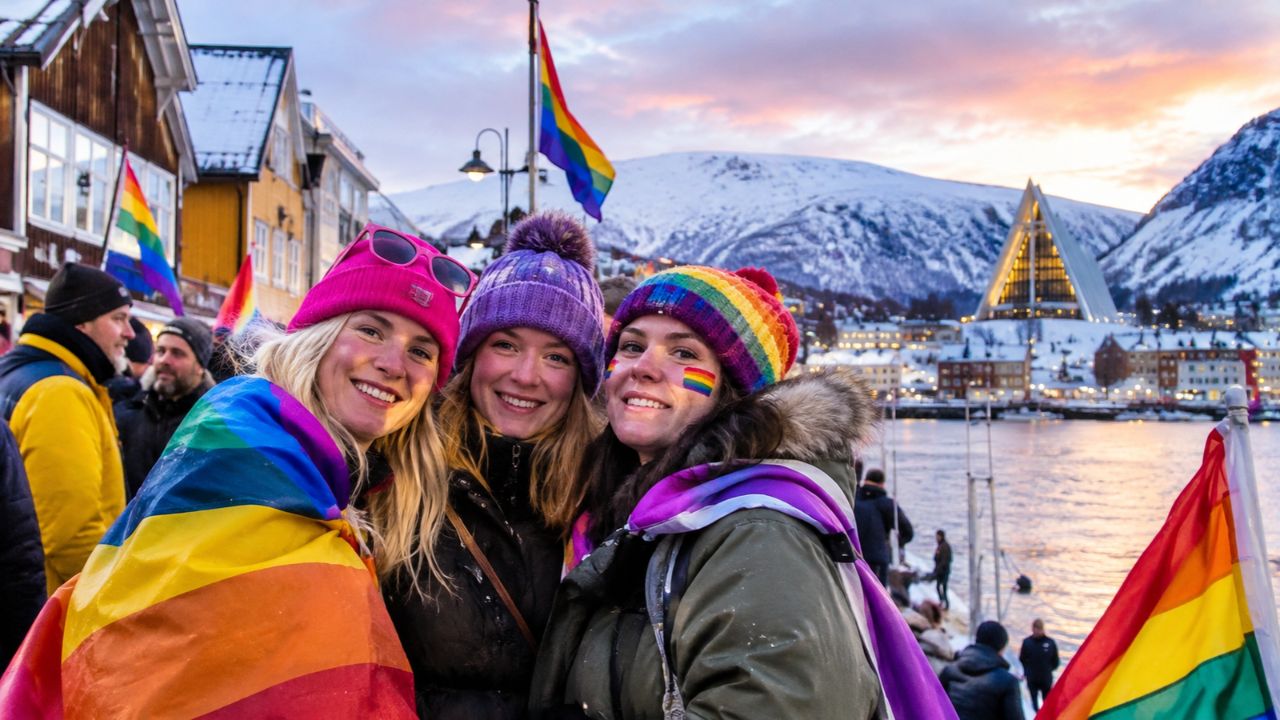
United Kingdom and Several Nations Entice Travellers With Winter Solstice Wonders

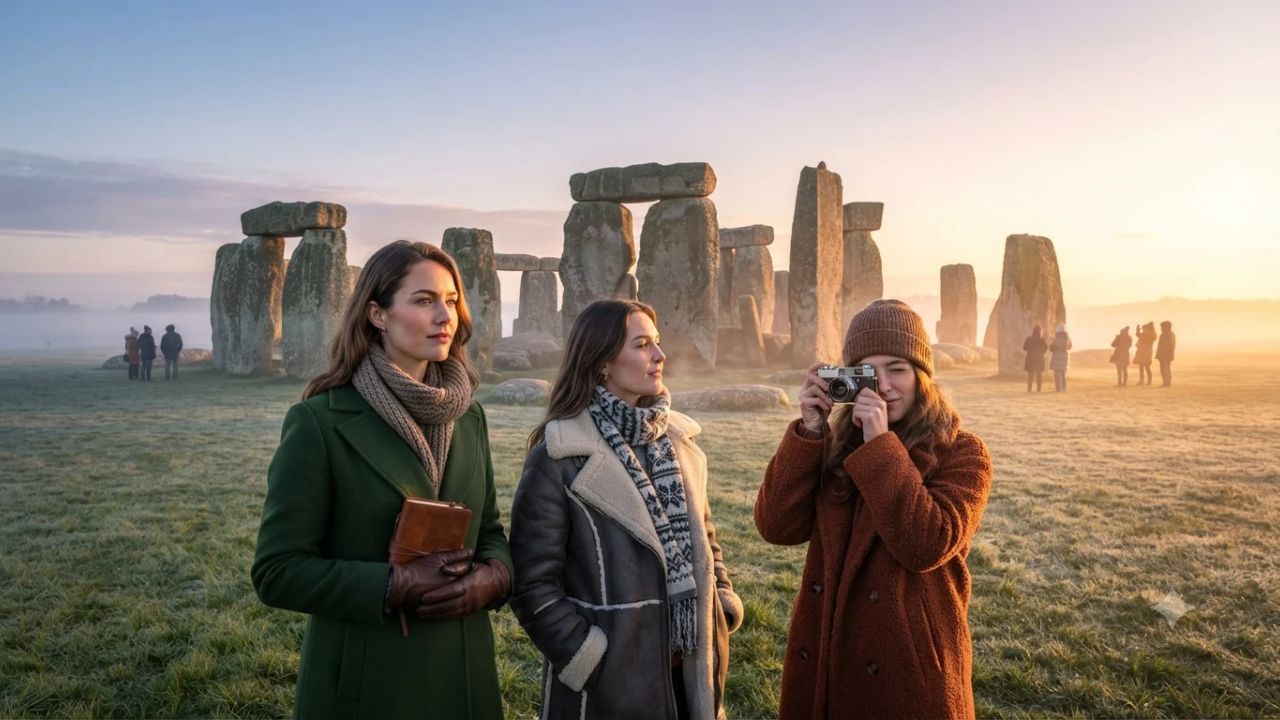
Across the Northern Hemisphere, midwinter marks a profound turning point in the solar cycle, inspiring ancient monuments, radiant candlelight processions, and community fire rituals that connect modern holidaymakers with centuries of living culture. The United Kingdom, Ireland, and seven continental European nations are transforming seasonal heritage into compelling cultural tourism escapes that extend far beyond standard holiday retail markets. From the megalithic solar alignments at Stonehenge and Newgrange to illuminated kayak flotillas in Copenhagen and ancestral Yule log burnings in Rīga, Europe's winter solstice wonders provide international travelers with an authentic, astronomically grounded alternative for their year-end holiday journeys.
For centuries, the astronomical winter solstice—occurring when the Earth's axial tilt turns the Northern Hemisphere furthest from the sun—has stood as a sacred threshold between dwindling darkness and the promise of lengthening days. Falling astronomically on 21 December 2026, with communal and spiritual celebrations concentrating between 13 December and 22 December, this celestial milestone anchors some of the world's most sophisticated prehistoric engineering feats and deeply evocative folk traditions.
Modern cultural travelers are demonstrating heightened interest in seasonal experiences that combine archaeological wonder, atmospheric folklore, and regional culinary heritage. Rather than confining winter journeys to conventional ski resorts or commercial Christmas markets, travelers are heading toward windswept chalk downs, Neolithic burial mounds, historic cathedrals, and frost-rimmed Baltic squares to witness humanity’s enduring fascination with the sun.
EUROPEAN WINTER SOLSTICE HERITAGE CORRIDOR (2026)
| Column 1 |
|---|
| +--------------------------+ +--------------------------+ |
| +--------------------------+ +--------------------------+ |
| +-------------------+--------------------+ |
| v |
| +--------------------------+ |
| +--------------------------+ |
The Astronomy of Midwinter: Why the Solstice Inspires Cultural Travel
The winter solstice represents the astronomical moment when the sun reaches its lowest maximum daily elevation in the sky, producing the shortest interval of daylight and the longest night of the calendar year. In 2026, the astronomical solstice occurs on Monday, 21 December. Across Europe, however, midwinter celebrations span a generous window throughout December, uniting prehistoric solar alignments with Christian liturgical feasts like Saint Lucia's Day and indigenous pre-Christian European folklore.
For prehistoric pastoral societies, midwinter was not simply an astronomical curiosity; it was an essential survival threshold. Cattle were culled so they would not need feeding through barren winter months, meat was preserved, and newly fermented wine and beer were ready for consumption. Most importantly, the solstice signaled that the darkest period of winter had crested and that the life-giving warmth of the sun would gradually return.
Today, this ancient astronomical consciousness forms the foundation of a growing niche in cultural tourism: archaeoastronomy travel. Discerning travelers seek out destinations where prehistoric builders calculated solstices with astonishing mathematical and engineering accuracy thousands of years before the invention of modern optical instruments.
EUROPE'S NINE SIGNATURE WINTER SOLSTICE DESTINATIONS (2026)
| Entity / Facility | Delays | Cancellations | Details |
|---|---|---|---|
| Country | Signature Destination | Cultural Experience | 2026 Travel Dates |
| United Kingdom | Stonehenge (Wiltshire) | Solar Alignment & | 22 December 2026 |
| Dawn Gathering | (Sunrise 8:09 am) | ||
| Ireland | Newgrange (Meath) | Megalithic Chamber | 18-22 December |
| Brú na Bóinne | Illumination | (Lottery & Stream) | |
| Sweden | Stockholm, Lund, | Saint Lucia Light | 11-14 December |
| Uppsala, Vadstena | Processions & Choirs | (Peak 13 December) | |
| Finland | Helsinki (Cathedral & | Lucia Crowning & | 13 December 2026 |
| Senate Square) | Public Street Parade | (5:00 pm - 6:00 pm) | |
| Denmark | Copenhagen | Illuminated Canals | 13 December 2026 |
| (Nyhavn / Harbor) | Kayak Procession | (Evening) | |
| Norway | Oslo & Regional Hubs | Lussekatter Pastries | 13 December 2026 |
| & Candlelight Walks | |||
| Czechia | Prague, Rožnov pod | Advent Folklore, | Throughout |
| Radhoštěm, Zubrnice | Barborky & Carols | December 2026 | |
| Poland | Kraków, Warsaw, | Szopki Nativity & | Mid-December to |
| Wrocław, Łowicz | Village Carolling | New Year | |
| Latvia | Rīga (Open-Air Museum | Ancient Yule Log | 19 & 21 December |
| & Old Town Square) | Dragging & Burning | 2026 |
United Kingdom: Prehistoric Solar Alignments at Stonehenge
Standing on the windswept chalk expanse of Salisbury Plain in Wiltshire, Stonehenge represents the world's most famous prehistoric monument associated with seasonal solar movements. While thousands flock to Stonehenge for the summer solstice, archaeological evidence suggests that the winter solstice was arguably far more significant to the Neolithic builders who erected the monumental sarsen stones and bluestones around 2500 BC.
The entire architectural axis of Stonehenge is meticulously oriented along the solstitial corridor. Looking southwest from the Avenue through the Great Trilithon, the monument frames the setting sun on the shortest day of the year. Conversely, looking toward the monument at midwinter dawn, the rising sun crests the horizon to cast its first direct rays straight through the core of the stone circle.
STONEHENGE WINTER SOLSTICE VISITOR DIRECTORY (2026)
| Category / Entity | Details / Impact |
|---|---|
| Field | Official Information & Advisory |
| Managing Authority | English Heritage |
| Geographic Location | Salisbury Plain, Wiltshire, England |
| Public Gathering Date | Tuesday, 22 December 2026 |
| Anticipated Dawn / Sunrise | Approximately 8:09 am GMT |
| Admission Fee | Free public access during designated solstice window |
| On-Site Vehicle Parking | SOLD OUT (Strict pre-booking required; no drive-ups) |
| Recommended Transport | Dedicated Solstice Bus Shuttles from Salisbury Rail |
| Primary Aviation Gateway | London Heathrow Airport (LHR) (approx. 75 miles east) |
| Digital Alternative | Official English Heritage Global Livestream (Dawn) |
Navigating the 2026 Stonehenge Solstice Gathering
English Heritage has confirmed that public access to the stones will be granted free of charge on the morning of Tuesday, 22 December 2026, marking the first sunrise following the astronomical solstice. Sunrise is projected at approximately 8:09 am GMT.
However, prospective visitors must heed strict logistics warnings. On-site vehicle parking permits for the visitor center sold out weeks in advance. English Heritage operates an unyielding zero-tolerance policy toward private vehicles arriving without confirmed advance parking reservations; unauthorized vehicles will be turned away by traffic wardens on the surrounding A303 and A360 corridors.
To accommodate independent travelers, dedicated public transport links operate directly from Salisbury Railway Station. Special double-decker Salisbury Reds solstice buses run continuously from the rail station to the Stonehenge visitor drop-off point throughout the pre-dawn hours. Travelers arriving from London Waterloo via South Western Railway can take early morning trains into Salisbury, connect directly with the solstice shuttle, and walk up to the stones alongside Druid celebrants, neo-pagans, musicians, and international travelers.
For those unable to secure transit or travel to Wiltshire in person, English Heritage provides a high-definition global livestream across its digital channels, capturing the sunrise in real time from inside the inner stone circle.
Ireland: The Sacred Megalithic Illumination of Newgrange
Across the Irish Sea in County Meath, Ireland hosts an even older and architecturally more astonishing winter solstice marvel: the passage tomb of Newgrange (Sí an Bhrú). Constructed around 3200 BC—predating both Stonehenge and the Great Pyramids of Giza by several centuries—Newgrange forms the centerpiece of the Brú na Bóinne UNESCO World Heritage landscape along the River Boyne.
Unlike Stonehenge, which celebrates the external landscape alignment, Newgrange was engineered to direct sunlight deep into the subterranean darkness of an ancient burial chamber. The mound covers roughly an acre, framed by 97 massive kerbstones engraved with enigmatic Neolithic megalithic art, including the famous three-spiral triskele motif.
NEWGRANGE SOLSTICE ILLUMINATION MECHANICS
| Column 1 |
|---|
| Rising Sun at Midwinter Dawn (Dec 18 - 22) |
| \ |
| \ +-------------------------+ |
| +-------------------------+ |
| v Sunlight penetrates 19-meter passage |
| ==================================================================== |
| [Outer Entrance] [Cruciform Chamber] |
| ==================================================================== |
| v |
| Chamber Floor & Carved Basin |
| Illuminated for ~17 Minutes |
The Roof-Box Miracle: 17 Minutes of Golden Light
Above the main entrance portal sits an ingenious architectural innovation known as the "roof-box." At dawn between 18 December and 22 December, as the sun rises above the Red Mountain ridge across the Boyne Valley, its rays penetrate through this specialized rectangular opening.
The beam of sunlight travels down a rising 19-meter stone passage and enters the central cruciform burial vault. For approximately seventeen minutes, the golden morning light illuminates the stone floor, creeping toward the rear recess to touch the intricately carved stone basin. As the sun ascends higher into the sky, the beam narrows and slips away, plunging the inner sanctum back into darkness for another year.
NEWGRANGE VISITOR LOTTERY STATISTICS (2026)
| Parameter | Recorded Metric / Detail |
|---|---|
| Archaeological Age | Circa 3200 BC (Over 5,200 years old) |
| Solar Alignment Dates | 18 December to 22 December annually |
| Illumination Duration | Approximately 17 minutes per clear morning |
| Total 2026 Lottery Entries | 34,263 applications from worldwide applicants |
| Successful Lottery Winners | 38 individual entrants selected |
| Total Chamber Guests | 76 attendees (38 winners + 1 guest each) |
| Managing Body | National Monuments Service / OPW Heritage Ireland |
| International Gateway | Dublin Airport (DUB) (approx. 30 miles south) |
The Annual Solstice Lottery
Due to the fragile microclimate inside the ancient tomb and extreme space constraints, physical entry into the chamber during solstice mornings is strictly restricted. The Office of Public Works (OPW) and Heritage Ireland manage access through an annual free international lottery.
For the December 2026 solstice, Heritage Ireland recorded 34,263 lottery entries submitted by travelers and heritage enthusiasts from across the globe. From this massive applicant pool, exactly 38 winners were drawn, each permitted to bring one guest, resulting in an elite total of 76 visitors allocated across the five sunrise mornings (roughly 15 people per dawn).
While chamber entry during the solstice dawn is restricted to lottery winners, the Brú na Bóinne Visitor Centre and surrounding grounds remain open to the traveling public for guided daytime exhibitions. Additionally, Heritage Ireland broadcasts the solar illumination live across international digital streams on the morning of 21 December, allowing hundreds of thousands worldwide to observe the phenomenon.
Scandinavia: Illuminating Midwinter with Saint Lucia Processions
Across the Nordic nations, midwinter travel revolves around the transformative symbolism of light conquering darkness. Prior to the adoption of the Gregorian calendar in the 18th century, Saint Lucia's Day on 13 December coincided precisely with the winter solstice. Today, Sweden, Finland, Denmark, and Norway maintain breathtaking midwinter ceremonies honoring Saint Lucia, transforming dark Scandinavian winter mornings into radiant cultural pageants.
Sweden: Choral Splendor in Historic Cathedrals
In Sweden, Luciafirande represents one of the country's most cherished cultural traditions. In cities and rural towns across the nation, choirs dressed in flowing white gowns with red sashes process through historic churches and public spaces. At the head of each procession walks a young woman portraying Lucia, crowned with a wreath of lingonberry greens holding glowing candles.
According to updated travel guidance from Visit Sweden, travelers can experience world-class Lucia choral performances in major urban cathedrals:
- Lund Cathedral (Lunds Domkyrka): This majestic 12th-century Romanesque cathedral hosts celebrated choral concerts from 11 to 13 December 2026, where the historic stone vaults amplify ethereal acoustics.
- Uppsala Cathedral (Uppsala Domkyrka): Scandinavia’s tallest religious structure hosts multiple concerts on 13 and 14 December, featuring children's choirs, organ recitals, and traditional folk music.
- Vadstena Abbey Church: The historic lakeside town of Vadstena has been selected to host Sweden’s prestigious 2026 nationally televised Lucia concert, drawing choral enthusiasts from across the nation.
Culinary traditions form an inseparable part of Swedish Lucia celebrations. Bakeries and cafes serve lussekatter—delicate, S-shaped yeast buns infused with golden saffron and studded with dark raisins—traditionally accompanied by steaming mugs of spiced glögg (mulled wine) and ginger biscuits (pepparkakor).
NORDIC MIDWINTER CULTURAL PROCESSIONS MATRIX
| Entity / Route | Metrics | Operational Status |
|---|---|---|
| Country | Primary Event Date | Distinctive Cultural Features |
| Sweden | 13 December | White-robed choirs; lingonberry wreaths; |
| (Cathedrals 11-14) | Saffron lussekatter buns and warm glögg | |
| Finland | 13 December | Cathedral crowning at 5 pm; public carriage |
| (Annual Tradition) | procession through Senate Square at 6 pm | |
| Denmark | 13 December | 500+ illuminated kayaks paddling through |
| (Nyhavn & Canals) | Copenhagen harbor canals singing carols | |
| Norway | 13 December | Community candlelight walks; school choirs; |
| (Oslo & Bergen) | Traditional saffron bakery specialties |
Finland: The Helsinki Cathedral Crowning and Senate Square Parade
In Finland, Saint Lucia's celebrations showcase the country’s vibrant Swedish-speaking cultural heritage. The national focal point is Helsinki Cathedral (Helsingin tuomiokirkko), whose neoclassical white facade and green domes rise prominently above Senate Square.
On the afternoon of 13 December 2026, thousands gather inside the cathedral and across Senate Square for the official coronation of Finland’s Lucia at 5:00 pm. Following the ceremony, Lucia descends the monumental cathedral steps at approximately 6:00 pm, boarding a horse-drawn carriage to lead a grand public parade through the historic heart of Helsinki. Accompanied by horseback guards, costumed elves (tontut), and musical bands, the procession moves down Aleksanterinkatu, offering free public viewing for families, residents, and international tourists.
Denmark: Copenhagen's Illuminated Kayak Flotilla
Denmark reimagines Scandinavian light traditions with a modern aquatic spectacle. On the evening of 13 December 2026, Copenhagen’s historic harbor and canals host the annual Saint Lucia Kayak Parade.
What began in 2006 as a small, informal gathering of just twelve kayakers has expanded into an internationally celebrated winter travel phenomenon. According to VisitDenmark, more than 500 kayaks decorated with elaborate fairy lights, glowing lanterns, and miniature Christmas trees now participate in the procession.
Paddling slowly through Nyhavn, Christianshavn, and Højbro Plads, the kayakers pause at historic bridges to sing traditional Lucia carols to thousands of spectators gathered along the waterfront embankments. The reflection of hundreds of floating lights dancing across the dark canal waters creates one of Europe's most visually enchanting winter travel experiences.
Norway: Oslo's Candlelight Gastronomy and Community Processions
In Norway, Lucia Day on 13 December emphasizes family warmth and culinary heritage. In Oslo and coastal cities like Bergen and Trondheim, early morning processions illuminate school halls, hospitals, and community squares as children sing the traditional Sankta Lucia melody.
For travelers, Norwegian bakeries (bakerier) showcase artisanal lussekatter baked with imported Persian saffron, cardamom, and fresh butter. Visitors exploring Oslo’s winter landscape can combine morning bakery tours with afternoon visits to the Munch Museum, the Viking Planet, and evening strolls through the Spikersuppa holiday market in the city center.
Central Europe: Ancient Folklore and Advent Customs in Czechia and Poland
In Central Europe, midwinter customs blend Christian Advent observances with ancient Slavic folklore honoring the winter solstice. Czechia and Poland offer travelers access to winter traditions deeply rooted in rural craftsmanship, sacred folk theatre, and agricultural superstitions.
Czechia: The Rites of Saint Barbara and Open-Air Heritage
In Czechia, winter traditions begin weeks before Christmas with the Feast of Saint Barbara on 4 December, a custom holding direct symbolic links to the winter solstice. On this day, locals cut branches from sweet cherry trees—known as barborky—and place them in water indoors. If the branch blooms into green leaves and white blossoms before Christmas Eve, it symbolizes good fortune, vitality, and the guaranteed rebirth of nature following the solstice.
Travelers exploring Czechia’s winter heritage can venture beyond Prague’s Old Town Square to visit celebrated open-air folk museums (skansen):
- Rožnov pod Radhoštěm: Situated in the Moravian-Silesian foothills, the Wallachian Open-Air Museum preserves wooden timber farmsteads and hosts winter demonstrations of sheep-tallow candle making, gingerbread baking, and ancestral folk songs.
- Zubrnice Open-Air Museum: Located in Northern Bohemia, Zubrnice showcases traditional rural winter life, historical hop drying, and wood-carving techniques.
- Třešť: Famous across Europe for its multi-generational nativity woodcarving tradition, where local families open their private living rooms to traveling visitors to display elaborate hand-carved miniature landscapes.
Poland: Kraków’s Carollers, Szopki Craftsmanship, and Slavic Solstice Rites
Poland’s December celebrations merge vibrant folk music, religious devotion, and ancient customs. In historical Slavic traditions, the winter solstice was celebrated as Szczodre Gody ("The Generous Feasts"), an occasion marking the triumph of the solar deity Swaróg over darkness.
In modern Poland, these customs survive through the colorful traditions of kolędnicy (village carollers) who process through rural towns and historic centers dressed in elaborate costumes representing angels, devils, animals, death, and the radiant Star of Bethlehem.
In Kraków, the cultural capital, the festive season is anchored by the historic Kraków Cribs (szopki krakowskie). Recognized on UNESCO’s Representative List of the Intangible Cultural Heritage of Humanity, these extraordinary hand-built nativity castles incorporate miniature replicas of Kraków’s Gothic and Renaissance spires, made from wood, cardboard, and colorful metallic foils. Visitors strolling through Kraków’s Rynek Główny (Main Market Square) can observe costumed carolling performances, purchase traditional ceramic crafts, and enjoy hot bowls of barszcz z uszkami (beetroot soup with wild mushroom dumplings) and grilled oscypek cheese served with cranberry preserve.
The Baltic Solstice: Latvia’s Ancient Fire Rituals in Rīga
For travelers seeking a winter solstice experience that preserves unadulterated pre-Christian Baltic heritage, Latvia provides one of Europe’s most authentic cultural encounters. Known in Latvian as Ziemssvētki (literally "Winter Festival"), the solstice in Latvia represents a time of spiritual rebirth, purification, and renewal.
LATVIAN WINTER SOLSTICE CELEBRATION SCHEDULE (2026)
| Category / Entity | Details / Impact |
|---|---|
| Feature / Parameter | Verified Event Details |
| Event 1: Open-Air Museum | Saturday, 19 December 2026 |
| Event 1 Operating Hours | 11:00 am to 3:00 pm EET |
| Museum Admission Fee | €4.00 per adult |
| Event 2: Old Town Rīga | Monday, 21 December 2026 |
| Event 2 Starting Time | 6:00 pm EET (Procession begins at Town Hall Square) |
| Old Town Admission Fee | Free public admission |
| Core Cultural Ritual | Yule Log Dragging (bluķa vilkšana) & Bonfire Burn |
| Traditional Folklore Groups | Masked Mummers (čigāni, vilki, dzērves) |
| International Gateway | Rīga International Airport (RIX) |
The Ancient Ritual of Yule Log Dragging (Bluķa Vilkšana)
The central ceremony of the Latvian winter solstice is the dragging and burning of the Yule log (bluķa vakars). According to Baltic folklore, a heavy oak log is rolled through the village or neighborhood, symbolically gathering up all the past year’s misfortunes, illnesses, griefs, and bad deeds from every household along its path.
The ritual culminates in an open square, where the log is cast into a roaring bonfire and reduced to ashes. As the log burns, all accumulated negativity is destroyed, clearing the path for renewed health, fertility, and prosperity as the new solar year dawns.
Official 2026 Celebrations in Rīga
According to the official tourism platform of Rīga, international travelers can witness and participate in two distinct solstice events in 2026:
- Latvian Ethnographic Open-Air Museum (Latvijas Etnogrāfiskais brīvdabas muzejs): On Saturday, 19 December 2026, from 11:00 am to 3:00 pm, this vast pine-forested lakeside museum hosts traditional log-dragging rituals across authentic 18th-century farmsteads. Folk ensembles perform ancient dainas (poetic Latvian folk songs), lead traditional circle dances, and demonstrate beeswax candle dipping. Admission is €4.00.
- Old Town Rīga (Vecrīga): On the evening of the astronomical solstice—Monday, 21 December 2026—celebrations move to the medieval heart of the capital. Beginning at 6:00 pm at Town Hall Square (Rātslaukums), folk performers dressed in traditional animal and mythological masks lead a public procession through cobblestone streets, pulling a massive log behind them. The procession ends at Dome Square (Doma laukums), where the log is torched amidst choral singing, bagpipe music, and public dancing. Admission is free, and spectators are actively encouraged to join hands in the circle dances around the fire.
Strategic Aviation Gateways and European Winter Transit Corridors
Planning a multi-country or regional winter solstice journey requires an understanding of Europe's primary aviation hubs, rail networks, and winter transport corridors.
EUROPEAN WINTER SOLSTICE AVIATION NETWORK
| Column 1 |
|---|
| Intercontinental Gateways: |
| [North America / Asia / Middle East] |
| +---------------------------------------+ |
| v v |
| Western & Atlantic Hubs: Nordic & Baltic Gateways: |
| - London Heathrow (LHR) - Stockholm Arlanda (ARN) |
| -> Rail to Salisbury & Stonehenge -> Train to Lund & Uppsala |
| - Dublin Airport (DUB) - Helsinki-Vantaa (HEL) |
| -> M1 Motorway to Brú na Bóinne -> Metro to Senate Square |
| - Copenhagen Kastrup (CPH) |
| -> Metro to Nyhavn Canals |
| - Rīga International (RIX) |
| -> Bus to Old Town & Open-Air Museum |
Gateway Analysis for Winter Solstice Travelers
- London Heathrow (LHR): The prime gateway for Stonehenge. Travelers can board the Heathrow Express into central London or take express National Express coach services directly from Heathrow to Salisbury, bypassing central London traffic entirely.
- Dublin Airport (DUB): Positioned just 30 miles south of the Brú na Bóinne archaeological complex in County Meath. Direct highway connections via the M1 and regional bus links via Drogheda make day trips straightforward.
- Stockholm Arlanda (ARN): Sweden’s central hub offers high-speed Arlanda Express train connections into Stockholm Central Station in 18 minutes, as well as direct SJ intercity rail links north to Uppsala in under 20 minutes.
- Helsinki-Vantaa (HEL): Known for reliable winter operations in heavy snowfall, Helsinki Airport connects directly to the central railway station via commuter rail lines in approximately 30 minutes.
- Copenhagen Kastrup (CPH): Located immediately adjacent to the capital, Copenhagen Airport offers a 12-minute direct metro connection into downtown Kongens Nytorv, placing travelers steps from Nyhavn’s illuminated kayak canals.
- Rīga International (RIX): The Baltic region’s busiest airport offers extensive connections across Europe via airBaltic. Public bus line 22 connects the terminal to Old Town Rīga in 20 minutes.
Essential Practical Planning: Overcoming Winter Solstice Travel Challenges
While winter solstice travel offers extraordinary cultural and spiritual rewards, it also presents unique environmental and operational challenges that demand proactive preparation.
WINTER SOLSTICE TRAVEL ADVISORY & PREPARATION
| Category / Entity | Details / Impact |
|---|---|
| Challenge | Recommended Travel Strategy & Mitigation |
| Limited Daylight | In Northern Europe, daylight spans only 5.5 to 7.5 hours. |
| Schedule outdoor ruins (Stonehenge, Newgrange) early; dedicate | |
| dark afternoons to cathedrals, museums, and night processions. | |
| Freezing Weather | Sub-zero temperatures and icy winds are common. Pack technical |
| thermal base layers, fleece mid-layers, windproof parkas, | |
| waterproof thermal boots, wool socks, and insulated gloves. | |
| Sold-Out Permits | Parking at Stonehenge and tickets for cathedral concerts sell |
| out weeks in advance. Use public shuttle buses and book church | |
| admissions through official ticketing platforms promptly. | |
| Monument Capacity | Highly protected Neolithic chambers (Newgrange) have strict |
| lottery entry caps. Maintain flexible plans to view digital | |
| livestreams and explore surrounding archaeological landscapes. |
Managing Extremely Limited Daylight
In Scandinavia and the Baltic nations during midwinter, daylight hours shrink drastically. In Stockholm and Rīga, sunrise occurs around 8:45 am and sunset arrives before 3:15 pm, providing barely six hours of indirect daylight. In Helsinki, the daylight window is even shorter.
Travelers must structure their itineraries around these solar constraints. Outdoor architectural walking tours and photographic explorations of ancient ruins must be completed between 9:30 am and 2:30 pm. Conversely, travelers should reserve late afternoons and evenings for indoor cathedral concerts, atmospheric Christmas markets, museum visits, and illuminated night parades.
Technical Cold-Weather Dressing
Standing outdoors in pre-dawn fields at Stonehenge or waiting along the canal embankments of Copenhagen requires serious cold-weather attire. Moisture-wicking merino wool base layers are essential to keep skin dry. Over base layers, travelers should wear insulating fleece or down mid-layers, topped with a windproof and waterproof exterior shell. Footwear is especially critical: insulated, waterproof boots with thick rubber lug soles are necessary to prevent heat loss through frozen turf and stone cobblestones.
Comprehensive Frequently Asked Questions
When does the astronomical winter solstice occur in 2026?
The astronomical winter solstice takes place on Monday, 21 December 2026, in the Northern Hemisphere. However, associated cultural festivals, choral processions, and heritage gatherings span across mid-December, beginning with Saint Lucia’s Day on 13 December and culminating in prehistoric dawn gatherings at Stonehenge on Tuesday, 22 December 2026.
Is entry to Stonehenge free during the winter solstice?
Yes, English Heritage provides free public admission to the stones on the morning of Tuesday, 22 December 2026, with sunrise occurring at approximately 8:09 am GMT. However, on-site vehicle parking reservations have completely sold out. Visitors without pre-booked parking permits must utilize public transport, specifically the dedicated solstice shuttle buses operating directly from Salisbury Railway Station.
How can travelers experience the winter solstice sunrise at Newgrange in Ireland?
Physical access into the central burial chamber of Newgrange during the solstice sunrise (18–22 December) is determined strictly by an annual free public lottery managed by Heritage Ireland. For the 2026 solstice, 38 winners were selected from 34,263 worldwide applications. Travelers who did not win the lottery can explore the surrounding Brú na Bóinne visitor exhibitions, take standard daytime guided tours on non-solstice dates, or watch the official sunrise livestream broadcast globally on 21 December.
What is the significance of the Saint Lucia celebrations in Scandinavia?
Observed annually on 13 December across Sweden, Finland, Denmark, and Norway, Saint Lucia’s Day marks the historic solstice under the pre-Gregorian calendar. The celebration symbolizes the return of light in the deepest darkness of winter. Celebrations feature white-gowned choral processions crowned with glowing candles, traditional saffron yeast buns (lussekatter), warm mulled wine (glögg), and illuminated public parades.
Where can travelers participate in authentic Baltic fire rituals?
Rīga, Latvia, hosts traditional Yule log dragging and burning ceremonies (bluķa vakars). In 2026, events take place at the Latvian Ethnographic Open-Air Museum on Saturday, 19 December (€4 admission, 11:00 am–3:00 pm), and in medieval Old Town Rīga on Monday, 21 December (free admission, starting at 6:00 pm at Town Hall Square). Visitors are welcome to join masked folk dancers and assist in dragging the log to the bonfire.
How does winter solstice tourism benefit regional European economies?
Winter solstice tourism diversifies Europe’s seasonal travel economy by distributing visitor spending beyond overcrowded holiday shopping districts and alpine ski hubs. It directs international travelers into regional heritage towns such as Salisbury in Wiltshire, Drogheda in County Meath, Lund in southern Sweden, and the open-air heritage museums of Czechia and Latvia, providing vital economic support for regional hotels, transport operators, artisanal craftspeople, and independent restaurants.
Related Travel Guides
- Vietnam December Travel: Ten Year-End Holiday Escapes Across Scenic Regions
- Bahrain Grand Prix 2027: Ticket Savings, Historic Sprint Race, and Sakhir Travel Guide
- Sweden and Italy Propel Ireland Tourism Demand Toward 10 Billion Euro Vision
- Saudi Arabia Visa Requirements: Gambian Citizens, Tourist eVisa Pathways, and Consular Rules
This article is for informational purposes. Flight routes, passenger regulations, visa rules, and transit advisories are subject to change by airlines and aviation authorities. Readers are advised to verify schedules and travel documentation with relevant carriers and border agencies before departure.
Related Stories

Bahrain Offers Ticket Savings for Historic 2027 Formula 1 Sprint
Thailand’s Loy Krathong and Yi Peng 2026 Drive 6-Billion-Baht Cultural Tourism Surge Across Six Signature Provinces