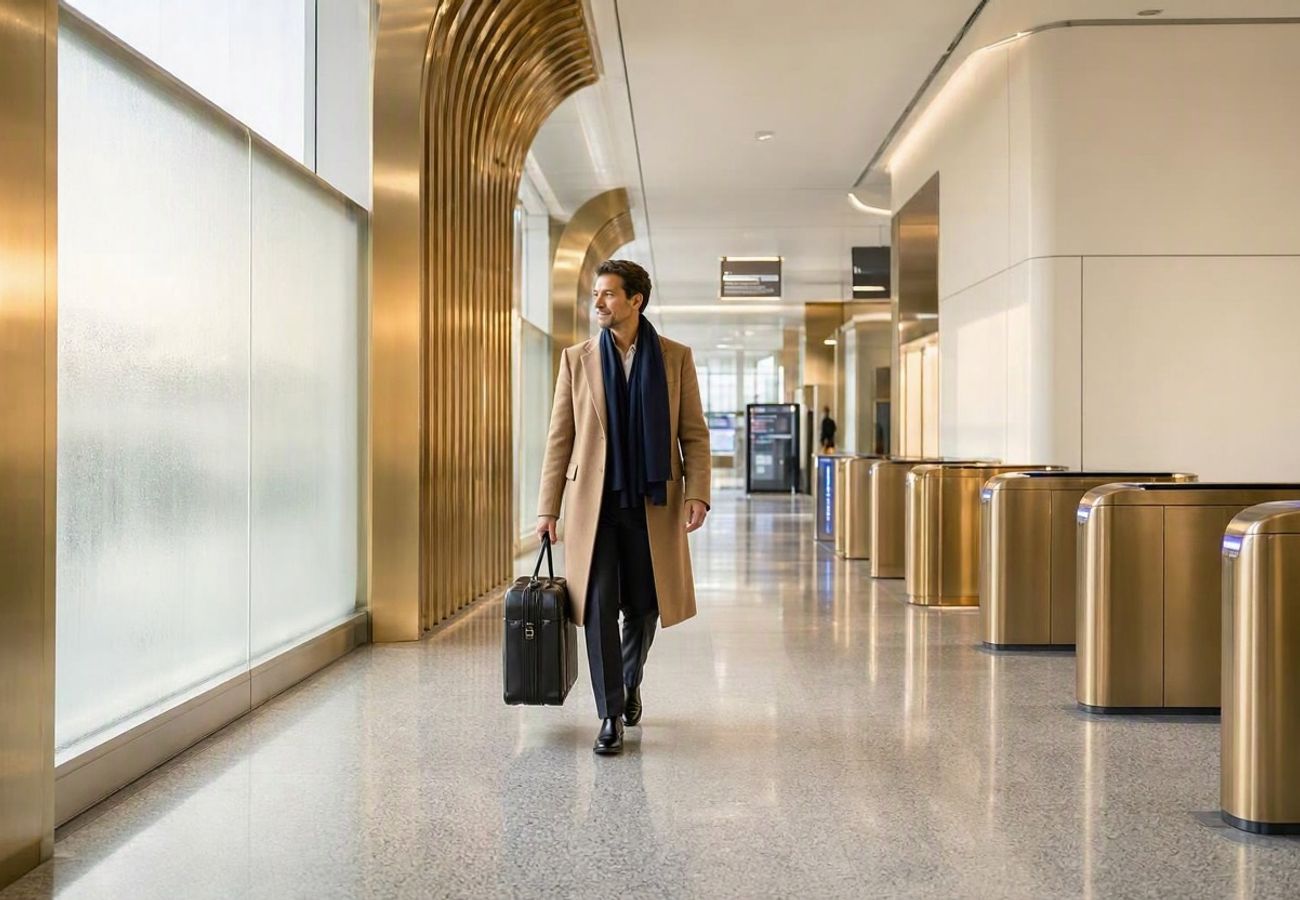
UK Airports Deploy Contactless eGates at Heathrow and Gatwick to Boost Border Speed by 25% in 2026

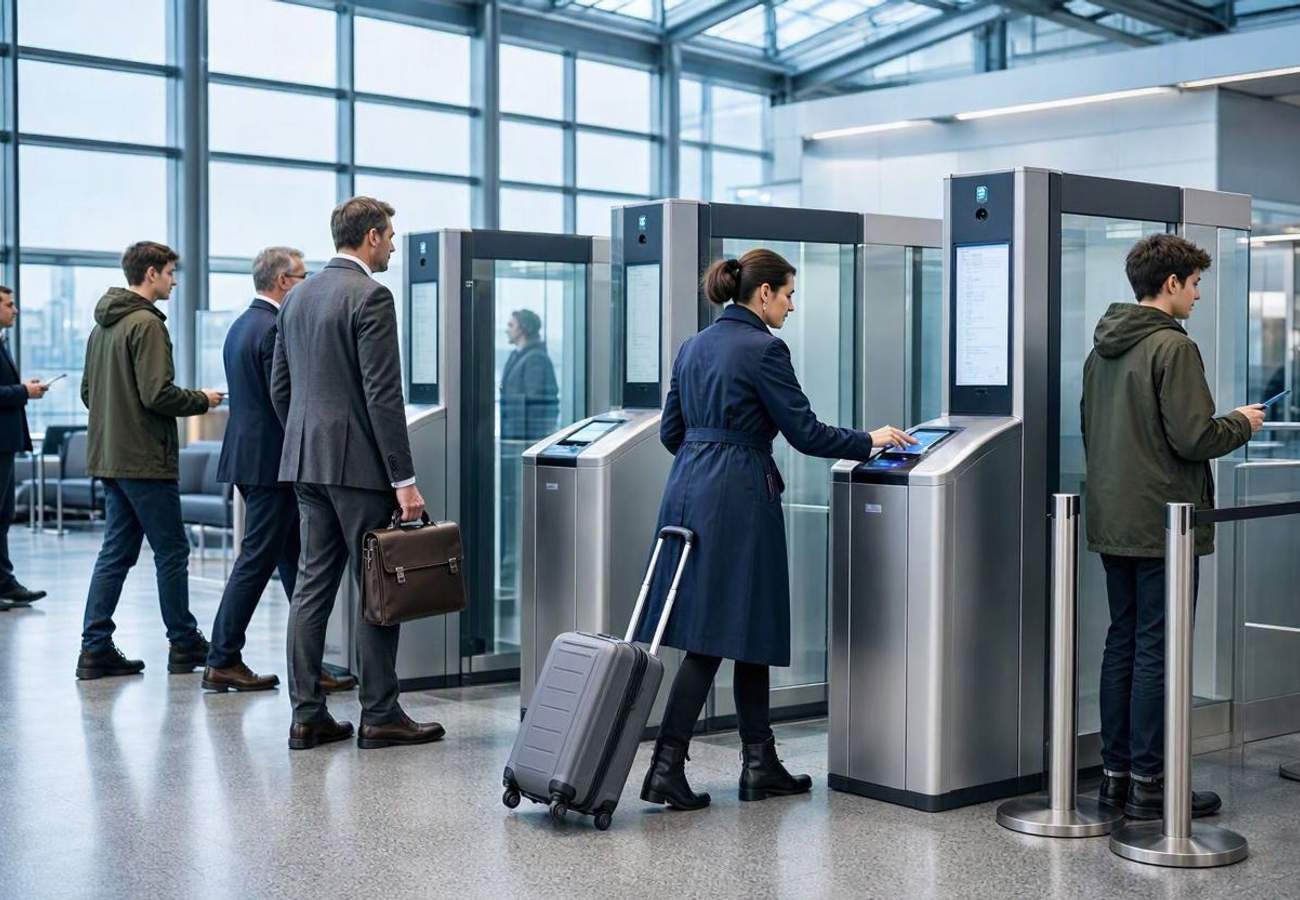
Image generated by AI
A 25% increase in processing speed is the primary benchmark for the United Kingdom's new contactless eGate system, which began its phased rollout on 6 October 2026. By removing the requirement for eligible passengers to physically place their passports on a scanner, the UK government aims to eliminate a significant friction point in the arrivals process, potentially easing congestion during peak travel windows.
The Shift to Biometric-First Border Control
The transition represents a move from "document-first" to "identity-first" verification. Under the legacy system, the physical passport served as the primary trigger for the eGate. The new architecture utilizes high-resolution cameras to capture a live facial image as the traveler approaches. This image is then cross-referenced against verified passport and immigration data held in government databases.
While the technology streamlines the physical movement of passengers, the UK Home Office maintains that security protocols remain unchanged. The digital transformation is primarily a software upgrade to existing infrastructure, meaning the UK is not replacing its physical gates but rather enhancing the intelligence behind them.
Phased Deployment and Airport Integration
The rollout began at East Midlands Airport, serving as the initial testing ground. From there, the technology is expanding to the UK's most high-traffic hubs. The government expects full implementation across the designated network by early 2027.
UK Airport Contactless Integration Timeline
| UK Airport | Deployment Status | Expected Full Integration |
|---|---|---|
| East Midlands | Initial deployment underway | 2026 |
| Heathrow | Phased rollout | Early 2027 |
| Gatwick | Phased rollout | Early 2027 |
| Manchester | Phased rollout | Early 2027 |
| Stansted | Phased rollout | Early 2027 |
| Luton | Phased rollout | Early 2027 |
| Birmingham | Phased rollout | Early 2027 |
| Edinburgh | Phased rollout | Early 2027 |
| Glasgow | Phased rollout | Early 2027 |
| Bristol | Phased rollout | Early 2027 |
| Newcastle | Phased rollout | Early 2027 |
| Cardiff | Phased rollout | Early 2027 |
| London City | Phased rollout | Early 2027 |
Currently, the wider UK border network operates over 290 eGates across 15 different air and rail ports. However, the contactless upgrade is specifically targeted at these 13 airport locations.
Expert Analysis: The Logistics of "Passport-Scan-Free" Travel
For travelers booking flights into London or Manchester, the direct consequence of this rollout is a reduction in "dwell time" within the immigration hall. However, a critical legal distinction exists: this is passport-scan-free processing, not passport-free travel.
The pricing and operational pressure on UK airports—particularly during Christmas and school holiday peaks—often stems from the bottleneck at immigration. By increasing throughput by 25%, the International Air Transport Association (IATA) standards for passenger flow are more easily met, reducing the likelihood of passengers missing connecting flights or transport.
The primary risk for the traveler is "verification failure." If the live facial image does not match the stored biometric data—due to lighting, aging, or technical glitches—the system reverts to the traditional method. Travelers who pack their passports in checked luggage or deep inside carry-ons will face significant delays when the system requests a manual scan or a UK Border Force officer intervention.
Key Takeaways
- Speed Gains: Eligible passengers can clear immigration up to 25% faster than with traditional eGates.
- Mandatory Documentation: A valid physical passport must still be carried and accessible; the system is not a replacement for travel documents.
- Eligibility: Initial access is limited to British citizens, with other eGate-eligible nationalities (EU, USA, Canada, Australia, etc.) added progressively.
- Infrastructure: The project is a digital software upgrade to existing gates, not a total hardware replacement.
- Timeline: Full rollout across 13 major airports is expected by early 2027.
FAQ: UK Contactless eGates 2026
Do I still need my passport if the gate is contactless? Yes. You must carry a valid physical passport. It is required for airline boarding and will be necessary if the biometric system fails or if a Border Force officer requests a manual check.
Who is eligible to use the new contactless eGates? Currently, British citizens are the first group. Eligibility will expand to include holders of biometric passports from the EU, USA, Canada, Japan, South Korea, and other qualifying nations.
What happens if the facial recognition doesn't work? The system will prompt you to place your physical passport on the reader. If that fails, you will be referred to a Border Force officer for manual identity verification.
Are children allowed to use the contactless gates? Children must be at least eight years old and 120 centimeters tall. Those aged 8 to 17 must be accompanied by an adult.
The border is becoming invisible, but the legal requirement for documentation remains absolute.
Related Travel Guides
This article is for informational purposes. Flight routes, passenger regulations, visa rules, and transit advisories are subject to change by airlines and aviation authorities. Readers are advised to verify schedules and travel documentation with relevant carriers and border agencies before departure.
Related Stories
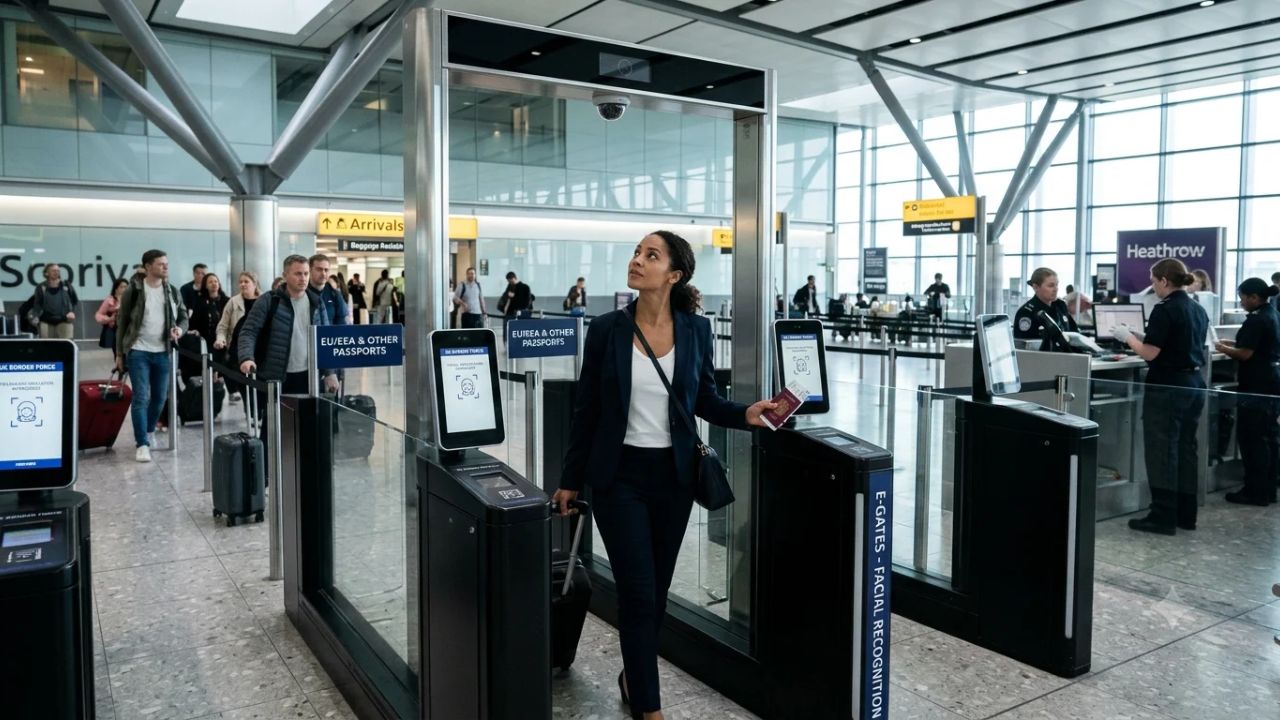
UK Airports Accelerate Border Processing as Contactless Facial Recognition E-Gates Expand to 13 Major Gateways

ASEAN Digital Travel Revolution: QR Payments and Biometric Borders Transform Southeast Asia 2026