
Typhoon Noul Disrupts Hong Kong International Airport Flights and Urban Transport in 2026
Typhoon Noul caused widespread flight disruptions at Hong Kong International Airport and halted urban transport, forcing global travelers to activate emergency contingency plans during the 2026 storm season.

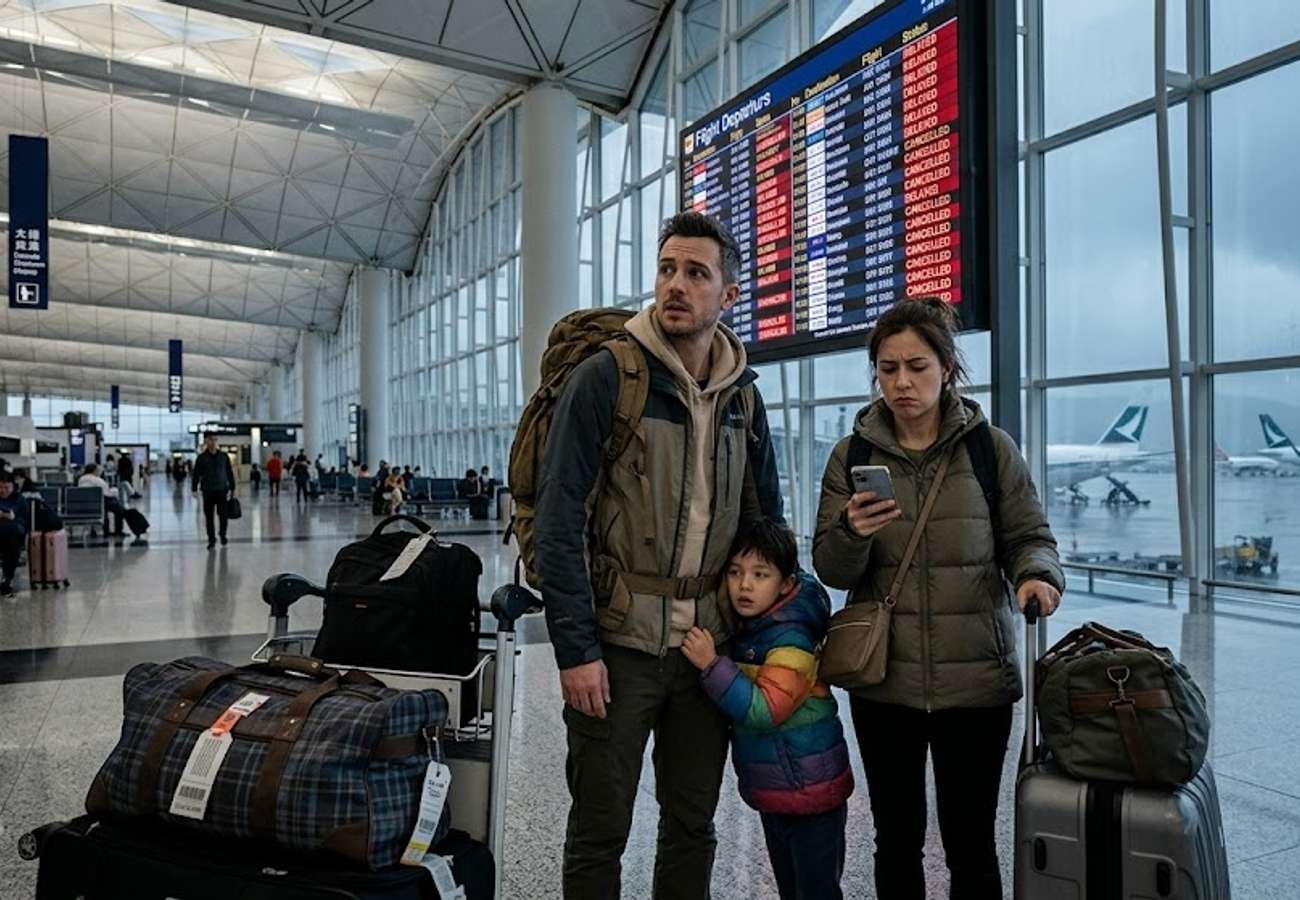
Image generated by AI
[Hong Kong, July 27, 2026] — Severe weather conditions triggered by Typhoon Noul have caused significant operational volatility across Hong Kong, resulting in widespread flight delays, suspended transport links, and urgent safety mandates for international visitors. The Hong Kong Observatory issued high-level warnings as the storm's rainbands and violent wind gusts swept through the territory, forcing airlines and city infrastructure operators to implement emergency protocols.
The storm's proximity to the city created a logistical bottleneck for thousands of passengers, particularly those utilizing the city as a primary hub for Asia-Pacific transit. While the system is designed for resilience, the sheer intensity of the weather necessitated a temporary shift in priority toward passenger safety over schedule adherence.
Operational Volatility at Hong Kong International Airport
The Airport Authority Hong Kong reported substantial challenges as Typhoon Noul interfered with aircraft movement and ground operations. Flight schedules were frequently adjusted or postponed, with several carriers implementing delays to comply with strict safety requirements during peak wind gusts.
For passengers, the impact was not limited to immediate departures. Those on complex itineraries involving connections to mainland China, Southeast Asia, or long-haul destinations faced a ripple effect of missed connections and disrupted hotel synchronization. Industry reports indicate that passengers were urged to verify their flight status via digital channels before attempting airport transfers to avoid becoming stranded at the terminal.
Urban Transport and City-Wide Mobility Shifts
Beyond the aviation sector, Typhoon Noul forced a reconfiguration of the city's transport network. Public safety mandates led to the temporary adjustment or suspension of ferry services, bus routes, and railway operations, specifically in zones vulnerable to flooding or falling debris.
Tourists attempting to visit high-traffic landmarks faced significant hurdles. Areas such as Victoria Harbour and various offshore islands became inaccessible as rough seas and gale-force winds made maritime travel hazardous. Local authorities advised all visitors to abandon waterfront activities and avoid high-ground viewpoints until the storm's intensity subsided.
Tourism Resilience Amidst Seasonal Weather Risks
Despite the immediate chaos caused by the storm, these disruptions occur against a backdrop of strong recovery in Hong Kong's tourism sector. Official data reveals a significant upward trend in international arrivals, signaling a robust return of global confidence in the city as a premier destination for dining, shopping, and cultural exchange.
The 2026 typhoon season serves as a reminder that weather-related volatility is a recurring variable for summer travel in the region. However, the speed with which the city restores its transport and aviation networks typically mitigates long-term economic damage to the tourism industry.
Essential Safety Protocols for International Visitors
For those navigating the region during the peak storm window, reliance on official communication is paramount. The Hong Kong Observatory remains the primary source for real-time alerts, while airline-specific notifications are the only reliable way to track flight changes.
From a logistical perspective, the following preparations are now considered essential for any traveler visiting during the summer months:
- Comprehensive Travel Insurance: Ensuring policies cover "natural disasters" or "weather-related disruptions" to recoup costs from canceled flights or hotels.
- Booking Flexibility: Utilizing refundable or changeable tickets to allow for itinerary shifts without financial penalty.
- Indoor Contingency Planning: Identifying museums, shopping malls, and cultural venues that provide safe harbor when outdoor attractions are closed.
Lingering Weather Risks and Coastal Warnings
Even as Typhoon Noul began to move inland toward Guangdong, the danger did not vanish instantly. The Hong Kong Observatory continued to warn of "squally showers" and thunderstorms triggered by the storm's outer rainbands.
Authorities specifically cautioned against returning to hiking trails or island excursions immediately after warning signals were lowered, as saturated ground and coastal instability pose ongoing risks to inexperienced travelers.
Infrastructure Adaptability and Future Planning
The systemic response to Typhoon Noul highlights the sophistication of Hong Kong's emergency management. The coordination between aviation authorities, emergency services, and transport operators ensures that the city can pivot from a state of emergency back to full operation in a remarkably short timeframe.
For the global travel trade, this event underscores the necessity of "dynamic planning." The ability to shift a tourist's itinerary from a harbor cruise to a gallery visit in real-time is what separates successful tour operators from those who suffer losses during the typhoon season.
Navigating the Hong Kong Typhoon Window
Travelers should be aware that the primary typhoon season typically spans from May to November, with the highest concentration of severe storms occurring in the peak summer months. Planning a visit during this window requires a mindset of adaptability.
While Typhoon Noul caused temporary instability, the city's world-class infrastructure and rigorous safety standards ensure that it remains one of Asia's most accessible and safe hubs once the weather clears.
The intersection of high-density urban tourism and extreme weather requires a proactive approach to risk management for every traveler.
Related Travel Guides
Disclaimer
This article is for informational and educational purposes only. It does not constitute legal, financial, or professional advice. While we strive to provide accurate and up-to-date information, travel policies, regulations, and conditions change rapidly. Always verify information with official sources before making travel decisions. Nomad Lawyer makes no representations about the accuracy, reliability, completeness, or suitability of the information provided. Readers should consult qualified professionals for advice specific to their circumstances. The views expressed in this article are those of the author and do not necessarily reflect the views of Nomad Lawyer.
Raushan Kumar
Founder & Lead Developer
Full-stack developer with 11+ years of experience and a passionate traveller. Raushan built Nomad Lawyer from the ground up with a vision to create the best travel and law experience on the web.
Learn more about our team →