
Typhoon Basyang Legacy Triggers Aviation Alerts for Philippine Airlines, Cebu Pacific, and AirAsia in Metro Manila and CALABARZON
Travelers face significant flight risks and airport disruptions across Luzon as the legacy of Typhoon Basyang alerts passengers to unpredictable storm paths affecting major Philippine carriers.

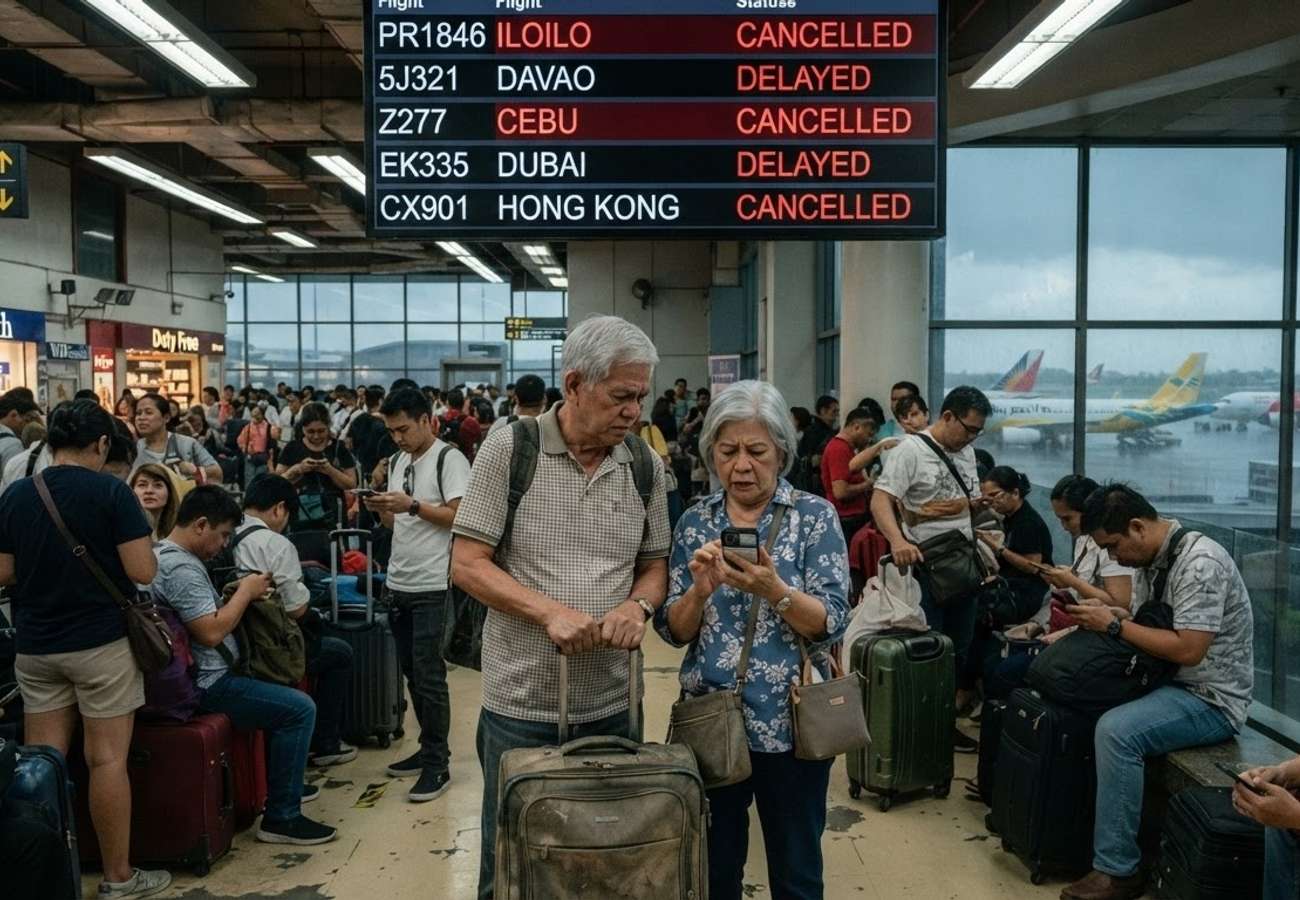
Image generated by AI
Severe weather patterns in the Philippines are triggering renewed aviation alerts across Quezon, CALABARZON, and Metro Manila. Passengers using Philippine Airlines, Cebu Pacific, and AirAsia Philippines are advised to prepare for sudden flight cancellations and operational shifts.
The current weather volatility recalls the historical precedent of Typhoon Basyang (internationally known as Typhoon Conson), which demonstrated the extreme unpredictability of storm trajectories in the region. In 2010, the system shifted unexpectedly from northern Luzon toward Quezon province and Metro Manila, causing widespread systemic failure in transport and aviation hubs.
Our analysis indicates that the western Pacific typhoon belt continues to pose a high risk to the Philippine Area of Responsibility, necessitating a flexible approach to travel planning for all international and domestic visitors.
Flight and Airport Impact Breakdown
Aviation disruptions are primarily concentrated around the Luzon region, with the following hubs and areas facing the highest risk:
- Ninoy Aquino International Airport (NAIA): As the primary international gateway, Metro Manila's hub is susceptible to aircraft movement restrictions, ground operation delays, and schedule volatility.
- Quezon Province: Critical landfall risks affecting coastal travel routes and regional flight paths.
- CALABARZON Region: Widespread disruptions affecting economic zones and tourism corridors.
- Batangas, Cavite, and Laguna: High probability of road closures and transport interruptions affecting airport transfers.
- Island Transfers: Immediate suspension of ferry services to island destinations during peak storm activity.
Carrier-Specific Passenger Advisory
Flight tracking systems and airline operational data suggest that the three major carriers will prioritize safety-led cancellations over attempted departures during severe weather.
| Airline | Operational Role | Passenger Action Required |
|---|---|---|
| Philippine Airlines | National Flag Carrier | Verify international and domestic schedules via official app/email. |
| Cebu Pacific | Primary Low-Cost Carrier | Monitor real-time rebooking announcements and cancellation notices. |
| AirAsia Philippines | Regional Budget Carrier | Allocate additional transit time for airport arrivals during weather alerts. |
Passenger Rights and Compensation Advisory
Passengers affected by weather-related disruptions in the Philippines should be aware of their rights and the standard operating procedures for aviation recovery:
1. Rebooking and Refunds Under standard aviation policies, if a flight is cancelled due to "force majeure" (extreme weather), airlines typically offer free rebooking on the next available flight. If a passenger chooses not to travel, they may be eligible for a travel fund or a partial refund, depending on the fare class.
2. Duty of Care While weather disruptions are often categorized as extraordinary circumstances, passengers should request food and communication vouchers if delays exceed four hours at the terminal.
3. Travel Insurance Claims Passengers are strongly advised to maintain digital copies of all boarding passes and official "Flight Cancelled" notices. Most comprehensive travel insurance policies cover "Trip Interruption" or "Trip Delay" due to natural disasters, provided the event was officially declared by the national meteorology center.
4. Practical Mitigation Steps
- Avoid tight connection windows when transitioning through Manila to island destinations.
- Confirm flight status directly with the carrier before departing for the airport to avoid being stranded at the terminal.
- Prioritize flexible accommodation options that allow last-minute date changes.
Industry Analyst View
The recurring volatility of the Typhoon Basyang legacy underscores a systemic vulnerability in the Philippines' aviation infrastructure. For carriers like Philippine Airlines and Cebu Pacific, the challenge is not merely the storm itself, but the "unexpected path" phenomenon where forecasts shift rapidly, leaving minimal time for aircraft rotations and crew rescheduling.
As the Philippines continues to grow as a global tourism hub, the industry must shift from reactive rescheduling to proactive climate resilience. The integration of higher-resolution forecasting technology is necessary to prevent the cascading delays that currently paralyze Metro Manila's aviation gateway during the rainy season.
Travelers are urged to monitor official government disaster agency updates and airline notifications to ensure safety and minimize financial loss.
Related Travel Guides
Disclaimer
This article is for informational and educational purposes only. It does not constitute legal, financial, or professional advice. While we strive to provide accurate and up-to-date information, travel policies, regulations, and conditions change rapidly. Always verify information with official sources before making travel decisions. Nomad Lawyer makes no representations about the accuracy, reliability, completeness, or suitability of the information provided. Readers should consult qualified professionals for advice specific to their circumstances. The views expressed in this article are those of the author and do not necessarily reflect the views of Nomad Lawyer.
Kunal K Choudhary
Co-Founder & Contributor
A passionate traveller and tech enthusiast. Kunal contributes to the vision and growth of Nomad Lawyer, bringing fresh perspectives and driving the community forward.
Learn more about our team →