
Saudia Boeing 787 Damages Philippine Airlines A320 at Manila Airport
A Saudia Boeing 787-9 collided with Philippine Airlines Airbus A320 tail during taxiing at Manila International Airport on July 8, 2026, forcing flight cancellation and stranding passengers.

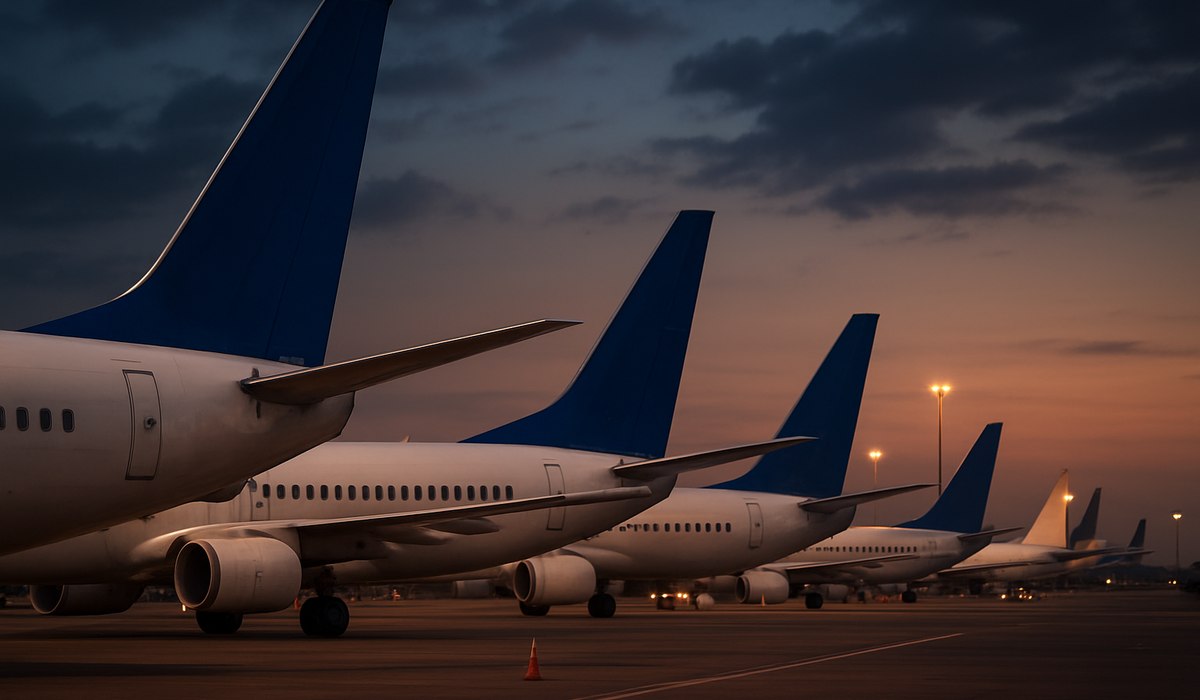
Image generated by AI
Saudia Boeing 787 Strikes Philippine Airlines Airbus During Taxiing Incident at Manila International Airport
A Saudia Boeing 787-9 collided with a stationary Philippine Airlines Airbus A320's vertical stabilizer on July 7, 2026, while taxiing at Manila International Airport. The incident forced the cancellation of the Saudia flight bound for Jeddah and left passengers stranded. The collision, which occurred during ground operations, has triggered a formal investigation into the taxiing procedures and ground control coordination at one of Southeast Asia's busiest aviation hubs. This saudia boeing philippine encounter marks a significant ground safety event requiring immediate regulatory review.
What Happened During the Ground Collision
The incident unfolded during evening ground operations when the Saudia Boeing 787 was maneuvering toward a runway for departure to Jeddah. The widebody aircraft made contact with the tail section of a Philippine Airlines Airbus A320 that was parked in a designated holding area. Ground personnel discovered visible damage to the A320's vertical stabilizer, prompting immediate halting of all movement near the incident zone.
Manila International Airport's ground control team initiated emergency protocols following the collision. The exact cause remains under investigation, though preliminary reports suggest potential coordination gaps between aircraft handlers and ground control systems. The saudia boeing philippine collision highlights ongoing challenges with taxiway congestion and real-time positioning awareness during peak traffic hours at Manila. Airport authorities temporarily restricted movement in the affected taxiway section to prevent secondary incidents.
Aircraft and Airlines Involved
Philippine Airlines, one of Asia's oldest carriers, operates an extensive Airbus A320 fleet serving regional and long-haul markets. The A320 that sustained damage on July 7 serves the airline's crucial domestic and ASEAN routes. Philippine Airlines maintains a strong safety record but occasionally faces challenges coordinating ground movements during Manila's congested operational periods.
Saudia (Saudi Arabian Airlines), the kingdom's flag carrier, operates a modern fleet including multiple Boeing 787-9 Dreamliners. The aircraft involved was scheduled for a Jeddah-bound service, representing an important link in Saudia's Middle East connectivity network. The airline has invested significantly in ground safety training, yet this incident suggests systematic gaps in airport coordination protocols.
Impact on Flight Operations and Passengers
The collision forced immediate cancellation of Saudia's Manila-to-Jeddah flight, affecting approximately 260 passengers. Stranded travelers faced rebooking challenges given limited availability on alternative carriers during peak summer travel season. Many passengers reported spending additional nights in Manila while awaiting seat assignments on subsequent Saudia services.
Philippine Airlines suspended operations from the affected taxiway section for approximately eight hours, disrupting regional flight schedules. The A320 was towed to maintenance facilities, where engineers assessed structural damage to the tail section. Airlines operating from Manila International Airport experienced cascading delays totaling over 340 minutes across their collective networks. This disruption underscores how single ground incidents can paralyze operations at major Southeast Asian aviation hubs.
Safety Protocols and Investigation
Manila International Airport's safety board immediately launched a comprehensive investigation examining radio communications, ground control procedures, and visibility conditions. Investigators reviewed cockpit voice recordings, air traffic control transmissions, and surveillance footage from the incident area. The saudia boeing philippine collision triggered Manila Airport Authority's mandatory review of taxiway marking standards and ground control coordination protocols.
The Federal Aviation Administration (FAA) has been notified of the incident and may conduct independent review given Boeing's American manufacture. Ground handling companies at Manila implemented temporary enhanced procedures requiring direct radio confirmation before any aircraft movement near the collision site. Training updates were mandated for all ground control personnel across Manila's operations to prevent recurrence of communication gaps.
Key Incident Data
| Metric | Details |
|---|---|
| Primary Aircraft | Saudia Boeing 787-9 Dreamliner |
| Secondary Aircraft | Philippine Airlines Airbus A320-200 |
| Incident Location | Manila International Airport (MNL), Philippines |
| Incident Date | July 7, 2026, evening hours |
| Damage Assessment | A320 vertical stabilizer sustained structural impact |
| Affected Route | Saudia flight to Jeddah, Saudi Arabia |
| Passengers Stranded | Approximately 260 travelers |
| Flight Cancellation | Complete cancellation of Saudia departure |
| Operational Impact | 8-hour taxiway closure, 340+ minutes of delays |
| Investigation Status | Active; FAA notified of incident details |
What This Means for Travelers
Passengers traveling through Manila International Airport should prepare for potential disruptions through mid-July 2026 as investigations continue and operational changes take effect. Here's your action checklist:
- Contact your airline immediately if your flight was affected, requesting rebooking on alternative carriers or compensation eligibility verification
- Check FlightAware (FlightAware.com) for real-time tracking of your departure and arrival flights through Manila
- Review your passenger rights under US DOT regulations at transportation.gov/airconsumer if your flight was canceled
- Photograph your boarding pass and receipts for any expenses incurred due to delays or cancellation
- Request written confirmation from your airline detailing rebooking arrangements, meal vouchers, and accommodation compensation
- Monitor FAA updates at faa.gov regarding any additional safety directives affecting Boeing 787 or Airbus A320 operations
- Book flights with extended layover windows until Manila's revised ground procedures stabilize
- Maintain copies of all communication with the airline for potential compensation claims through travel insurance
Frequently Asked Questions
Q: What specific damage did the Philippine Airlines A320 sustain? The vertical stabilizer of the A320 sustained direct structural impact from the Boeing 787's fuselage during the taxiing incident. Aircraft maintenance engineers assessed the damage as moderate, requiring extended repairs and parts replacement. The aircraft was grounded pending full structural evaluation and clearance by Philippine aviation authorities before returning to revenue service.
Q: Are Boeing 787 aircraft banned from Manila International Airport? No aircraft type ban has been imposed. However, the FAA and Manila Airport Authority have implemented enhanced ground control procedures affecting all large widebody aircraft during taxiing operations. Boeing 787 operations continue with modified ground coordination protocols and mandatory crew briefings emphasizing Manila's specific taxiway configurations.
Q: Can passengers claim compensation for the canceled Saudia flight? Yes, under US Department of Transportation regulations and international air travel guidelines, passengers may be eligible for compensation ranging from $250-$600 depending on flight distance and delay duration. Passengers should file claims with Saudia within prescribed timeframes, providing ticket documentation and proof of actual damages incurred.
Q: Will Manila International Airport's ground procedures change permanently? Yes, preliminary findings indicate Manila will implement permanent updates to taxiway markings, ground control communication protocols, and visibility enhancement systems. These changes may affect aircraft push-back procedures and taxiing speed restrictions for widebody aircraft, potentially extending ground operations by 5-10 minutes per flight cycle.
Related Travel Guides
- Austria vs Switzerland: Which Destination Better Suits Travelers in 2026?
- Aviation Updates: SkyWest Airlines Flight AAL5480 Canadair CRJ-700 N787SK Diverts Back to San Francisco International Airport After Departing for Arcata-Eureka on June 23, 2026, Disrupting Northern California Regional Service and Triggering Passenger Rebooking Protocols
- easyJet and Schiphol Deploy Groundbreaking Engine-Off TaxiBot, Preventing Severe Airport Disruptions and Transforming European Aviation: Latest Airline News
Disclaimer
This article is for informational and educational purposes only. It does not constitute legal, financial, or professional advice. While we strive to provide accurate and up-to-date information, travel policies, regulations, and conditions change rapidly. Always verify information with official sources before making travel decisions. Nomad Lawyer makes no representations about the accuracy, reliability, completeness, or suitability of the information provided. Readers should consult qualified professionals for advice specific to their circumstances. The views expressed in this article are those of the author and do not necessarily reflect the views of Nomad Lawyer.
Raushan Kumar
Founder & Lead Developer
Full-stack developer with 11+ years of experience and a passionate traveller. Raushan built Nomad Lawyer from the ground up with a vision to create the best travel and law experience on the web.
Learn more about our team →