
Invest 97W Pacific Storm Risk: Travel Alerts for Philippines, Japan, Taiwan, and China 2026
Travelers to the Philippines, Japan, Taiwan, and China are warned as Invest 97W reaches a medium chance of tropical cyclone development within 24 hours, potentially disrupting aviation and maritime operations.

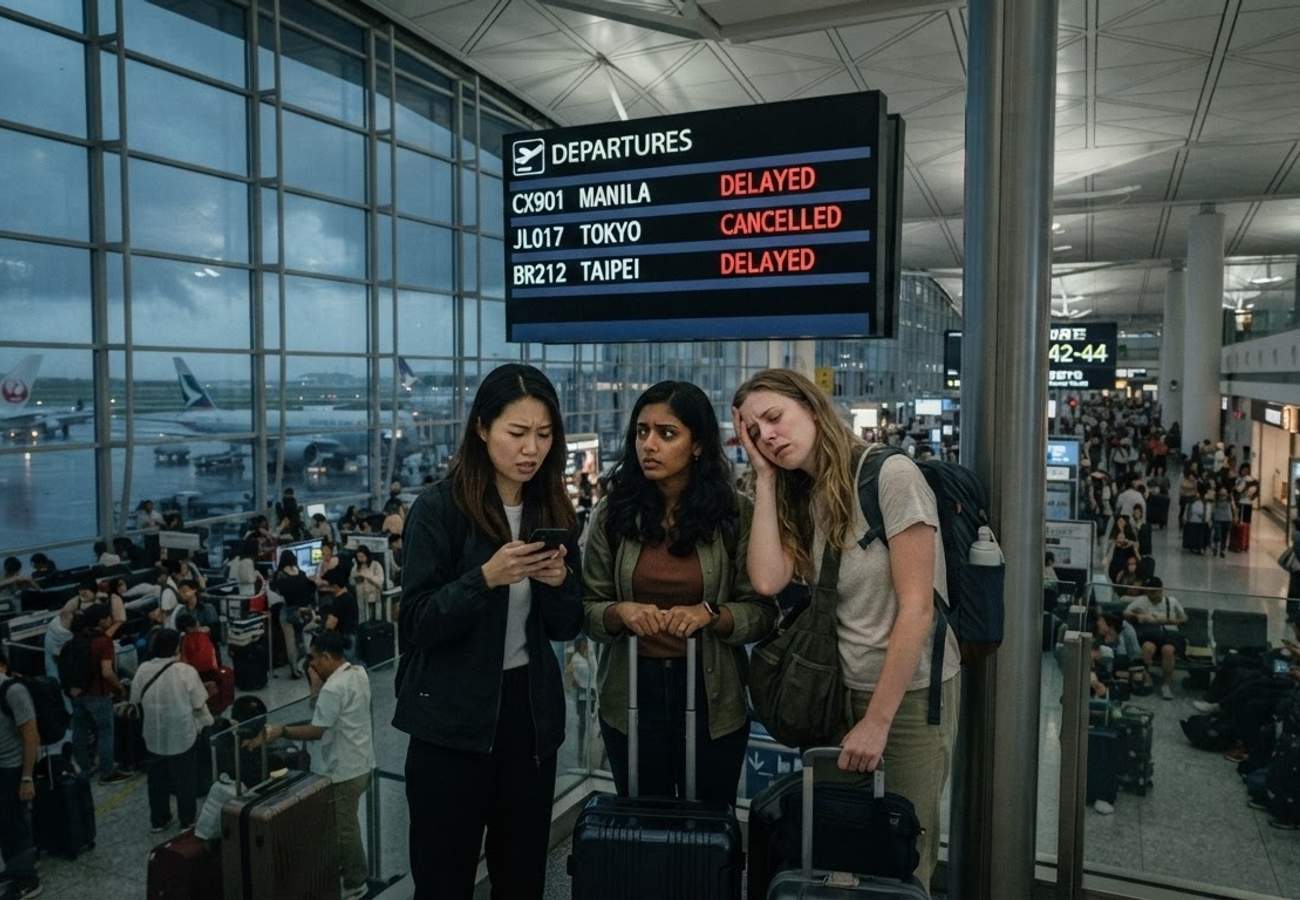
Image generated by AI
A medium chance of tropical cyclone development within 24 hours has been issued for Invest 97W, prompting travel advisories across the Philippines, Japan, Taiwan, and China.
The western Pacific is currently monitoring a developing weather system designated as Invest 97W (also identified as LPA 07a). While no serious disruptions are currently reported, the system's potential for intensification poses a risk to regional aviation, inter-island ferry services, and coastal tourism.
The Japan Meteorological Agency (JMA) has already classified the system as a tropical depression. Simultaneously, the Philippine weather authority, DOST-PAGASA, reports a medium probability of the system evolving into a tropical cyclone within the next 24 hours.
Critical System Specifications: Invest 97W
Industry observers are tracking the following technical data regarding the disturbance:
- System Designation: Invest 97W / LPA 07a
- Current Classification: Tropical Depression (per JMA)
- Development Probability: Medium chance of cyclone formation within 24 hours (per PAGASA)
- Movement Pattern: Expected westward movement, followed by a potential northward turn
- Projected Trajectory: Possible northeastward movement toward the North Pacific
- Atmospheric Influence: A high-pressure area near Japan may alter the track, potentially mitigating direct impacts on certain landmasses.
Regional Impact Analysis
Philippines
The archipelago is particularly vulnerable due to its geography. A strengthening system could disrupt operations in high-traffic tourist hubs including Boracay, Palawan, Cebu, Bohol, Manila, and Davao. Primary risks include the suspension of island tours, domestic flight delays, and the cessation of ferry operations.
Japan
With the JMA already designating the system as a tropical depression, monitoring is focused on Okinawa, Kyushu, Tokyo coastal areas, and Pacific island routes. Potential disruptions extend to domestic aviation, rail services, and cruise itineraries.
Taiwan and China
Taiwan is monitoring the system for impacts on Taipei city breaks, mountain tourism, and coastal activities. In China, the focus remains on southern coastal regions and islands, specifically Shanghai, Fujian, Guangdong, and Hainan Island.
Operational Status and Carrier Monitoring
Current data indicates no confirmed flight cancellations. However, aviation analysts note that the following carriers are likely monitoring the system due to their network exposure:
| Airline | Primary Region | Risk Factor |
|---|---|---|
| Philippine Airlines | Philippines | Domestic/International cyclone-prone routes |
| Cebu Pacific | Philippines | Extensive island-hopping network |
| Japan Airlines | Japan | Domestic and Pacific-facing operations |
| All Nippon Airways (ANA) | Japan | High-density domestic connectivity |
| China Airlines | Taiwan | Regional Pacific route exposure |
| EVA Air | Taiwan | Asia-Pacific network vulnerability |
Philippines Travel Impact Summary
| Category | Latest Situation |
|---|---|
| Weather monitoring | Invest 97W under observation |
| Cyclone risk | Medium chance of development within 24 hours |
| Tourist destinations | No confirmed direct impact |
| Flights | No confirmed cancellations |
| Traveller advice | Monitor updates before travel |
Why This Matters: Industry Implication
Our analysis of the current atmospheric conditions—specifically the strong westerly outflow and favorable upper-level conditions—suggests a system that is struggling with consolidation due to its elongated shape. However, the "medium chance" designation in a high-traffic aviation corridor is significant.
The Western Pacific is one of the most congested airspace regions globally. Even a system that does not reach full typhoon strength can cause "cascading delays." When a tropical depression forces a reroute for a single hub, it creates a ripple effect across regional schedules. For the travel industry, the risk is not just the storm, but the operational volatility it introduces to ferry and short-haul flight schedules.
Forward Outlook
The trajectory of Invest 97W remains variable. Meteorologists are prioritizing the monitoring of wind circulation and thunderstorm organization. Travelers should expect a period of heightened volatility as the region enters its more active tropical weather phase.
Immediate recommendations for travelers include:
- Verifying hotel cancellation and flexibility policies.
- Confirming travel insurance coverage for weather-related disruptions.
- Relying on official JMA and PAGASA updates rather than unofficial social media reports.
- Maintaining direct communication channels with airlines for rebooking options.
Preparedness is currently prioritized over active disruption.
Related Travel Guides
Disclaimer
This article is for informational and educational purposes only. It does not constitute legal, financial, or professional advice. While we strive to provide accurate and up-to-date information, travel policies, regulations, and conditions change rapidly. Always verify information with official sources before making travel decisions. Nomad Lawyer makes no representations about the accuracy, reliability, completeness, or suitability of the information provided. Readers should consult qualified professionals for advice specific to their circumstances. The views expressed in this article are those of the author and do not necessarily reflect the views of Nomad Lawyer.
Raushan Kumar
Founder & Lead Developer
Full-stack developer with 11+ years of experience and a passionate traveller. Raushan built Nomad Lawyer from the ground up with a vision to create the best travel and law experience on the web.
Learn more about our team →