
US Level 2 Travel Advisory Mexico 2026: Which States Are Off-Limits and Why Every Traveller Needs to Know
The US government's updated Mexico travel advisory reveals Level 4 warnings for six states plagued by cartel violence and kidnapping. Here's what travellers must know before booking.

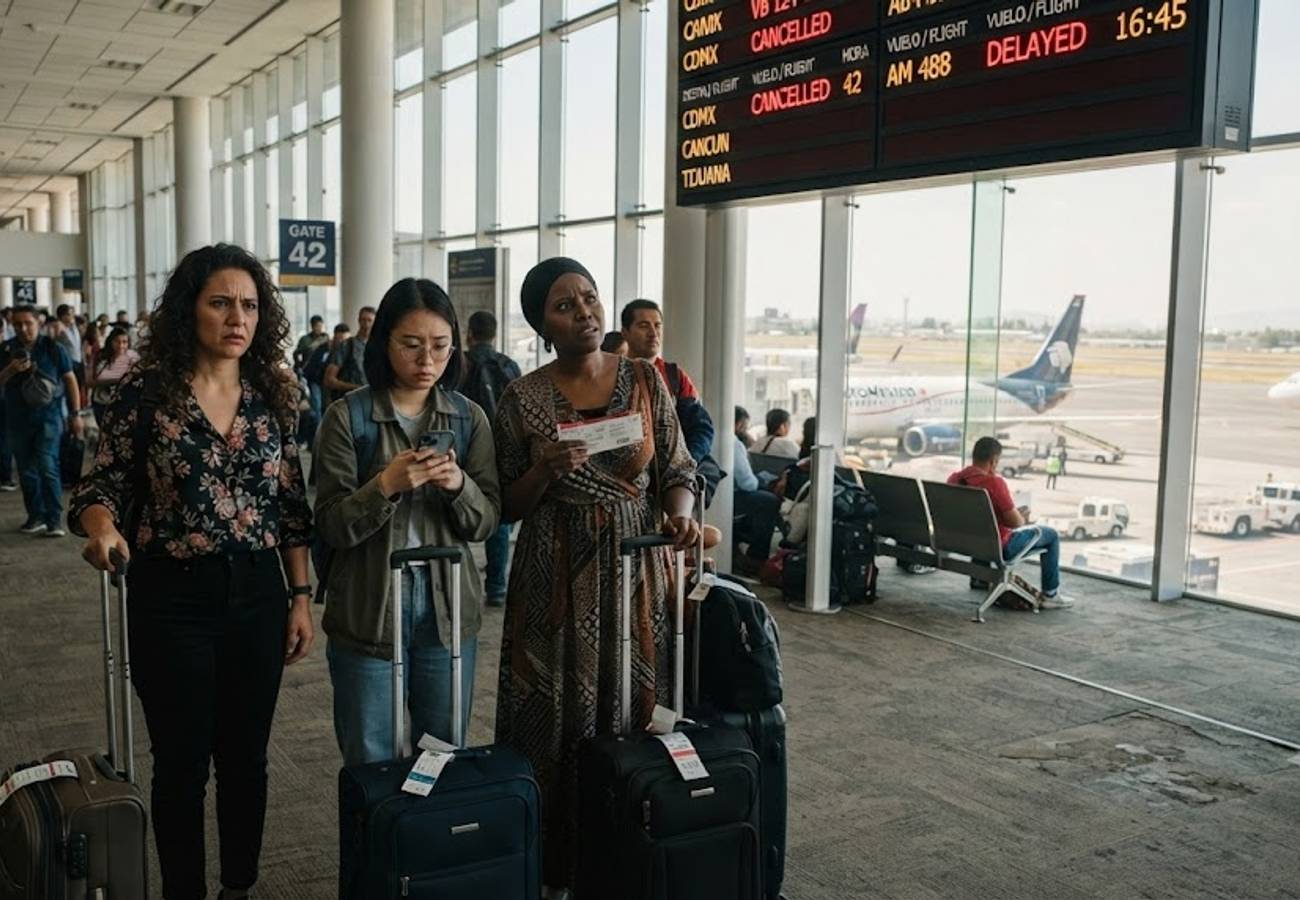
Image generated by AI
The Updated Warning That's Reshaping Mexico Travel in 2026
The U.S. Department of State issued an updated travel advisory for Mexico on May 29, 2026, and the message is unambiguous: security conditions are fragmented, unpredictable, and potentially deadly in certain regions.
While Mexico continues attracting millions of international visitors annually to its beaches, archaeological sites, and cultural landmarks, the advisory framework has shifted significantly. The Level 2 Exercise Increased Caution designation now applies to the entire country, with six Mexican states elevated to the most severe Level 4 Do Not Travel classification.
Reddit: "Just got back from Cancun last month. Security presence was heavy but the tourist zones felt safe. Still, I wouldn't venture outside those areas without local guidance." — r/travel
The stakes are real. Travellers who misunderstand or ignore these warnings could find themselves entangled with organised criminal groups, subjected to kidnapping attempts, or facing serious legal consequences under Mexican law.
Six States Now Under Level 4 Do Not Travel Orders
The U.S. government has designated these six Mexican states as too dangerous for travel:
Colima — persistent cartel operations and violent crime networks Guerrero — widespread kidnapping and armed robbery targeting tourists and locals Michoacán — organised crime strongholds controlling territory Sinaloa — major cartel presence with ongoing territorial conflicts Tamaulipas — human smuggling operations and cross-border criminal activity Zacatecas — cartel violence and limited government security presence
These aren't theoretical risks. Kidnapping incidents, extortion schemes, and armed confrontations between criminal organisations have been documented extensively throughout these regions. The advisory explicitly warns that incidents in these areas "may result in serious injury or death."
Travellers should understand that entering Level 4 zones could invalidate travel insurance, create diplomatic complications if arrested, and expose them to criminal elements operating with relative impunity in certain border regions.
Three More States Require Level 3 Reconsider Travel Warnings
Beyond the Level 4 zones, Baja California, Chihuahua, and Sonora have been placed under Level 3 Reconsider Travel advisories.
These border states present elevated risks involving cartel conflicts and human smuggling operations. Casual travellers moving through these regions without specific security briefings face heightened exposure to random violence, checkpoint complications, and territorial disputes between criminal networks.
The distinction matters: Level 3 doesn't mean "absolutely forbidden," but it does signal conditions serious enough that travel should only proceed with substantial preparation and local knowledge.
Which Tourist Hotspots Remain Open Under Level 2?
The good news: Cancun, Riviera Maya, Los Cabos, and Mexico City continue operating under the Level 2 advisory, meaning travel is still permitted with increased caution.
These destinations maintain heavy security infrastructure, tourist police divisions, and established safety protocols. Millions of international visitors navigate these zones annually without incident. However, Level 2 status means complacency is dangerous.
Travellers visiting these areas should consult the official U.S. State Department advisory for real-time updates, register with their embassy, and follow specific neighbourhood guidance from hotel staff and local authorities.
The Border Crossing Reality: Know the Legal Consequences
Here's where many travellers make fatal mistakes: attempting to cross Mexico's border outside official ports of entry, bypassing military checkpoints, or evading immigration procedures carries severe penalties under Mexican law.
The U.S. State Department warns explicitly that such actions may result in immediate arrest, lengthy prison sentences, and exposure to criminal organisations controlling smuggling corridors.
Reddit: "A friend tried to 'save time' crossing near Nogales without proper documentation. Spent three weeks in a Mexican jail waiting for consular assistance. Not worth it." — r/IAmA
Mexican authorities deploy military checkpoints throughout border regions. Failure to comply with checkpoint instructions, attempting to flee, or carrying items that raise suspicion can escalate situations rapidly. Criminal organisations also operate checkpoints in some areas, creating dangerous scenarios where law enforcement and cartel members occupy the same territory.
Critical Safety Guidance Every Traveller Must Follow
Comply immediately with checkpoint instructions. Hesitation or resistance at military or police checkpoints can result in serious injury or death. Mexican authorities operate with protocols that foreign visitors must respect.
Avoid political demonstrations and protests. The U.S. Embassy in Mexico City explicitly warns that foreign nationals participating in local rallies face immediate detention and potential deportation. What seems like a peaceful march can turn violent or lead to arbitrary arrests targeting foreigners.
Restrict road travel to major toll highways during daylight hours. The advisory identifies remote roads and rural areas as zones where criminal activity concentrates. Travellers should use cuotas (toll highways) rather than free secondary roads, particularly after sunset.
Stay away from drug trafficking corridors. Certain routes through northern Mexico serve as transport lines for cartels. Even innocent passage through these areas creates risk exposure.
Why STEP Registration Could Save Your Life
The Smart Traveler Enrollment Program (STEP) represents the single most practical security measure available to American travellers heading to Mexico.
By enrolling before departure, travellers receive real-time security alerts, emergency notifications, and direct communication from the nearest U.S. embassy or consulate. During natural disasters, rapidly deteriorating security situations, or personal emergencies, registered travellers benefit from diplomatic assistance and location tracking.
The program costs nothing and takes five minutes to complete on the State Department's STEP website. It's not paranoia—it's basic risk management.
The Broader Reality: Mexico Remains a Major Destination
Contradictions define Mexico's current travel landscape. The country attracts over 40 million international visitors annually. Archaeological sites, beach resorts, colonial architecture, and cultural experiences continue drawing travellers worldwide.
Yet the Level 4 designations reflect genuine, documented dangers in specific regions where government control remains contested and criminal violence persists. The advisory framework isn't designed to discourage tourism entirely—it's designed to direct travellers toward zones where security infrastructure exists and away from areas where it doesn't.
Responsible travel planning requires reviewing state-by-state advisory updates, registering with your embassy, following local security guidance religiously, and maintaining situational awareness throughout your visit.
Most visitors complete their Mexico journeys without incident. Those who do encounter problems are typically those who ignored warnings, ventured into restricted zones, or failed to follow official guidance at checkpoints.
The choice between informed travel and preventable tragedy starts before you book the flight.
Related Travel Guides
Disclaimer
This article is for informational and educational purposes only. It does not constitute legal, financial, or professional advice. While we strive to provide accurate and up-to-date information, travel policies, regulations, and conditions change rapidly. Always verify information with official sources before making travel decisions. Nomad Lawyer makes no representations about the accuracy, reliability, completeness, or suitability of the information provided. Readers should consult qualified professionals for advice specific to their circumstances. The views expressed in this article are those of the author and do not necessarily reflect the views of Nomad Lawyer.
Preeti Gunjan
Contributor & Community Manager
A passionate traveller and community builder. Preeti helps grow the Nomad Lawyer community, fostering engagement and bringing the reader experience to life.
Learn more about our team →