
Late Season Storm Disrupts 42 Flights Across Canada's Major Aviation Hubs
A late-season winter system has disrupted flights across Canada in 2026, triggering 42 cancellations and 210+ delays. Major carriers and remote communities face significant operational strain.

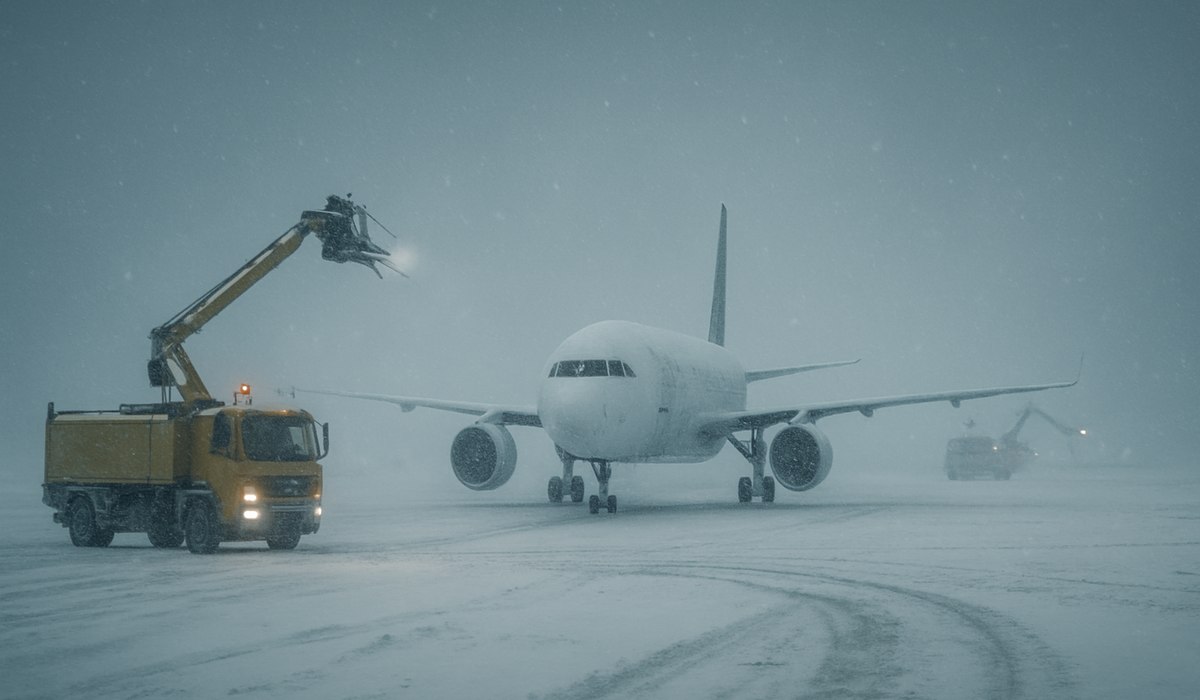
Image generated by AI
A Late-Season Winter System Grounds Dozens of Flights Across Canada
A late-season storm has crippled air travel across Canada, triggering 42 flight cancellations and over 210 delays spanning from coast to coast. Toronto Pearson, Vancouver International, and Montreal-Trudeau airports report the heaviest impacts, though secondary hubs in Halifax and remote northern terminals like Kuujjuaq face acute service disruptions. The winter system, characterized by heavy snowfall, freezing rain, and reduced visibility, has strained operations for Air Canada, WestJet, Jazz Air, Delta, and Air Inuit. Thousands of passengers face rebooking challenges, extended airport queues, and the prospect of multi-day travel delays as the late-season storm continues to disrupt connectivity across Canada's aviation network.
Storm-Driven Disruptions Hit Major Canadian Hubs
The late-season storm has unleashed cascading operational strain across Canada's three busiest aviation hubs. Toronto Pearson International Airport recorded at least 15 cancellations and 65+ delays as morning pushbacks were stalled by snow removal and de-icing operations. Vancouver International Airport reported comparable numbers, with westbound transcontinental and transpacific flights bearing the brunt of weather-related hold-ups.
Montreal-Trudeau International Airport experienced similar conditions, compounded by freezing rain that extended ground handling times. Secondary airports amplified disruption severity. Halifax saw select frequencies cancelled outright due to downstream effects from larger hubs, while Kuujjuaq, servicing remote northern communities, lost critical lifeline connections needed for medical transport and essential cargo.
Freezing precipitation and low visibility reduced runway capacity by 25–30% at peak-impact locations. Snow accumulation rates exceeded 15 centimeters in some regions, forcing repeated de-icing cycles. This late-season storm demonstrates that severe weather remains an unpredictable operational hazard well into spring months. For real-time airport status updates, visit FlightAware to track your flight's current delay or cancellation status.
Air Canada, WestJet, and Regional Carriers Under Pressure
Air Canada and WestJet, Canada's two dominant carriers, shouldered the visible majority of cancellations and delays owing to their outsized network footprints through affected hubs. Air Canada's dense Toronto and Montreal operations meant that even modest weather disruptions cascaded into dozens of downstream flight problems.
WestJet's concentrate of Calgary and Vancouver services similarly faced compression as the late-season storm stalled turnarounds. Jazz Air, operating Air Canada Express regional routes, proved especially vulnerable. Single-aircraft delays on short-haul flights linking major cities to secondary airports created crew duty-time violations, forcing cancellations on subsequent legs.
Cross-border operator Delta Air Lines also absorbed disruption, particularly on services connecting Toronto and Vancouver to U.S. hubs already stressed by separate weather systems. Air Inuit, critical for northern lifeline operations, contended with challenging runway and visibility conditions that restricted access to communities like Kuujjuaq and Iqaluit.
Crew and aircraft imbalance persisted even as weather improved, with planes stuck out of position and schedules compressed. Airlines typically require 45–60 minute turnarounds between flights; the late-season storm compressed this window, forcing service consolidations and cancellations of less-trafficked frequencies.
Disproportionate Impact on Remote Northern Communities
Remote northern airports face consequences far more severe than their major-hub counterparts when the late-season storm strikes. Kuujjuaq normally hosts 3–4 daily commercial flights; during disruption, even a single cancellation eliminates options for urgent medical referrals, resupply cargo, and onward regional connections.
Communities rely on aviation as their primary transport lifeline. Residents requiring dialysis, surgery, or specialist care in southern centers depend on predictable flight schedules. A cancelled Air Inuit flight means waiting 24+ hours for the next departure, potentially jeopardizing health outcomes.
Cargo service disruptions amplify hardship. Remote retailers and food suppliers depend on 2–3 weekly air shipments. Supply shortages emerge within days when the late-season storm eliminates scheduled freight flights. Fuel deliveries, medical supplies, and perishable goods sit in southern warehouses while northern stockpiles dwindle.
Smaller regional carriers like Great Slave Helicopter and other operators cannot substitute capacity quickly. Unlike major hubs, where passengers can rebook on multiple daily alternatives, northern travelers often possess only one or two weekly flight options per destination pair. This structural fragility means remote communities absorb disproportionate hardship from weather disruptions that major-hub passengers weather more easily.
What Travelers Should Know Now: Real-Time Guidance
The late-season storm's operational impacts demand immediate action from affected passengers. Snow and freezing rain continue across affected regions, with gradual clearing expected by late evening April 8th. Airlines have activated massive rebooking operations, but seat availability remains constrained.
Check your flight status immediately using FlightAware or your airline's official app. Cancellations and delays are being announced in waves as crews and aircraft reach position. Arrive at airports earlier than standard, as check-in and security queues have extended 45–60 minutes beyond normal duration due to rebooking traffic.
Contact your airline directly rather than relying on app notifications, which lag real-time changes. Air Canada customer service is experiencing call wait times exceeding two hours; email and social media channels respond faster. WestJet similarly advises passengers to use app-based rebooking functions before calling.
If your flight is cancelled, you possess the right to a full refund or rebooking on the next available flight at no additional cost, per U.S. Department of Transportation guidelines and Canadian aviation regulations. Document your flight number, cancellation notice timestamp, and airline name for potential compensation claims filed after travel normalizes.
For transborder passengers, verify U.S. entry requirements remain current, as late arrivals may trigger visa or admission complications. Passengers connecting through affected hubs should book hotels preemptively if overnight delays appear likely; airline-provided accommodation during weather events is discretionary rather than mandatory.
Traveler Action Checklist
-
Verify your flight status immediately on FlightAware and your airline's official platform before departing for the airport.
-
Contact your airline via app, email, or social media rather than phone lines, which face 2+ hour wait times due to rebooking volume from the late-season storm.
-
Arrive at the airport 90 minutes earlier than usual for domestic flights to accommodate extended check-in and security screening caused by rebooking congestion.
-
Request written confirmation of any cancellation, rebooking, or delay claim, including flight number, airline, and timestamp for future compensation filings.
-
Book backup accommodation if your arrival is delayed beyond 8 PM, as airline-provided hotels during weather disruptions are not guaranteed under current Canadian regulations.
-
Document all out-of-pocket expenses—meals, hotels, transportation—with receipts for potential reimbursement claims filed with your airline or credit card company.
-
Verify passport and visa status if your itinerary involves transborder travel, as late arrivals may affect entry window requirements or immigration procedures.
-
Connect with your airline's loyalty program if eligible for elite customer service lines, which typically have shorter wait times than standard rebooking queues.
Key Data: Late-Season Storm Impact Summary
| Metric | Value | Location/
Disclaimer
This article is for informational and educational purposes only. It does not constitute legal, financial, or professional advice. While we strive to provide accurate and up-to-date information, travel policies, regulations, and conditions change rapidly. Always verify information with official sources before making travel decisions. Nomad Lawyer makes no representations about the accuracy, reliability, completeness, or suitability of the information provided. Readers should consult qualified professionals for advice specific to their circumstances. The views expressed in this article are those of the author and do not necessarily reflect the views of Nomad Lawyer.
Raushan Kumar
Founder & Lead Developer
Full-stack developer with 11+ years of experience and a passionate traveller. Raushan built Nomad Lawyer from the ground up with a vision to create the best travel and law experience on the web.
Learn more about our team →