
Türkiye Tourism Income Reaches 25.8 Billion Dollars in H1 2026
Türkiye generates US$25.8 billion in tourism revenue in H1 2026, supported by longer average visitor stays of 10.01 nights and higher nightly spending.

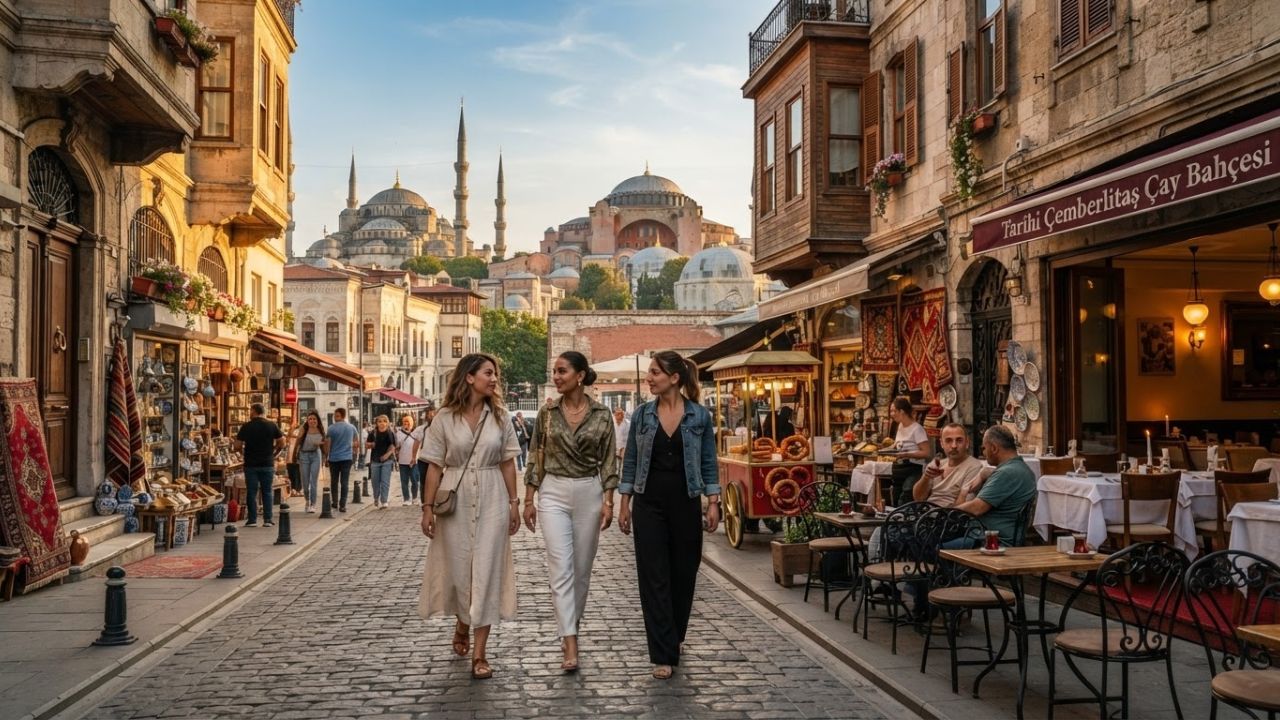
Image generated by AI
Türkiye generated US$25.8 billion in tourism revenue during the first half of 2026, welcoming 25.8 million international arrivals who stayed an average of 10.01 nights and spent US$109 per night.
The Local Trend Revealed: Strategic Pivot to High-Value Tourism
The Turkish travel sector is recording a structural shift toward quality-driven, high-value tourism. During the first half of 2026, Türkiye generated US$25.8 billion in tourism income while welcoming 25.8 million international travelers. Although overall arrivals saw a slight decline compared to the 26.4 million visitors recorded during the first half of 2025, tourism revenue remained stable due to longer visitor stays and higher average spending.
A key factor in this performance was the change in traveler behavior. The average length of stay for international visitors increased by 0.5 per cent to 10.01 nights. Simultaneously, average spending per night grew by 2.6 per cent to US$109. Traditional source markets remained stable: the Russian Federation was the largest contributor with 2.65 million arrivals, followed by Germany with 2.44 million arrivals, and the United Kingdom with 1.58 million arrivals. Notably, the long-haul Canadian market delivered strong growth, with arrivals increasing by 8.6 per cent to reach 137,695 Canadian travelers, helping diversify the country’s international visitor base.
Türkiye Tourism Key Performance Indicators (First Half 2026)
| Tourism Indicator | First Half 2026 Performance | First Half 2025 Reference | Year-on-Year Growth Trend | Primary Economic Impact |
|---|---|---|---|---|
| Total Tourism Income | US$25.8 Billion | US$25.8 Billion | Stable income retention | Broad revenue support for local trade |
| International Arrivals | 25.8 Million visitors | 26.4 Million visitors | Modest 2.2% volume decline | Reduced pressure on coastal hubs |
| Average Length of Stay | 10.01 nights | 9.96 nights | +0.5% increase | Increased occupancy in hotels and pensions |
| Average Nightly Spend | US$109 per night | US$106 per night | +2.6% increase | Directly benefits restaurants and guides |
| Canadian Market Arrivals | 137,695 visitors | 126,791 visitors | +8.6% increase | Expands high-yield long-haul tourism |
| Russia Market Arrivals | 2.65 Million visitors | N/A | Primary source market | High demand for Antalya and coastal resorts |
Cultural & Environmental Value: Supporting Local Crafts and Regional Forests
For the traveler, the real impact of this high-value tourism shift is the opportunity to practice slow, community-supported travel that funds regional heritage preservation and rural cooperatives. By choosing locally-owned boutique pensions, dining in neighborhood Lokantas (traditional taverns), and hiring certified local guides at ancient sites like Ephesus or Göbeklitepe, visitors ensure their expenditures directly benefit host families.
Mapped in coordination with the Ministry of Culture and Tourism and regional conservation groups, these longer stays finance sustainable forestry projects, traditional craft workshops, and marine protection programs along the Aegean and Mediterranean coastlines. This ensures that travel revenue is directed away from massive corporate enclaves toward community-based businesses, protecting the regional environment while keeping cultural heritage alive.
Destination Specialist Local Insider Tips
To help you explore Türkiye’s historic and coastal sites comfortably while supporting local communities, travel specialists suggest the following tips:
- Savor Manti in Traditional Lokantas: Experience local gastronomy. Try traditional Manti (small spiced beef dumplings served with garlic yogurt, melted butter, and dried mint) at family-run neighborhood restaurants.
- Target the Late Autumn Travel Window: Visit high-demand regions like Cappadocia, Ephesus, or Pamukkale during September or October to enjoy pleasant temperatures and avoid summer crowds.
- Observe Mosque Etiquette: When visiting active mosques (such as the Blue Mosque or Hagia Sophia in Istanbul), ensure shoulders and knees are fully covered. Women must cover their hair, and all visitors must remove shoes before entering.
- Carry Local Lira for Rural Bazaars: While cards are accepted in city centers like Istanbul or Antalya, carry cash in local Turkish Lira (TRY) when buying handicrafts or produce at village markets.
- Discover Ancient Sagalassos: Escape the crowded historic zones. Visit the mountain ruins of Sagalassos in southwestern Turkey to see a fully functioning, restored Roman fountain without the tourist crowds.
Long-Term Outlook: Diversification and Value-Driven Development
The long-term outlook for Türkiye’s visitor economy relies on sustaining this transition toward quality tourism and diversifying international source markets. By balancing large-scale European and Russian arrivals with high-yielding long-haul markets like Canada, the country builds resilience against geopolitical and economic fluctuations. Through continued collaboration between the Ministry of Culture and Tourism, local eco-tourism cooperatives, and regional hospitality boards, Türkiye is positioned to transition from simple arrival volume toward sustainable, value-driven development, protecting its heritage and natural monuments.
Related Travel Guides
Disclaimer
This article is for informational and educational purposes only. It does not constitute legal, financial, or professional advice. While we strive to provide accurate and up-to-date information, travel policies, regulations, and conditions change rapidly. Always verify information with official sources before making travel decisions. Nomad Lawyer makes no representations about the accuracy, reliability, completeness, or suitability of the information provided. Readers should consult qualified professionals for advice specific to their circumstances. The views expressed in this article are those of the author and do not necessarily reflect the views of Nomad Lawyer.
Raushan Kumar
Founder & Lead Developer
Full-stack developer with 11+ years of experience and a passionate traveller. Raushan built Nomad Lawyer from the ground up with a vision to create the best travel and law experience on the web.
Learn more about our team →