
TUI Care Foundation Expands Costa Rica Rainforest Conservation Project
TUI Care Foundation launched a new phase of its TUI Wildlife project in Costa Rica, expanding protected rainforest corridors and community ecotourism.
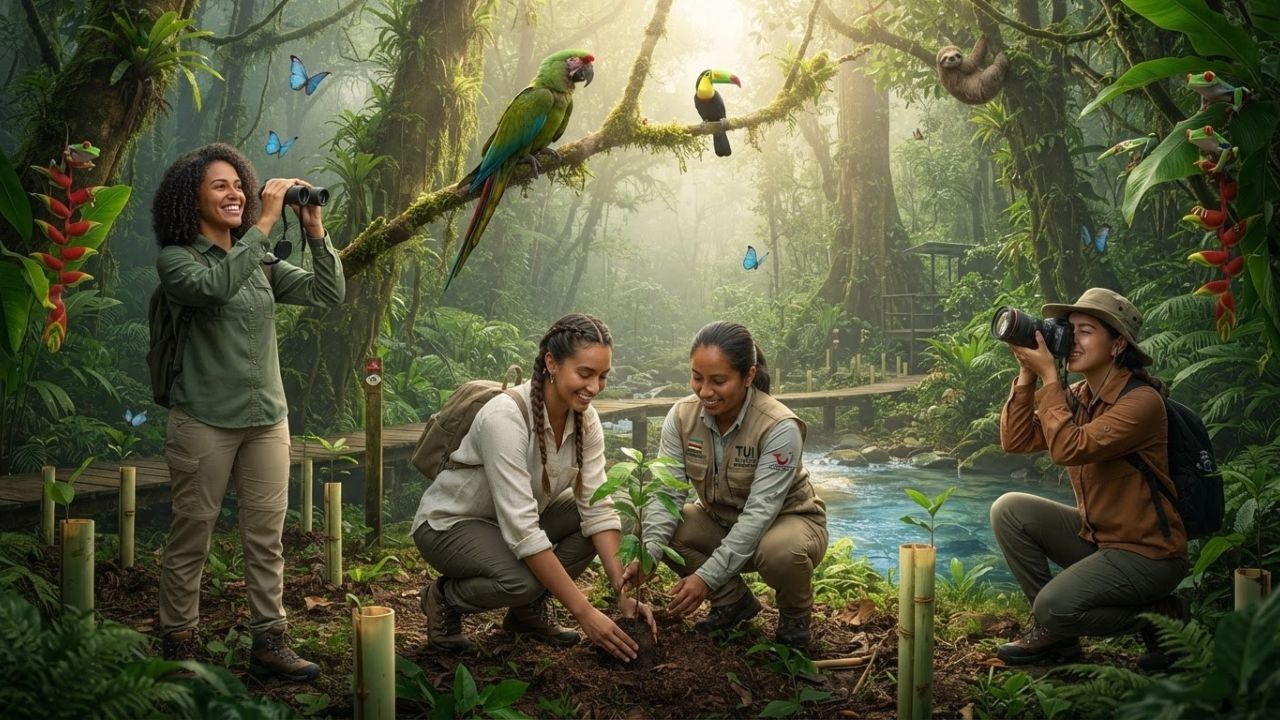
Image generated by AI
The TUI Care Foundation has launched the second phase of its wildlife conservation project in Costa Rica, expanding protected corridors to preserve endangered rainforest species.
The Conservation Update
Bilateral ecological initiatives and community-based forestry programs are expanding across Central America. The TUI Care Foundation has launched the second phase of its conservation and sustainable tourism project in the buffer area surrounding Barbilla National Park, Costa Rica.
Developed in partnership with the Work with Nature Foundation, the initiative connects reserve fragments to establish a secure biological corridor, expanding active forest ranger patrols across 289 hectares of land. The campaign targets the protection of critically endangered species including the Lemur Leaf Frog, the Great Green Macaw, the Gliding Tree Frog, and the Splendid Tree Frog.
Conservation Specifications & Corridor Scope
Coordinating biodiversity monitoring across Central American biological reserves requires tracking habitat restoration areas and target wildlife species. The following table provides specifications for the Costa Rican rainforest corridor project.
| Conservation Phase | Protected Land Area (Hectares) | Target Wildlife Species | Core Ecological Intervention | Geographic Corridor Focus |
|---|---|---|---|---|
| Phase 1 (Completed) | 275 hectares of rainforest | Lemur Leaf Frog, Great Green Macaw | 20 artificial ponds & nesting boxes | Barbilla National Park Buffer Area |
| Phase 2 (Active Expansion) | 289 hectares of reserve land | Gliding & Splendid Tree Frogs, Bats | Ranger patrols & wildlife corridor | Work with Nature to Barbilla Park |
Rainforest conservation coordinates and reserve parameters verified in coordination with the Work with Nature Foundation.
Traveler Logistics Guide
From a ground-level perspective, the best way to navigate this is to coordinate your travel route with licensed eco-tourism guides in San José before heading east towards Bajo Chirripó, as transiting the rugged terrain surrounding Barbilla National Park requires four-wheel-drive transport and official local rangers. Securing necessary travel permits is recommended.
To organize your eco-tourism journey:
- Entry and Conservation Passes: Ensure you check access protocols for the Work with Nature Reserve and Barbilla National Park, as guided trails require advanced booking to minimize human footprints.
- Eco-Lodge Arrangements: Partner with locally owned lodges that directly support the Cabécar Indigenous territory, contributing to the community-led economic model.
- Wildlife Monitoring Tours: Book specialized morning nature walks that showcase the newly built arboretum featuring 50 native tree species, or participate in bioacoustic educational seminars.
- Gear and Pack Guide: Bring waterproof hiking boots, high-humidity insect repellent, and reusable water bottles to avoid plastic waste in protected zones.
Ecological and Economic Impact
The establishment of connected wildlife corridors between Barbilla National Park and the Work with Nature Reserve supports the migratory movements of threatened bird and amphibian species. By funding local ranger salaries and training community guides, the project transitions the regional economy toward sustainable tourism models that counter illegal logging and poaching.
This program integrates with the global TUI Wildlife network, which coordinates similar community-led conservation projects in Rwanda, Cambodia, Namibia, and Mexico.
Related Travel Guides
New York and Nashville Lead America's Most Romantic Cities Index
Ryanair and AWS Extend Artificial Intelligence Operations Partnership
10 Best Travel Tips for Costa Rica Ecotourism, According to Reddit
Disclaimer
This article is for informational and educational purposes only. It does not constitute legal, financial, or professional advice. While we strive to provide accurate and up-to-date information, travel policies, regulations, and conditions change rapidly. Always verify information with official sources before making travel decisions. Nomad Lawyer makes no representations about the accuracy, reliability, completeness, or suitability of the information provided. Readers should consult qualified professionals for advice specific to their circumstances. The views expressed in this article are those of the author and do not necessarily reflect the views of Nomad Lawyer.