Gharbia Pairs up with Alexandria and Dakahlia as July 2026 Tourist Arrivals Rebound Across Cairo

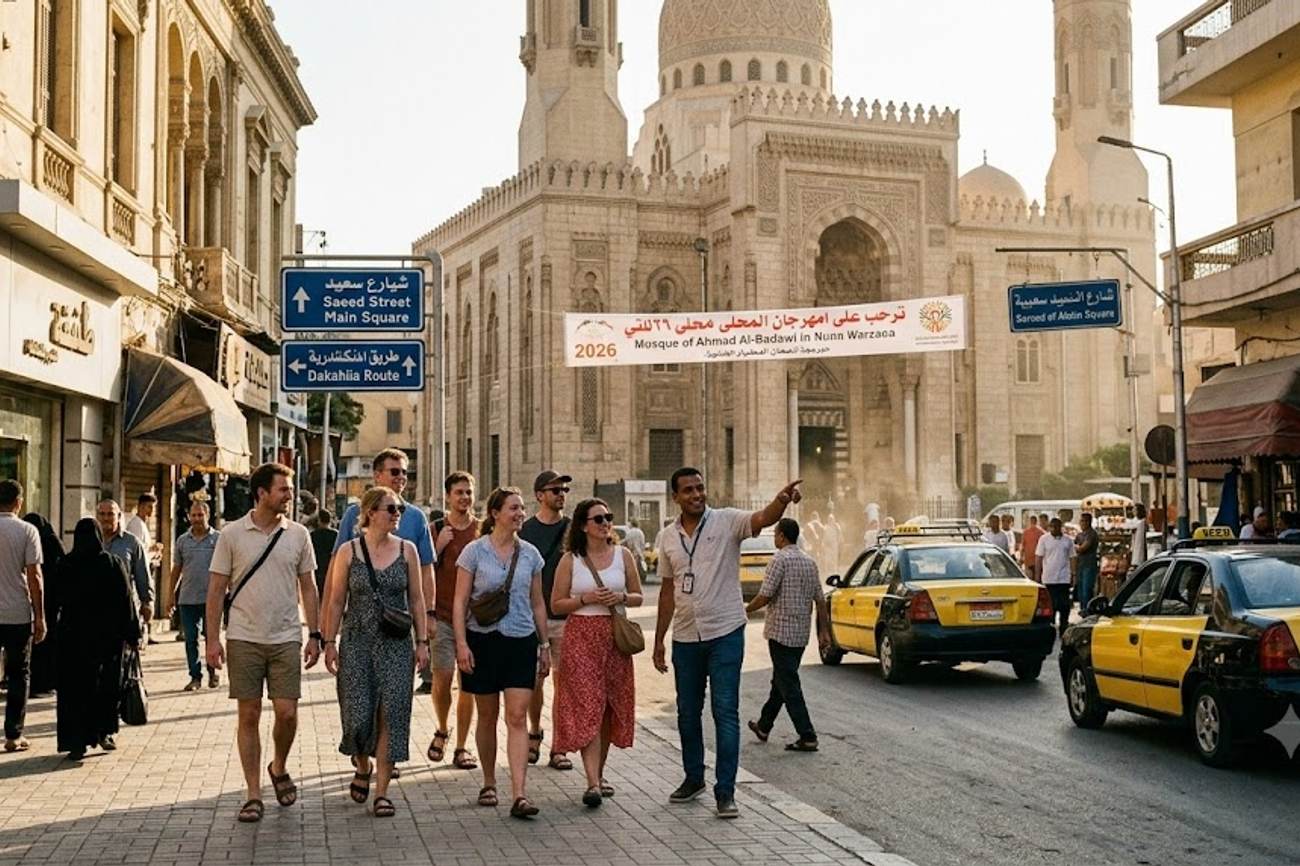
Image generated by AI
[Cairo, July 2026] — Egypt is aggressively expanding its tourism footprint beyond the traditional hubs of the Giza plateau and Red Sea resorts to integrate the northern governorates into the national travel circuit. New data indicates a significant rebound in tourist arrivals across Cairo, driven by a strategic pivot toward the Nile Delta regions of Gharbia, Monufia, Dakahlia, and Alexandria.
The Ministry of Tourism and Antiquities (MoTA) is spearheading this geographic shift to redistribute visitor traffic and economic benefits away from saturated heritage sites. By transforming the Nile Delta from a primarily agricultural zone into a cultural corridor, the Egyptian government aims to capitalize on the region's Pharaonic, Greco-Roman, Islamic, and Coptic history. This initiative is supported by a massive overhaul of the national transport grid, including high-speed rail and modernized highway systems, to facilitate seamless movement between the capital and the Mediterranean coast.
The Infrastructure Catalyst
The expansion is triggered by a coordinated effort between the Ministry of Transport and the Ministry of Tourism and Antiquities to solve the logistical bottlenecks that previously isolated the Delta. Prior to 2026, international visitors rarely ventured north of Cairo due to travel times and limited hospitality infrastructure.
To remedy this, the state has expedited the construction of new road corridors and high-speed rail links. As of July 2026, these enhancements have drastically reduced transit times between Greater Cairo and the governorates of Gharbia, Monufia, and Dakahlia. The government has further integrated electric bus fleets and digital navigation systems to meet sustainable travel targets. These upgrades allow the Egyptian Ministry of Tourism and Antiquities to market multi-city itineraries that combine the urban appeal of Cairo with the rural and historical depth of the Delta.
Regional Impact and Market Distribution
The strategy relies on a "collaborative synergy" where northern governorates pair their unique identities to create a unified tourism product. This prevents internal competition and instead encourages tourists to visit multiple provinces in a single trip.
The following table outlines the specific regional focuses and the impact on the 2026 travel market:
| Governorate | Primary Tourism Draw | Key Site/Experience | Market Impact |
|---|---|---|---|
| Gharbia | Spiritual/Religious | Sayyid Ahmad al-Badawi Mosque | High growth in faith-based tourism |
| Monufia | Agrarian/Cultural | Rural craftsmanship & farming | Increase in "authentic" experience seekers |
| Dakahlia | Historical/Urban | Mansoura architectural sites | Diversification of urban tourism |
| Alexandria | Cosmopolitan/Ancient | Graeco-Roman ruins & Mediterranean coast | Anchor for northern circuit arrivals |
This redistribution is designed to alleviate the immense pressure on the Giza plateau and Luxor, spreading the socio-economic benefits of foreign spending into rural communities and smaller urban centers.
Practical Traveler Advisory and Strategic Insights
For the modern traveler, the "Delta Expansion" translates to a fundamental change in how Egypt is navigated. The traditional "Cairo-Luxor-Aswan" triangle is being replaced by a more flexible, multi-hub model.
1. New Itinerary Options: Travelers can now realistically book multi-day tours that include the Nile Delta without sacrificing significant time to transit. The ability to pair Alexandria with the interior governorates of Gharbia and Dakahlia creates a "Northern Circuit" that was previously impractical.
2. Faith-Based Travel: The revitalization of the Holy Family Trail is a major win for religious tourists. By restoring churches, monasteries, and historical wells, the government has created a guided pilgrimage route that intersects with the Delta. Visitors will find improved visitor centers and multilingual signage at these sites.
3. Sustainable Transit: The introduction of electric buses and high-speed rail means fewer reliance on private taxis and a lower carbon footprint for those moving between Cairo and the coast.
4. Diversified Accommodations: As the private sector responds to government incentives, travelers will see a surge in boutique hotels and heritage stays in cities like Tanta and Mansoura, moving away from the standardized luxury resorts of the Red Sea.
The Holy Family Trail Integration
A cornerstone of the 2026 strategy is the official integration of the Holy Family Trail into the broader tourism network. This ancient route, which traces the journey of the Holy Family through Egypt, serves as a cultural bridge between the Delta and the capital.
The Egyptian Ministry of Tourism and Antiquities has reported a significant increase in tourist arrivals in July 2026, with Gharbia, Alexandria, and Dakahlia emerging as top destinations. According to official statistics, the number of visitors has rebounded across Cairo, with many travelers opting to explore the city's rich history and culture. For more information on travel requirements and guidelines, visitors can check the official website of the Egyptian Ministry of Tourism and Antiquities for the latest updates.
Supported by international cultural preservation bodies and the UNESCO World Heritage Centre, the project has seen substantial investment in the restoration of sacred sites in Gharbia and Dakahlia. By linking these religious landmarks with the cosmopolitan allure of Alexandria and the historical weight of Cairo, Egypt is positioning itself as a premier destination for the global faith-based tourism market.
The government has standardized hospitality services and improved tourist policing across these corridors to ensure a consistent quality of experience. This administrative alignment ensures that security and service levels in the Delta match those found in the more established tourism zones.
Future Outlook and Timeline
The Egyptian government views the July 2026 rebound in arrivals as a proof-of-concept for its broader diversification strategy. The next phase involves deeper private sector integration, with the state offering incentives for the development of modern tourism facilities in the northern governorates.
The long-term goal is to establish the Nile Delta as a permanent pillar of the Egyptian tourism economy, ensuring that the industry is not overly dependent on a few iconic monuments. With the infrastructure now in place, the focus shifts to international marketing campaigns designed to highlight the "authentic heartland" of Egypt.
FAQ: Egypt Delta Tourism 2026
Can I visit the Nile Delta as a day trip from Cairo? Yes. New high-speed rail links and modernized highways have significantly reduced travel times, making short excursions to governorates like Gharbia or Monufia feasible for those staying in Cairo.
What is the Holy Family Trail? It is a revitalized pilgrimage route tracing the journey of the Holy Family through Egypt. It includes restored churches and monasteries across the Delta, specifically in Dakahlia and Gharbia.
Is the Nile Delta safe for international tourists? The government has implemented standardized tourist policing and enhanced security measures across the northern governorates to ensure visitor safety matches the standards of Cairo and the Red Sea.
How do I book the new Northern Circuit tours? These are being integrated into official MoTA-approved itineraries. Travelers should look for packages that specifically include the "Northern Circuit" or "Delta Corridor" via licensed Egyptian tour operators.
Egypt is no longer just a destination of pyramids and beaches; it is now a comprehensive cultural journey from the Mediterranean to the Nile.
Related Travel Guides
This article is for informational purposes. Flight routes, passenger regulations, visa rules, and transit advisories are subject to change by airlines and aviation authorities. Readers are advised to verify schedules and travel documentation with relevant carriers and border agencies before departure.
Related Stories
Spain Expands Muslim-Friendly Tourism Routes Beyond Andalusia to Valencia and Aragon in 2026
UK Holidaymakers Shift to Alternative Christmas Breaks in Madeira, Lapland and Rural Wales as Festive Travel Spending Tops £3.3 Billion