
TSA PreCheck Airport Etiquette: When to Separate from Flying Companions and When to Stay

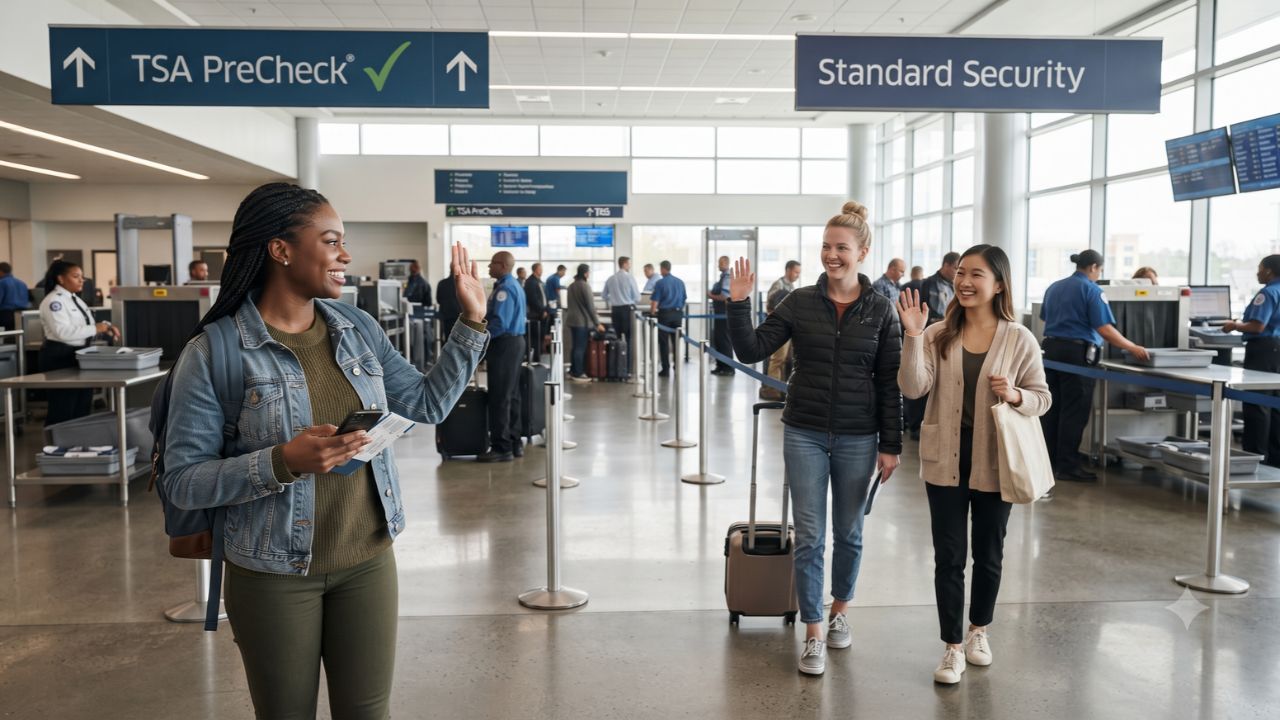
As trusted traveler enrollment surges across the United States, an intense etiquette debate is sweeping airport terminals over whether passengers with TSA PreCheck should separate from travel companions stuck in standard security lines. While using expedited lanes can save between 15 and 30 minutes at major hubs like Atlanta, travel ethicists emphasize that the decision hinges on companion independence, family logistics, and mutual agreement.
The tension highlights a modern reality of commercial aviation: security checkpoints are no longer uniform. With millions of passengers vetted through Department of Homeland Security (DHS) trusted traveler programs, security queues have bifurcated into distinct speed tiers. When couples, coworkers, or friend groups arrive at security with unequal access, travelers face an immediate dilemma: sacrifice a paid, earned personal benefit to wait together in line, or part ways at the stanchions and reunite airside.
The Local Trend Revealed: Navigating the Expedited Screening Divide
TSA PreCheck grants pre-approved, low-risk flyers access to dedicated checkpoint lanes where shoes, light jackets, and belts remain on, while laptops and compliant 3-1-1 liquids stay inside carry-on bags. At major transfer hubs like Hartsfield-Jackson Atlanta International Airport (ATL), this expedited process routinely shaves 15 to 30 minutes off wait times during peak morning and late-afternoon flight banks.
Travel etiquette authorities and frequent flyers increasingly view temporary separation as entirely reasonable under specific conditions:
- Earned Personal Benefit: PreCheck membership requires an individual application, federal background vetting, in-person fingerprinting, and a non-refundable government fee. Asking an enrolled traveler to stand in a 45-minute standard queue invalidates the time investment they made to streamline their transit.
- Mutual Airside Value: When an enrolled traveler breezes through security, they can perform productive tasks for the group—such as securing adjacent gate seating, ordering food or coffee, monitoring boarding gate changes, or checking into airline lounges.
- Pre-Agreed Consent: Successful separation depends on discussing plans before stepping into the terminal lobby. If both travelers agree on an exact rendezvous point past security, temporary detachment creates zero social friction.
Cultural & Environmental Value: Checkpoint Efficiency and Group Dynamics
Beyond personal convenience, utilizing designated fast lanes directly benefits overall terminal operations. When eligible travelers use TSA PreCheck rather than standard queues, they reduce line density for non-enrolled passengers, allowing Transportation Security Administration officers to process regular lines with greater focus and speed.
However, travel specialists draw a clear line between independent adults and companions requiring active support. Navigating security involves complex spatial instructions, metal detectors, full-body millimeter-wave scanners, and strict baggage handling rules. Leaving a vulnerable traveler to navigate these hurdles alone violates basic travel etiquette.
Decision Matrix: When to Separate vs. When to Stay Together
| Travel Scenario | Recommended Action | Operational Rationale |
|---|---|---|
| Business Colleagues | Separate at Checkpoint | Professional autonomy; allows PreCheck user to work or secure quiet meeting space |
| Experienced Adult Friends / Couples | Separate by Agreement | Both parties navigate airports comfortably; faster traveler grabs refreshments airside |
| Families with Children Under 12 | Stay Together in PreCheck | Official TSA policy permits kids 12 and under to join enrolled parents in PreCheck for free |
| Teens Aged 13 to 17 | Verify Boarding Passes | Eligible for PreCheck lane only if on same reservation and PreCheck logo prints on pass |
| Nervous or First-Time Flyers | Stay Together in Standard | Emotional support and procedural guidance outweigh personal time savings |
| Elderly Relatives or Mobility Impaired | Stay Together in Standard | Physical assistance with carry-on bags, walkers, and bin management takes priority |
Visitor Insider Tips: Mastering Airport Etiquette with Unequal Access
Travelers flying with companions who lack trusted traveler credentials can ensure a harmonious departure using these practical protocols:
- Establish an Exact Airside Meeting Anchor: Never agree to "meet past security," as terminal layouts can be disorienting. Name a specific landmark: the Starbucks adjacent to Gate B14, the central departure flight information board, or the airline customer service desk.
- Leverage Divided Responsibilities: The PreCheck traveler should use their extra 20 minutes constructively: locate the departure gate, confirm overhead bin status for regional commuter jets, fill water bottles at hydration stations, or pick up pre-flight meals for both travelers.
- Know the TSA Family Age Exemptions: Many families needlessly separate because they misunderstand federal rules. Children aged 12 and under can automatically accompany an enrolled parent or guardian through the TSA PreCheck lane without separate enrollment. For teenagers aged 13 to 17, check their boarding passes at home: if the TSA PreCheck indicator appears, they may join; if not, one parent should accompany them through standard screening.
- Monitor Hub Wait Times via MyTSA: Download the official MyTSA mobile application to monitor live queue estimates at major airports such as Atlanta (ATL), Chicago O'Hare (ORD), Denver (DEN), and Los Angeles (LAX). If standard wait times show less than 10 minutes, staying together in the standard line represents an easy, polite gesture.
- Gift Enrollment for Future Flights: If traveling frequently with a partner or relative who lacks PreCheck, consider gifting them an application. Many premium travel credit cards reimburse the $78 application fee every four to five years, eliminating the etiquette debate permanently.
Tourism Outlook: Personalization Reshapes the American Airport Experience
The conversation surrounding TSA PreCheck reflects a broader transformation within US civil aviation. From biometric facial-recognition boarding gates and digital driver's licenses to priority security clearances, airport navigation is becoming increasingly customized to the individual passenger.
As airports expand automated identity verification systems, travelers will encounter more choices between speed and shared travel rituals. Navigating these modern corridors smoothly ultimately relies not just on algorithms and fast lanes, but on clear communication, situational empathy, and thoughtful travel etiquette.
Related Travel Guides
Disclaimer
This article is for informational and educational purposes only. It does not constitute legal, financial, or professional advice. While we strive to provide accurate and up-to-date information, travel policies, regulations, and conditions change rapidly. Always verify information with official sources before making travel decisions. Nomad Lawyer makes no representations about the accuracy, reliability, completeness, or suitability of the information provided. Readers should consult qualified professionals for advice specific to their circumstances. The views expressed in this article are those of the author and do not necessarily reflect the views of Nomad Lawyer.
Naina Thakur
Contributor & Travel Specialist
Travel enthusiast and legal writer covering visa regulations, responsible tourism, and cultural journeys across global destinations.
Learn more about our team →