
TSA PreCheck Unveils AI Baggage Scanners and Arms-Down Screening to Double Checkpoint Capacity Across US Airports
The TSA prepares to deploy its PreCheck mod set across seven US airports, featuring automated e-gates, natural arms-down body scanners, and AI carry-on screening under the Horizon 25 initiative.

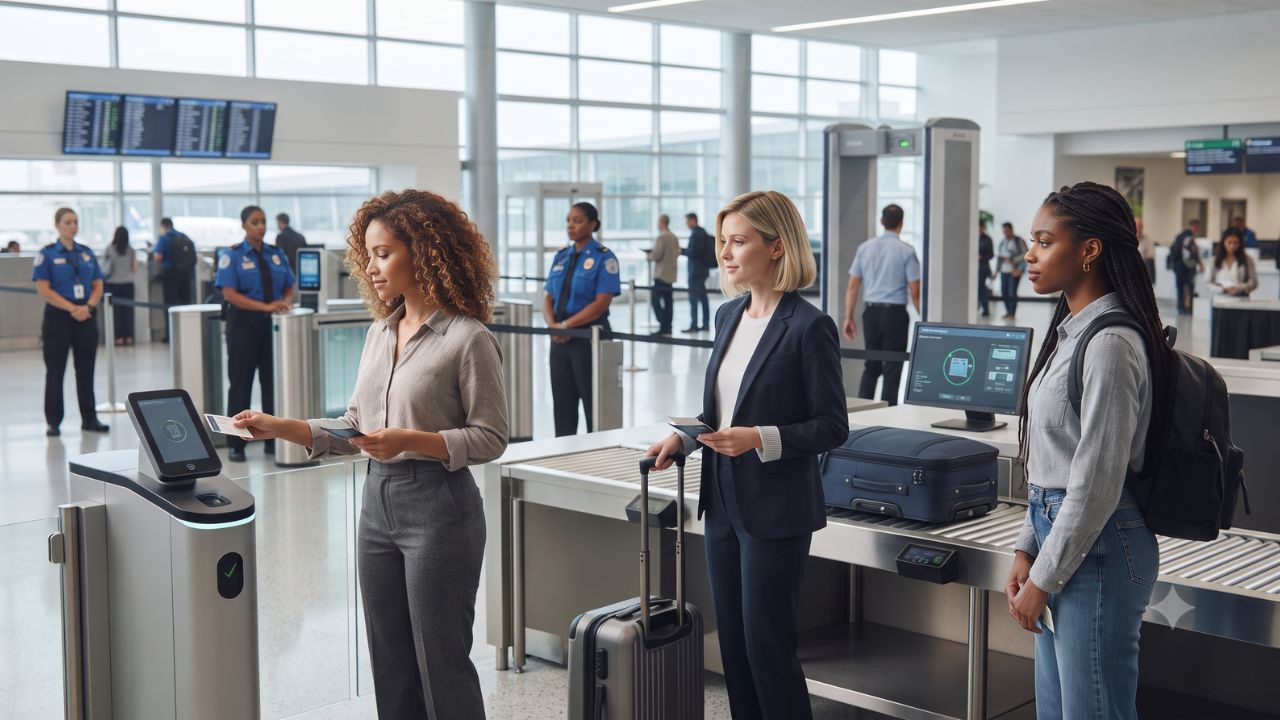
The awkward airport ritual of raising your hands above your head inside full-body scanners is coming to an end as the Transportation Security Administration prepares to double checkpoint throughput with natural arms-down scanning and artificial intelligence. Unveiled by TSA Administrator David Cummins on October 6, 2026, during an aviation security symposium in Arlington, Virginia, the agency's new "PreCheck mod set" integrates automated electronic identification gates, relaxed-posture imaging, and algorithm-assisted luggage inspection into a unified screening lane.
Scheduled for initial field deployment across seven major United States airport hubs over a six-week rollout window, the system forms the technical core of "Horizon 25," a comprehensive modernization strategy debuting ahead of the agency’s 25th anniversary in November 2026. By automating repetitive verification tasks, the agency aims to scale passenger processing capacity from its current base of 50 million enrolled trusted travelers toward a projected 70 million members over the next three years.
The Horizon 25 Blueprint and the PreCheck Mod Set
The PreCheck mod set departs from the historical practice of adding isolated, standalone scanning machines to crowded airport queues. Instead, the initiative synchronizes three distinct hardware and software technologies into a single continuous checkpoint lane managed by the Transportation Security Administration:
- Automated Electronic Identity Gates: Passengers scan digital mobile credentials or physical identification at automated barrier gates that verify boarding authorization without requiring manual document handling by officers.
- Next-Generation Advanced Imaging Technology (AIT): Upgraded millimeter-wave passenger scanners permit travelers to stand comfortably with their arms resting at their sides, accelerating scanning cycles and improving comfort for passengers with limited shoulder mobility.
- Artificial Intelligence Luggage Algorithms: Computed tomography (CT) carry-on scanners utilize computer vision models to flag potential weapon profiles and explosive anomalies in three dimensions, allowing screening officers to focus attention strictly on complex baggage scans.
While automated algorithms accelerate threat detection, final clearance decisions remain under human security officer control. The agency confirmed that checkpoint automation will not trigger workforce layoffs, with staffing adjustments managed entirely through standard employee attrition.
Gateside Access and Digital Credentials Expansion
The technological overhaul coincides with expanded non-flyer terminal access policies. On September 9, 2026, the agency expanded its "Gateside by TSA PreCheck" initiative across major airports including Los Angeles (LAX), Detroit (DTW), Dallas Fort Worth (DFW), Las Vegas (LAS), and Salt Lake City (SLC). The program enables approved trusted travelers to clear security screening and access airside terminal amenities, restaurants, and departure gates to accompany elderly relatives, escort unaccompanied minors, or meet arriving family members without purchasing an airline ticket.
Simultaneously, a federal Office of Management and Budget approval finalized on August 31, 2026, cleared regulatory pathways for expanded touchless digital identity verification. Participating state mobile driver's licenses and digital wallet passes can now interface directly with checkpoint biometric cameras, matching facial geometry against secure federal databases in fractions of a second under standards set by the Department of Homeland Security.
System Architecture, Rollout Milestones, and Passenger Impact
The table below summarizes the key technical components, operational benefits, and deployment timelines comprising the TSA modernization program:
| Security Component | Technical Innovation | Operational Benefit | Passenger Action Required | Rollout Timeline |
|---|---|---|---|---|
| PreCheck Mod Set | Integrated e-gates + AI baggage screening | Up to 100% increase in lane throughput capacity | Stand naturally with arms down; leave shoes/belts on | 7 airports initial pilot (Oct–Nov 2026) |
| Next-Gen Body Scanners | Low-profile millimeter wave imaging | Eliminates overhead arm raising; faster capture | Stand on foot markers for 2–3 seconds | Phased expansion under Horizon 25 |
| Touchless Digital ID | Digital wallet & mobile driver's license integration | Eliminates physical document inspection | Opt-in via supported state mobile ID apps | Approved Aug 31, 2026; active at select hubs |
| Gateside Access | Airside gate entry for non-ticketed PreCheck members | Permits family escorts and airport dining visits | Register online with Known Traveler Number (KTN) | Active at LAX, DFW, DTW, LAS, SLC |
| Horizon 25 Strategy | Agency-wide technology & customer service framework | Balances rapid throughput with aviation threat detection | Maintain active 5-year PreCheck membership | Official launch November 2026 |
Visitor Insider Tips for Navigating Upgraded Checkpoints
- Verify Boarding Pass Indicators: Ensure your Known Traveler Number (KTN) is properly attached to your airline profile prior to check-in. If the green "TSA PreCheck" indicator does not appear on your digital or paper boarding pass, automated e-gates will not grant entry to the expedited lane.
- Adhere to Prohibited Liquid Volumes: While CT baggage scanners eliminate the need to remove laptops and 3-1-1 compliant liquids from carry-on luggage, the standard 3.4-ounce (100 ml) liquid volume restriction remains strictly enforced.
- Plan Ahead for Gateside Visitor Passes: When using Gateside access to meet arriving travelers at LAX, DFW, or LAS, submit your digital pass request at least 24 hours prior to arrival. You must clear standard PreCheck screening and present approved government identification at terminal entry.
- Expect Phased Deployment Variations: The PreCheck mod set is currently limited to selected lanes across seven testing airports. Arrive with standard airport buffer times (two hours for domestic flights, three for international) until lane configurations become uniform nationwide.
Cultural and Privacy Context of Automated Airport Transit
The transition toward automated biometric gates and algorithmic security screening reflects an ongoing evolution in transportation infrastructure. While high-speed digital gates significantly reduce physical bottlenecks in cavernous airport terminals, they also prompt important discussions regarding civil liberties, data privacy, and facial recognition storage.
Federal guidelines mandate that digital biometric captures at TSA checkpoints remain opt-in for domestic passengers, with image files deleted immediately after identity validation rather than stored in permanent commercial tracking archives. As global airports balance record traveler volumes with strict security protocols, frictionless acoustic and visual scanning systems demonstrate how engineering innovation can preserve passenger dignity without compromising national airspace protection.
FAQ: TSA PreCheck Modernization 2026
What is the new arms-down scanning procedure in TSA PreCheck?
New Advanced Imaging Technology allows passengers to stand with their arms resting naturally at their sides during body scans, replacing the older overhead-arm posture.
When will the seven-airport PreCheck mod set rollout occur?
The initial field deployment across seven targeted US airports is scheduled to take place over a six-week window beginning in mid-October 2026.
What is Gateside by TSA PreCheck?
Gateside is a program allowing approved PreCheck members to pass security without a boarding pass to visit airport shops, restaurants, or accompany family to departure gates at participating airports.
Will automated security gates lead to TSA officer job cuts?
No. TSA Administrator David Cummins confirmed the agency has no plans for layoffs, managing staffing adjustments entirely through natural employee attrition.
The future of airport security replaces physical barriers with smart verification, letting travelers move naturally toward their destinations.
Related Travel Guides
Disclaimer
This article is for informational and educational purposes only. It does not constitute legal, financial, or professional advice. While we strive to provide accurate and up-to-date information, travel policies, regulations, and conditions change rapidly. Always verify information with official sources before making travel decisions. Nomad Lawyer makes no representations about the accuracy, reliability, completeness, or suitability of the information provided. Readers should consult qualified professionals for advice specific to their circumstances. The views expressed in this article are those of the author and do not necessarily reflect the views of Nomad Lawyer.
Kunal K Choudhary
Co-Founder & Contributor
A passionate traveller and tech enthusiast. Kunal contributes to the vision and growth of Nomad Lawyer, bringing fresh perspectives and driving the community forward.
Learn more about our team →