Tourism is Not a Thing, It’s a Collection of Things: The Hidden Truths About Global Travel Revealed


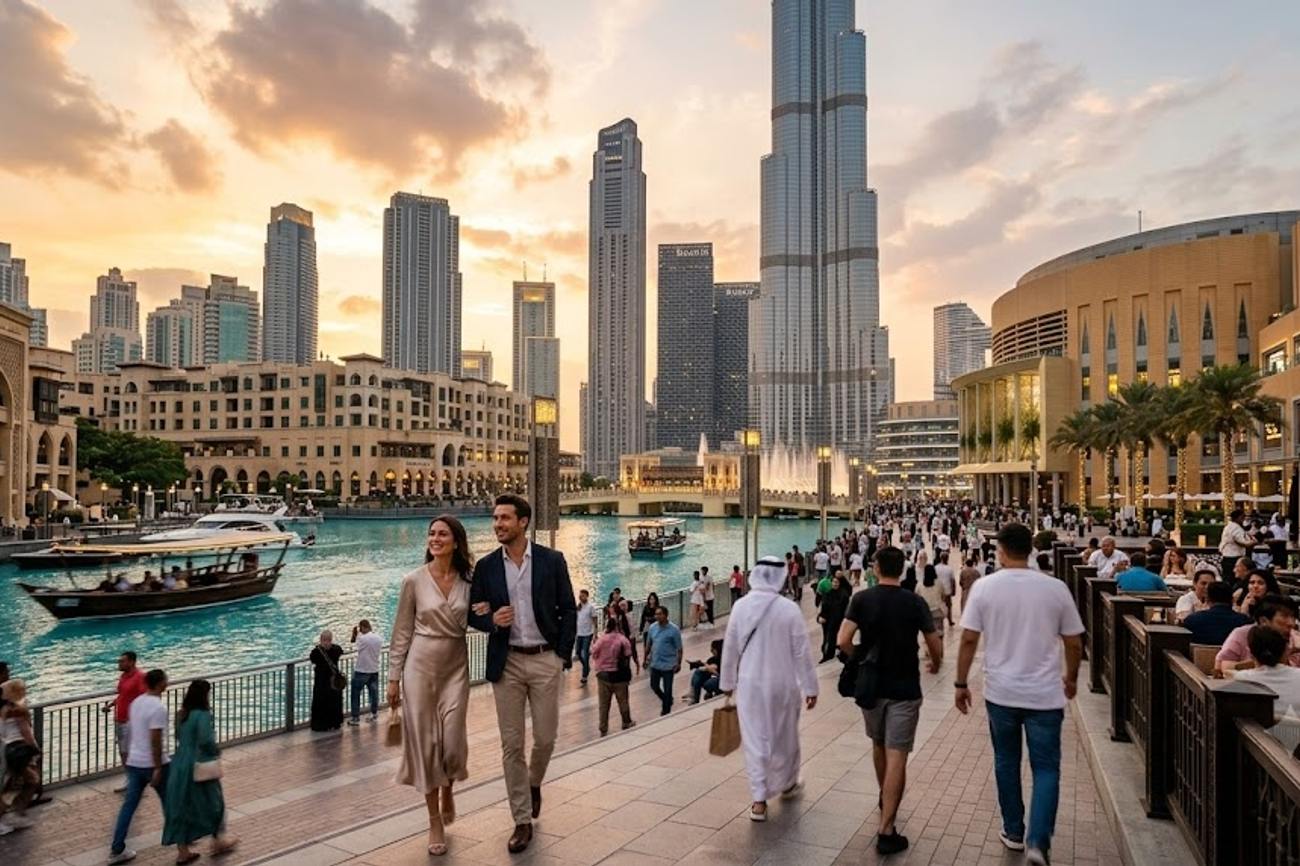
Image generated by AI
Zero unified frameworks currently exist to synchronize the disparate subsectors of the global travel supply chain, leaving the industry in a state of operational fragmentation. While sustainability is the dominant narrative in corporate boardrooms, the lack of a standardized global language means that environmental commitments often remain rhetorical rather than operational. This systemic gap allows "greenwashing" to proliferate, as organizations pursue conflicting initiatives that dilute ecological progress and confuse the end consumer.
The Fragmentation of the Global Travel Supply Chain
The primary obstacle to sustainable travel is the misconception that tourism is a singular industry. In reality, it is a sprawling, multi-layered supply chain comprising hundreds of independent subsectors—ranging from aviation and hospitality to local transport and municipal waste management. When a traveler books a trip, they are not interacting with one business, but with a precarious web of contractors.
The current model relies on a "promotional" mindset. For decades, Destination Marketing Organizations (DMOs) have operated as glorified advertising agencies. Their sole metric of success has been the increase of visitor volume. This volume-centric approach ignores "carrying capacity"—the maximum number of people a destination can support without permanent environmental or social degradation.
To rectify this, the industry must transition from destination marketing to destination management. This shift requires moving financial resources away from billboards and social media campaigns and toward the hardening of local infrastructure. Without this pivot, the surge in global mobility will continue to outpace the ability of local ecosystems to recover.
The Mechanics of Corporate Accountability
The shift toward genuine sustainability is not being driven by individual travelers or small hotel owners, but by the "wholesale" layer of the industry. Large-scale corporate buyers and hospitality conglomerates hold the leverage necessary to force systemic change through mandated certifications.
When a corporate giant or a major tour operator refuses to contract with a property that lacks a recognized sustainability credential, the economic incentive for the provider shifts instantly. This top-down pressure ensures that standards are not merely suggestions but requirements for market entry.
| Influence Tier | Primary Driver | Impact on Sustainability |
|---|---|---|
| Consumer | Personal Preference | Low (fragmented demand) |
| Hotel Manager | Operational Cost | Medium (compliance-based) |
| Wholesale Contractor | Contractual Mandates | High (systemic requirement) |
| Corporate Giant | Brand Equity/ESG | Very High (market-wide shift) |
For example, entities such as EasyJet Holidays and the Ascot Hotel Group utilize their procurement power to require thousands of affiliated properties to secure certifications. By making these credentials a prerequisite for lucrative business contracts, these organizations effectively outsource the enforcement of environmental standards across the entire supply chain. This mechanism, supported by the Global Sustainable Tourism Council (GSTC), transforms sustainability from a marketing luxury into a business necessity.
Expert Analysis: The Political Failure of Tourism Governance
For travelers booking international routes, the direct consequence of current industry structures is a volatile experience characterized by "overtourism" in hotspots and crumbling infrastructure in emerging destinations. The root cause is a failure of public sector capacity.
Tourism is frequently treated by governments as a superficial revenue generator rather than a complex economic discipline. This leads to a dangerous cycle: a politician appoints a tourism minister based on political loyalty rather than industry expertise. These leaders typically operate on short-term political cycles (2-4 years), which is fundamentally incompatible with the multi-decade timelines required for ecological restoration and infrastructure development.
The pricing pressure this creates is subtle but real. When destinations fail to manage capacity, the "hidden costs" of tourism—such as increased local inflation, waste management failures, and environmental degradation—are eventually passed back to the traveler through higher taxes, "tourist fees," or a degraded experience that no longer matches the promotional imagery.
To stabilize this, national tourism ministries must be insulated from political turnover. We need a professionalized bureaucracy of travel experts who can implement master plans that survive election cycles. Only then can the industry move from a "growth-at-all-costs" model to a "value-per-visitor" model. This transition is essential for the long-term viability of the sector, as outlined by the World Tourism Organization (UNWTO) and the International Air Transport Association (IATA).
Key Takeaways
- Supply Chain Complexity: Tourism is a collection of fragmented subsectors, not a single industry, making unified sustainability efforts difficult without a global standard.
- Management vs. Promotion: Destinations must stop focusing on increasing visitor numbers (promotion) and start investing in infrastructure and carrying capacity (management).
- The Power of Wholesalers: Real change is driven by top-down mandates from corporate giants and wholesale contractors who require certifications for their partners.
- Political Instability: Short-term political cycles in tourism ministries prevent the implementation of long-term ecological strategies.
- The Greenwashing Gap: Without verifiable international benchmarks, sustainability claims remain ambiguous and often lack empirical backing.
FAQ: Global Tourism Management 2024
How do I know if a hotel's sustainability claim is real? Look for certifications recognized by the Global Sustainable Tourism Council (GSTC). Avoid generic terms like "eco-friendly" and search for third-party audits that verify water usage, waste management, and fair labor practices.
What is "carrying capacity" in tourism? It is the maximum number of visitors a destination can sustain without causing permanent damage to the environment or decreasing the quality of life for local residents.
Why are some cities introducing tourist taxes? These taxes are often a desperate attempt to fund "destination management" (infrastructure and cleaning) after years of focusing only on "destination promotion" (increasing visitor counts).
Do corporate travel mandates actually help the environment? Yes. When major buyers require certifications, it forces thousands of small suppliers to upgrade their operations to maintain their contracts, creating a ripple effect of sustainability across the supply chain.
The illusion of the vacation ends where the reality of the supply chain begins.
Tags: GSTC, Destination Management, Sustainable Tourism 2024, Overtourism Policy, EasyJet Holidays, Ascot Hotel Group
Related Travel Guides
This article is for informational purposes. Flight routes, passenger regulations, visa rules, and transit advisories are subject to change by airlines and aviation authorities. Readers are advised to verify schedules and travel documentation with relevant carriers and border agencies before departure.
Related Stories

Viennale 2026: Guide to Austria’s Premier International Film Festival