Japan Tourism Boom: Neighbors Lead the Way in Inbound Growth

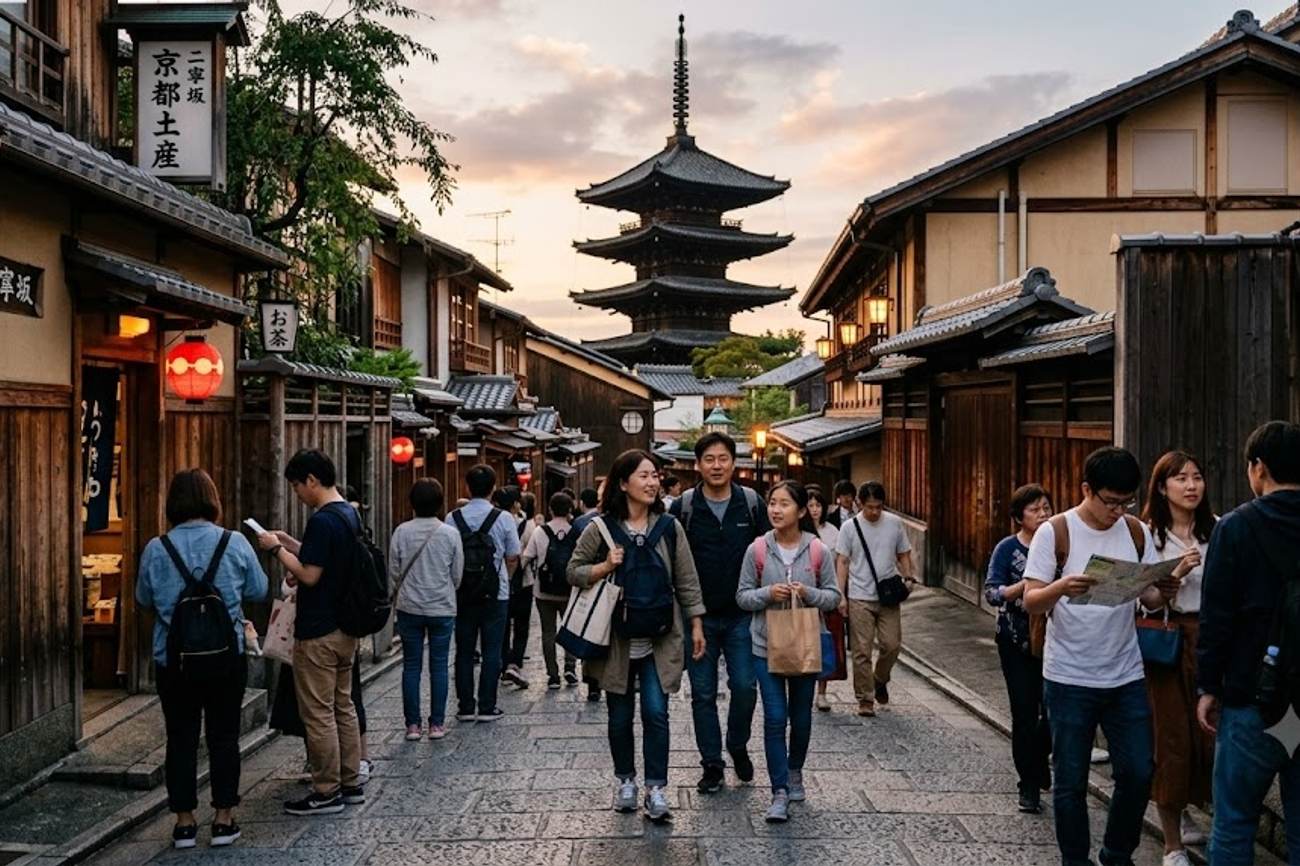
Image generated by AI
Japan's inbound tourism volume has transitioned from a recovery phase to an unprecedented expansion, with neighboring Asian markets—specifically South Korea and Taiwan—now serving as the primary engines of growth. This shift represents a fundamental pivot in regional travel patterns, where proximity and currency advantages are outweighing long-haul destination preferences, signaling a new era of East Asian intra-regional mobility.
The Inbound Surge in Numbers: Regional Dominance
The current Japanese tourism trajectory is not a uniform global increase but a concentrated surge driven by specific geographic corridors. Data indicates that South Korea and Taiwan are the most aggressive growth drivers, leveraging high-frequency flight connectivity and deep cultural affinities to sustain a high volume of repeat visitors. This pattern is reflective of broader trends tracked by the World Tourism Organization (UNWTO), where short-haul regional travel often recovers faster and peaks higher than long-haul segments due to lower cost barriers.
The growth is further amplified by a specific economic catalyst: favorable currency valuations. The depreciation of the yen has effectively lowered the "entry price" for international visitors, making luxury experiences and high-end retail more accessible to the middle-class demographics of neighboring Asian nations. This has shifted the visitor profile from occasional tourists to frequent, short-term explorers who visit multiple times per year, often targeting different seasonal attractions.
Comparative Market Dynamics: Inbound vs. Outbound
While inbound metrics are breaking records, a stark divergence has emerged when comparing these figures to Japanese outbound travel. The domestic population's appetite for overseas leisure has stalled, creating a "tourism imbalance." This is primarily due to volatile exchange rates that have made international travel prohibitively expensive for the average Japanese citizen.
This imbalance creates a systemic risk for airline carriers and travel agencies that rely on reciprocal traffic. When inbound volume far exceeds outbound volume, it puts pressure on aviation infrastructure and disrupts the traditional bilateral flow of tourism. To counter this, industry stakeholders are now collaborating with foreign tourism boards to create subsidized or high-value outbound itineraries to re-stabilize the market.
| Metric | Inbound Trend (International to Japan) | Outbound Trend (Japan to International) | Primary Driver |
|---|---|---|---|
| Growth Rate | Record-breaking / Accelerating | Stagnant / Slow Recovery | Currency Valuation |
| Primary Markets | South Korea, Taiwan, Global | Global (Decreased Volume) | Exchange Rate Volatility |
| Visitor Frequency | High (Repeat Visitors) | Low (Suspended Leisure) | Cost of Travel |
| Infrastructure Impact | Urban Overcrowding / Congestion | Reduced Agency Revenue | Capacity Management |
Practical Traveler Advisory and Strategic Insights
For the individual traveler, the data suggests that the "Golden Route" (Tokyo, Kyoto, Osaka) is reaching a saturation point. The Japanese government is actively implementing sustainable tourism strategies to redistribute traffic toward rural prefectures and less-traveled regional destinations.
Actionable Booking Advice:
- Avoid Peak Urban Hubs: If you are planning a visit in the next 12-18 months, prioritize regional prefectures over Tokyo and Kyoto to avoid extreme overcrowding and infrastructure strain.
- Leverage Regional Transport: Utilize the upgraded regional transport networks. The shift toward "geographical distribution" means that rural areas now have better connectivity and more tourist-ready infrastructure than in previous years.
- Monitor Currency Fluctuations: For those traveling from Asian markets, the current favorable exchange rate makes this an optimal window for high-spend activities. However, for Japanese nationals, booking outbound travel requires a strategic approach—look for packages developed through the new partnerships between Japanese agencies and foreign tourism authorities to mitigate exchange rate losses.
- Booking Lead Times: Due to the record-breaking volume from South Korea and Taiwan, flight availability on short-haul routes can fluctuate rapidly. Booking 6-8 weeks in advance is recommended for regional flights.
Japan is experiencing a significant surge in regional arrivals, driven by streamlined travel protocols and increased flight frequencies from neighboring Asian hubs. According to the Japan National Tourism Organization, this growth is fueling a recovery in the MICE sector as corporate events return to major urban centers.
Forward Projection: Beyond the Peak
The current trajectory suggests that Japan's tourism appeal is not yet at its ceiling. The integration of modern urban attractions with traditional hospitality continues to draw a diverse global demographic. However, the long-term sustainability of this boom depends on two factors: the successful decentralization of tourists and the recovery of outbound travel.
According to data patterns often observed by IATA, a healthy aviation market requires balanced load factors in both directions. If Japan continues to be a "sink" for tourists without a corresponding "source" of outbound travelers, airlines may adjust pricing or frequency to compensate for the imbalance. We expect to see an increase in "niche" tourism products—such as agritourism and heritage stays in rural areas—as the government seeks to move the needle away from metropolitan congestion.
The shift toward sustainable tourism is no longer optional but a logistical necessity. The implementation of innovative management strategies at heritage sites will likely include timed entry systems or capacity caps, mirroring trends seen in other high-density European destinations.
FAQ: Japan Tourism Trends 2024-2025
Will travel costs to Japan increase? While the yen remains favorable for many, the surge in demand is driving up prices for luxury hotels and peak-season flights. Booking regional accommodations rather than city-center hotels is the most effective way to manage costs.
Is it still a good time to visit Kyoto and Tokyo? Yes, but expect significant overcrowding. To have a better experience, travelers should shift their itineraries toward the "hidden gems" and rural prefectures that the government is currently promoting to alleviate urban congestion.
Which airlines are expanding on these routes? LCCs (Low-Cost Carriers) operating between South Korea, Taiwan, and Japan are seeing the most aggressive growth to accommodate the high volume of short-term, repeat visitors.
Why is outbound travel from Japan struggling? The primary barrier is the exchange rate. The cost of international travel has risen significantly for Japanese residents, leading many to suspend overseas leisure trips in favor of domestic travel.
The data confirms that Japan has moved from a recovery phase to a growth phase, where the challenge is no longer attracting visitors, but managing the sheer volume of their arrival.
Tags: Japan-Inbound-Growth-2024, East-Asia-Travel-Corridors, Yen-Currency-Impact, South-Korea-Taiwan-Tourism-Volume, Sustainable-Tourism-Japan
Related Travel Guides
- Tourism is Not a Thing, It’s a Collection of Things: The Hidden Truths About Global Travel Revealed
- Kenya Makes Global Luxury Tourism Headlines with Tatler Africa Partnership Ahead of MKTE 2026
- Quetzaltenango Teams Up With Chichicastenango and More as Ultimate Travel Wonders of Guatemala Beckon Global Travellers
This article is for informational purposes. Flight routes, passenger regulations, visa rules, and transit advisories are subject to change by airlines and aviation authorities. Readers are advised to verify schedules and travel documentation with relevant carriers and border agencies before departure.
Related Stories
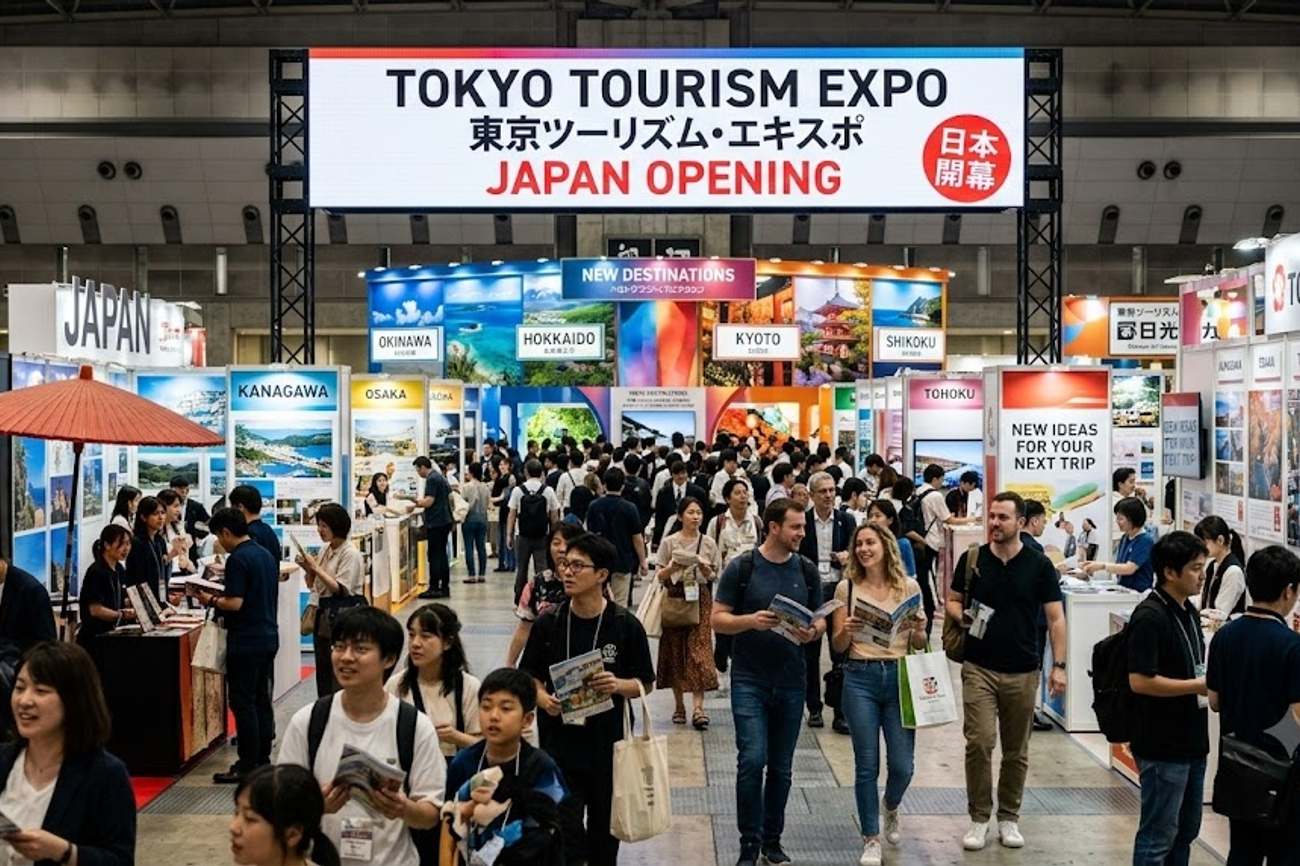
Japan Opens the Tokyo Tourism Expo to Visitors as New Destinations Offer More Ideas for Their Next Trip

Viennale 2026: Guide to Austria’s Premier International Film Festival