
The Secret Behind Why Dominican Republic Hidden Gems Like Cabo Rojo And Barahona Are Winning Global Travel Right Now, Here’s The Update
The Secret Behind Why Dominican Republic Hidden Gems Like Cabo Rojo And Barahona Are Winning Global Travel Right Now, Here’s The Update

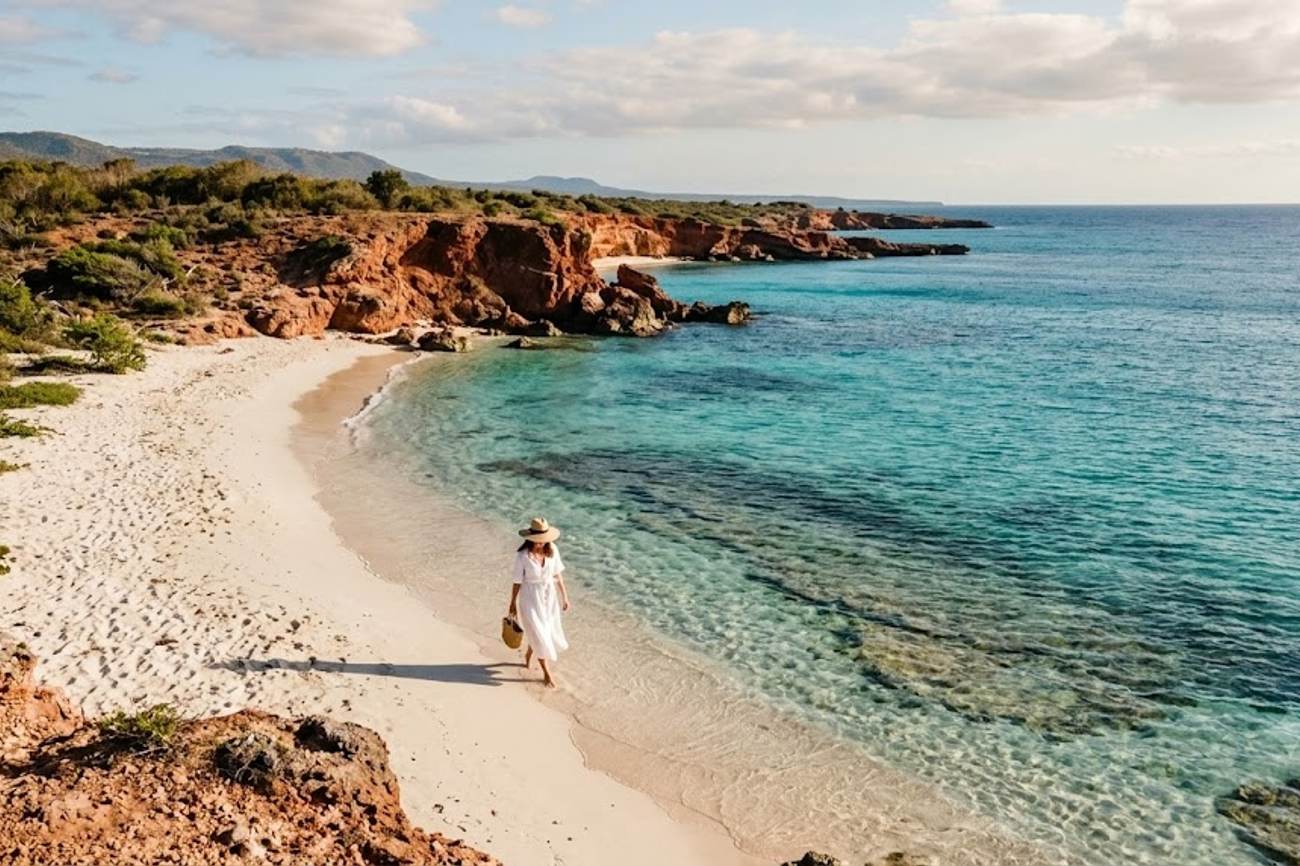
Image generated by AI
The Dominican Republic has effectively matched its entire 2022 annual visitor volume in just eight months of 2026, recording 8,556,415 arrivals by August. This velocity is not a fluke of timing but the result of a fifteen-year strategic pivot that shifted the nation from a simple "sun and sand" destination to a sophisticated infrastructure powerhouse.
The Strategic Pivot of the Caribbean
For decades, the region was viewed as a collection of isolated beach escapes. However, the Dominican Republic has spent the last 15 years executing a national masterplan that fundamentally altered its accessibility. Between 2011 and 2025, international arrivals surged from 4.7 million to 11.7 million. This growth was fueled by an aggressive modernization of air gateways, specifically the expansion of Las Américas International Airport in Santo Domingo and Punta Cana International Airport.
By aligning civil aviation agreements with specific tax incentives for hospitality developers, the government created a symbiotic relationship between flight capacity and room inventory. This ensured that as more long-haul routes from Europe, South America, and North America were established, the luxury infrastructure—particularly along Bávaro Beach—was already in place to receive them. This operational scale has allowed the country to outpace its Caribbean rivals, maintaining high hotel occupancy while keeping pricing competitive.
Beyond the All-Inclusive Bubble
While the mega-resorts of Punta Cana dominate the statistics, the true character of the country is found in the divergent energies of its regions. In the capital, Santo Domingo, the Zona Colonial serves as a living museum of the New World, where the rhythms of the city clash and blend with 16th-century Spanish architecture. Contrast this with the northern coast in Cabarete, where the economy is driven by wind and waves. Here, the surge in tourism has empowered independent water sports operators and small-scale entrepreneurs, creating a localized economic multiplier that keeps wealth within the community.
The expansion of the cruise sector has further decentralized the visitor experience. Ports like Taino Bay and Amber Cove in Puerto Plata now channel passengers directly into historic districts and local eateries. More significantly, the development of the Cabo Rojo cruise port in Pedernales is opening the southwestern frontier. This move is a deliberate attempt to prevent the pitfalls of overtourism in established hubs by distributing foreign currency to underdeveloped provinces, allowing the untamed beauty of the west to be shared without erasing its soul.
Visitor Insider Tips
To experience the country through a local lens, you must move beyond the gated resorts.
Timing and Flow: To avoid the heaviest crowds, target the shoulder seasons of May to June or November to early December. If you are visiting the popular beaches of Punta Cana, venture out on weekdays; the weekends are when locals from Santo Domingo migrate to the coast, filling the public beach areas.
Regional Basing: Instead of staying exclusively in a resort, split your time. Base yourself in a boutique hotel in the Zona Colonial for a few days to absorb the history, then move to the Samaná Peninsula. Samaná is currently seeing a massive influx of Foreign Direct Investment into eco-lodges and boutique stays, making it the ideal spot for those seeking a slower pace.
Transport Hacks: While tourist shuttles are convenient, using local transport cooperatives provides a more authentic glimpse into daily life. For regional travel, look for "guaguas" (local buses), but always confirm the destination with a local first. For those heading to Santiago de los Caballeros, take advantage of the upgraded airport infrastructure to avoid the long drive from the coast.
Local Flavities: Move past the hotel buffet. Seek out "pica pollo" (fried chicken) from street vendors or try "la bandera dominicana" (the Dominican flag)—a traditional lunch of rice, beans, and stewed meat. In the coastal towns, prioritize seafood caught that morning by local fishermen.
Cultural and Environmental Context
The rapid growth of the tourism sector—which now supports approximately 893,000 jobs—creates a complex tension between economic necessity and heritage preservation. The influx of capital into areas like Uvero Alto and the Samaná Peninsula has brought modern, energy-efficient infrastructure, but it also puts pressure on public utilities and natural ecosystems.
The Dominican government has attempted to mitigate this by implementing national tourism development laws that offer tax breaks for sustainable projects. The goal is to ensure that the "rekindling" of the country is not just about restoring old sites, but about forging a new identity that balances luxury with ecology. The shift toward eco-lodges in the northeast suggests a growing awareness that the country's greatest asset is not its hotel capacity, but its untamed natural beauty. By integrating local supply chains—where resorts purchase agricultural goods directly from regional farms—the industry is attempting to ensure that the 12-million-visitor threshold translates into tangible quality-of-life improvements for the villagers who have hosted travelers for generations.
For those planning a trip, consulting the official tourism board can provide the latest on entry requirements and regional events.
FAQ: Visiting Dominican Republic 2026
What is the best time to visit? The ideal windows are May to June or November to early December. These periods offer a balance of pleasant weather and fewer crowds compared to the peak winter season.
Do I need a visa? Most visitors from the US, Canada, and the EU do not need a visa for short tourist stays, but a mandatory "e-ticket" is required for entry. Check current regulations via official government portals.
How do I get there from major hubs? Direct flights are available to Punta Cana (PUJ), Santo Domingo (SDQ), and Santiago (STI). For those in Europe or North America, these three airports offer the most efficient entry points.
Is it safe for solo travelers? Yes, provided you stay in well-traveled areas and use registered transport. The Zona Colonial and major resort hubs are very accustomed to solo international tourists.
The Dominican Republic is no longer just a destination; it is a masterclass in how a nation can engineer its own rebirth.
#DominicanRepublicTravel2026 #SamanáEcoTourism #SantoDomingoCulture #PuntaCanaInfrastructure #CaboRojoFrontier
Related Travel Guides
Disclaimer
This article is for informational and educational purposes only. It does not constitute legal, financial, or professional advice. While we strive to provide accurate and up-to-date information, travel policies, regulations, and conditions change rapidly. Always verify information with official sources before making travel decisions. Nomad Lawyer makes no representations about the accuracy, reliability, completeness, or suitability of the information provided. Readers should consult qualified professionals for advice specific to their circumstances. The views expressed in this article are those of the author and do not necessarily reflect the views of Nomad Lawyer.
Raushan Kumar
Founder & Lead Developer
Full-stack developer with 11+ years of experience and a passionate traveller. Raushan built Nomad Lawyer from the ground up with a vision to create the best travel and law experience on the web.
Learn more about our team →