
Africa Welcomes Vacationers Worldwide But Unexpected Travel Conversion Bottlenecks Continue To Halt Seamless Trips
Africa Welcomes Vacationers Worldwide But Unexpected Travel Conversion Bottlenecks Continue To Halt Seamless Trips

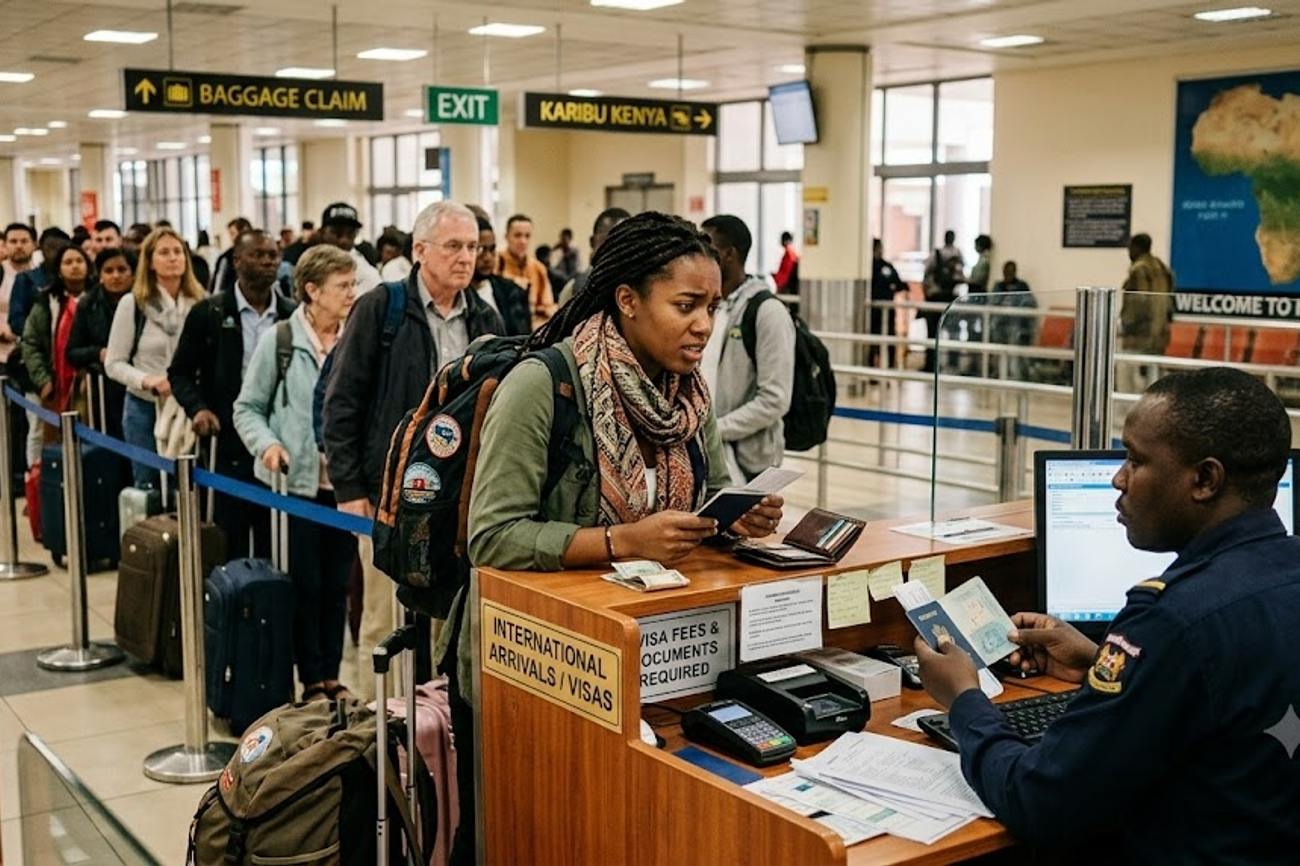
Image generated by AI
Sub-Saharan Africa’s regional performance growth rate has climbed by +2.1% since 2019, the strongest increase of any global region, yet its overall average index score of 3.33 remains significantly lower than Europe’s benchmark of 4.26. This data reveals a critical "conversion gap": while the appetite for African destinations is accelerating faster than anywhere else on earth, the operational infrastructure is failing to convert that interest into high-value, seamless travel experiences.
The Sub-Saharan Conversion Gap in Numbers
The current state of travel in Sub-Saharan Africa is defined by a paradox of high growth but low operational maturity. According to 2024 benchmarks, the +2.1% growth rate since 2019 indicates a surging global demand. However, the index score of 3.33 suggests that the actual experience of traveling within the region lags behind developed markets. This gap is not a result of a lack of assets—the region possesses world-class heritage sites and natural wonders—but rather a failure in "market execution."
The data indicates that the recent growth is primarily "administrative" rather than "structural." Approximately 57% of nations in Sub-Saharan Africa have implemented electronic visa systems, reducing the friction of entry. Yet, this digital progress at the border does not translate to the ground. Once a traveler enters the region, they encounter a fragmented ecosystem of last-mile roadway networks and inconsistent flight schedules. For example, sites like the Osun-Osogbo Sacred Grove in Nigeria attract significant interest, but the surrounding physical infrastructure has remained stagnant for years, creating a bottleneck that prevents these sites from reaching their full commercial potential.
Comparative Market Execution: Africa vs. Europe
When comparing Sub-Saharan Africa to established markets like Europe, the disparity lies in "operational reliability." In European markets, the benchmark score of 4.26 is supported by instant booking confirmations, payment security, and transparent customer assurances. In contrast, the Sub-Saharan model relies heavily on seasonal spikes—such as the Osun-Osogbo Festival—rather than year-round commercial products.
The following table illustrates the systemic divide between the emerging Sub-Saharan market and the mature European benchmark.
| Metric | Sub-Saharan Africa (2024) | Europe (Benchmark) | Variance/Gap |
|---|---|---|---|
| Regional Performance Growth (Since 2019) | +2.1% (Global Lead) | Stable/Moderate | Africa Leading |
| Average Index Score | 3.33 | 4.26 | -0.93 Points |
| E-Visa Adoption Rate | ~57% of nations | Near Universal | High Gap |
| Primary Growth Driver | Policy/Visa Liberalization | Infrastructure Maturity | Structural |
| Revenue Retention | 20% - 40% (Local) | High Local Capture | Severe Leakage |
This data suggests that while the World Tourism Organization (UNWTO) may see rising arrival numbers, the economic benefit is not staying within the destination. The "leakage" phenomenon is stark: between 60% and 80% of total international travel spending in developing destinations flows back to non-local third-party entities, foreign flight operators, and international aggregators.
What This Means for Travelers
For the individual traveler, these statistics translate into a high-friction booking experience. If you are planning a trip to Nigeria or other Sub-Saharan hubs in the coming year, you cannot rely on the same "instant-book" confidence found in the EU or North America.
- Buffer Your Logistics: Because last-mile transit and regional flight schedules remain fragmented, travelers should build 20% more time into their itineraries for ground transfers.
- Verify Local Payment Methods: Given the lack of transparent digital payment systems mentioned in the benchmarks, ensure you have a mix of reliable payment methods. Do not assume a boutique hotel or regional guide can process a standard international credit card seamlessly.
- Book Outside Peak Festivals: While events like the Osun-Osogbo Festival are cultural highlights, the lack of year-round infrastructure means that during these windows, pricing becomes inconsistent and availability disappears. To avoid "operational friction," schedule visits to major landmarks during shoulder seasons.
- Direct Booking for Ethical Impact: With up to 70% of spending leaking to foreign aggregators, travelers who wish to support local economies should seek direct booking channels with domestic boutique hotels and local guides wherever possible.
The $168 Billion Infrastructure Projection
The trajectory of the region suggests that the next phase of growth will not be driven by marketing, but by the unlocking of "trapped capital." There is an estimated $168 billion in potential economic growth currently locked away due to ineffective local value capture chains.
To capture this, the industry must move toward "structural reliability." This involves transitioning from a seasonal event-based model to a consistent, year-round commercial offering with clear cancellation terms and stable pricing. According to data trends tracked by IATA, increasing air traffic is a prerequisite for this shift, but it must be matched by the development of "last-mile" connectivity.
If Sub-Saharan Africa can close the 0.93-point gap in its index score to match European benchmarks, the result will be a shift from "passive interest" to "confirmed, paid bookings." The focus is now shifting toward attracting institutional investors who require transparent financial data and visitor spending metrics—tools that are currently missing from the regional toolkit.
FAQ: Sub-Saharan Travel Trends 2024-2025
Will travel costs in Sub-Saharan Africa increase as infrastructure improves? Likely yes, but the value proposition will shift. While baseline prices may rise, the reduction in "operational friction" and the introduction of consistent pricing models will make budgeting more predictable for the international traveler.
Is now a good time to visit Nigeria's cultural landmarks? Yes, especially since 57% of the region has streamlined entry via e-visas. However, travelers should expect significant logistical challenges regarding ground transport and should book local guides well in advance.
Which airlines are expanding in this region? While specific carriers vary, the trend is toward increased regional connectivity to reduce the "fragmented flight schedules" cited in recent benchmarks. Check OAG for the latest capacity shifts in West and East African hubs.
Why is so much money "leaking" out of the African tourism market? Because most bookings occur through foreign-owned aggregators and international airlines. This means the majority of the payment never reaches the local drivers, guides, or hotel owners in cities like Lagos or Nairobi.
The transition from a destination of "dreams" to a destination of "deliverables" depends entirely on closing the gap between visa policy and pavement.
#SubSaharanGrowth2024 #TourismLeakageMetrics #NigeriaTravelInfrastructure #RegionalIndexScores #AfricanMarketExecution
Related Travel Guides
Disclaimer
This article is for informational and educational purposes only. It does not constitute legal, financial, or professional advice. While we strive to provide accurate and up-to-date information, travel policies, regulations, and conditions change rapidly. Always verify information with official sources before making travel decisions. Nomad Lawyer makes no representations about the accuracy, reliability, completeness, or suitability of the information provided. Readers should consult qualified professionals for advice specific to their circumstances. The views expressed in this article are those of the author and do not necessarily reflect the views of Nomad Lawyer.
Raushan Kumar
Founder & Lead Developer
Full-stack developer with 11+ years of experience and a passionate traveller. Raushan built Nomad Lawyer from the ground up with a vision to create the best travel and law experience on the web.
Learn more about our team →