
Race for the Skies: Next-Generation Supersonic Jets Set to Revolutionize Transatlantic Travel
Breaking airline news and aviation industry updates for 2026.

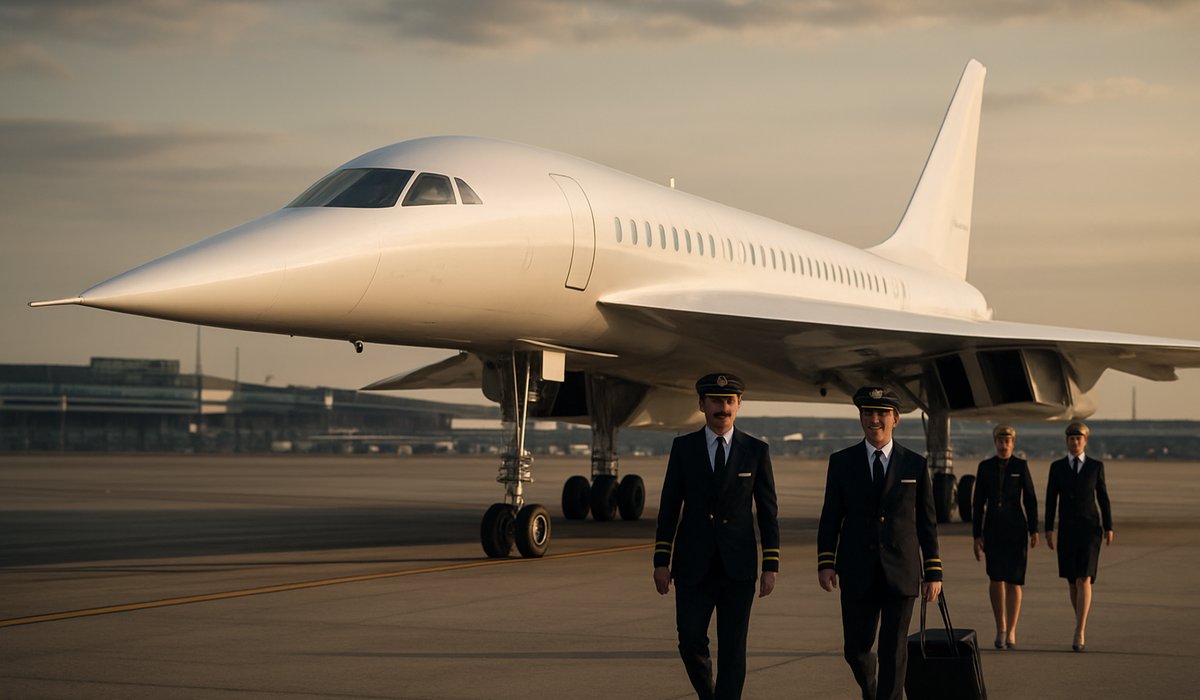
Image generated by AI
Race for the Skies: Next-Generation Supersonic Jets Set to Revolutionize Transatlantic Travel
After two decades of technological stagnation, multiple aerospace firms are aggressively pursuing hypersonic passenger aircraft, promising to cut transatlantic flight times in half
The Return of Supersonic Dreams
The era of supersonic commercial aviation came to an abrupt halt in 2003 when British Airways and Air France retired their iconic Concorde fleets, terminating nearly three decades of high-speed transatlantic service. Since then, the sector has remained dormant—a victim of stringent regulatory frameworks, unresolved noise pollution concerns, and insufficient commercial interest from major carriers. However, this prolonged stagnation is ending. Within the past 24 months, a renewed wave of aerospace innovation and venture capital investment has dramatically accelerated development timelines for next-generation supersonic platforms, signaling a fundamental shift in the aviation industry's trajectory.
Breaking the Technical Barrier
The resurgence reflects substantial progress on challenges that previously derailed supersonic ambitions. Contemporary materials science, computational fluid dynamics, and noise-suppression technologies have addressed long-standing obstacles that made earlier programs economically unfeasible. Multiple aerospace manufacturers and startups are now advancing competing designs intended for commercial deployment within this decade, fundamentally reshaping expectations for premium long-haul travel.
Industry Momentum and Market Implications
This development carries significant implications for the global aviation sector. The successful introduction of viable supersonic services would create premium travel segments commanding substantially higher fares than conventional aircraft, potentially generating substantial revenue streams for participating carriers. Additionally, the technology promises to reduce transatlantic crossing times from the current 6-8 hours to approximately 3-4 hours, fundamentally altering business travel patterns and transcontinental connectivity.
The commercial aerospace community recognizes this transition as transformative. Leading manufacturers are investing heavily in prototype development, regulatory certification pathways, and environmental compliance protocols—indicating genuine confidence in near-term commercial viability.
Regulatory and Environmental Considerations
While technological breakthroughs have cleared critical hurdles, regulatory agencies remain cautious. Noise abatement requirements, emissions standards, and safety certifications will determine whether these aircraft achieve regulatory approval for international service. Environmental advocates scrutinize fuel consumption and carbon footprints, requiring manufacturers to demonstrate sustainability credentials alongside performance specifications.
The convergence of technological feasibility, capital availability, and market demand suggests the aviation industry stands at an inflection point. After two decades of dormancy, supersonic passenger flight is transitioning from nostalgic relic to imminent commercial reality.
FAQ: Supersonic Aviation's Return
When will supersonic flights resume across the Atlantic? Multiple manufacturers project operational service entry between 2029 and 2035, pending regulatory certification and final development milestones.
How much faster will supersonic flights be compared to conventional aircraft? Next-generation supersonic jets are anticipated to cut transatlantic flight times approximately in half—from current 6-8 hour durations to roughly 3-4 hours.
What regulatory obstacles remain for supersonic aircraft certification? Primary barriers include noise pollution standards, emissions compliance, airspace regulations, and international safety certifications required across multiple jurisdictions.
Will supersonic tickets be affordable for average travelers? Industry projections suggest premium pricing similar to business-class fares, making supersonic travel accessible primarily to corporate travelers and affluent passengers rather than mass-market audiences.
How do environmental concerns factor into supersonic aviation's future? Fuel consumption and carbon emissions remain contentious issues requiring manufacturers to demonstrate sustainability improvements over conventional aircraft to satisfy regulatory and environmental standards.
Related Travel Guides
Flight Delay Compensation Guide 2026
Understanding Airline Route Changes
Airport Security Process Updated (2026)
External Resources
Disclaimer
This article is for informational and educational purposes only. It does not constitute legal, financial, or professional advice. While we strive to provide accurate and up-to-date information, travel policies, regulations, and conditions change rapidly. Always verify information with official sources before making travel decisions. Nomad Lawyer makes no representations about the accuracy, reliability, completeness, or suitability of the information provided. Readers should consult qualified professionals for advice specific to their circumstances. The views expressed in this article are those of the author and do not necessarily reflect the views of Nomad Lawyer.
Preeti Gunjan
Contributor & Community Manager
A passionate traveller and community builder. Preeti helps grow the Nomad Lawyer community, fostering engagement and bringing the reader experience to life.
Learn more about our team →