
Ryanair Krakow Chaos: Passengers Stranded Overnight in Freezing Terminal
Ryanair faces backlash after Ryanair Krakow chaos left dozens of passengers stranded overnight in a freezing terminal in 2026. Families with children were denied hotel support and food as a Dublin-bound flight was diverted and cancelled.

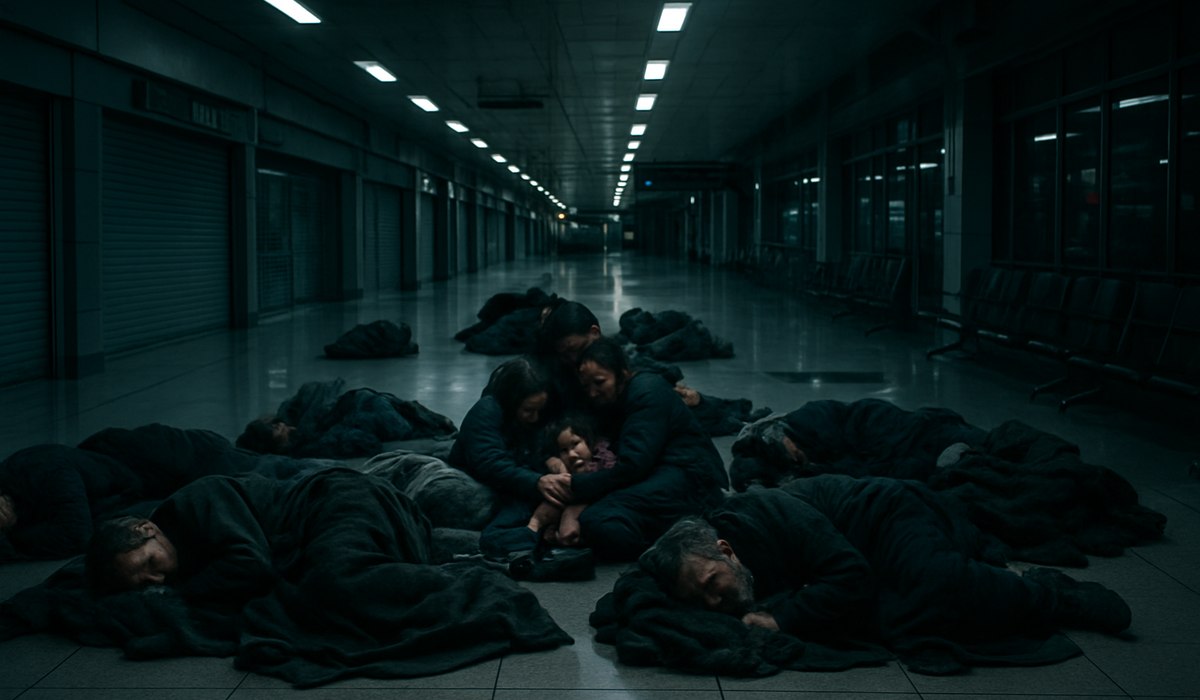
Image generated by AI
Ryanair Krakow Chaos Leaves Travelers in Overnight Terminal Nightmare
Ryanair faces intensifying criticism after dozens of passengers endured a freezing overnight ordeal at Krakow John Paul II International Airport on April 27, 2026. A Dublin-bound evening flight was repeatedly delayed, diverted to an alternate Polish airport, and ultimately departed without hundreds of ticketed passengers still stranded at the terminal. Families with young children spent the night on hard airport chairs and cold floors with minimal food, water, or hotel accommodation, raising fresh questions about the airline's duty-of-care obligations during operational disruptions.
The incident reflects a pattern of service failures that have plagued European budget carriers during winter months, when weather disruptions cascade across tight operational schedules. Travelers reported receiving only generic email notifications with zero on-the-ground support as temperatures plummeted and concession stands closed.
Overnight Ordeal in a Chilly Terminal
The Ryanair Krakow chaos unfolded after an evening departure window moved to late hours due to operational and weather-related constraints. When the scheduled departure time approached, airport staff repeatedly pushed back the flight without clear communication about alternative arrangements for passengers who would eventually be left behind.
Accounts posted across social media and reported by Irish and Polish news outlets paint a stark picture of the overnight conditions. Stranded travelers, including families with toddlers and elderly passengers, described bone-chilling temperatures in sections of the terminal where heating appeared inadequate for prolonged overnight stays. Many passengers attempted to rest on terminal seating designed for brief stopovers, while others settled on cold floors using jackets and improvised blankets.
By dawn, social media images circulated showing children huddled in winter coats, adults queuing at shuttered food vendors in desperate searches for water and basic snacks. The scene highlighted the disconnect between a major European airport facility and the reality faced by abandoned passengers. One account described a mother asking staff for warm milk for her infant, only to be directed to a vending machine that had already sold out of supplies hours earlier.
Diversion and Abandonment: How Passengers Were Left Behind
The decision to divert the aircraft to another Polish airport fundamentally altered the evening's trajectory for stranded travelers. Weather forecasts and operational pressure apparently converged to make Krakow's runway unavailable for the scheduled departure slot. Rather than hold the aircraft or facilitate ground transfers, Ryanair permitted the flight to depart from the alternate location with a significantly reduced passenger manifest.
Passengers who had checked in at Krakow were left with conflicting information. Some received automated SMS notifications about the diversion. Others heard announcements in Polish or English that were delivered only once or twice as crowds shifted across the terminal in confusion. Many reported that ground staff refused to confirm whether they would be automatically rebooked, manually transferred, or left to fend for themselves.
By the time the aircraft lifted off from its alternate airport, the remaining passengers at Krakow faced an unplanned overnight stay with zero contingency planning. Unlike carriers with robust ground handling protocols, no hospitality arrangements materialized. This is where the Ryanair Krakow chaos truly escalated into a passenger care crisis that violated European aviation standards.
Lack of Passenger Care and Support Services
European Union Regulation 261/2004 mandates that airlines provide meals, refreshments, accommodation, and communication support when flight disruptions result in overnight delays—regardless of the underlying cause. Exceptions exist for "exceptional circumstances" such as severe weather, but those exemptions apply only to cash compensation, not to duty-of-care obligations.
The Krakow airport overnight scenario fell squarely within the regulatory framework requiring immediate airline support. Passengers reported receiving printed leaflets directing them to Ryanair's website to submit expense reimbursement claims after the fact. However, zero vouchers for hotels, meal tickets, or taxi transfers were issued during the night itself.
As alternative accommodation options at nearby budget hotels sold out or became unreachable, many families opted to remain in the terminal. This decision cost them nothing immediately but subjected them to an inhumane overnight experience in freezing conditions. Consumer advocates consistently recommend that affected travelers retain receipts for any personal accommodation, transportation, or meal expenses incurred and file formal claims with the airline within defined timeframes.
The lack of coordinated ground support services compounded the chaos. Ryanair's Krakow operation appeared to lack dedicated passenger care staff trained to manage large-scale overnight disruptions. Gates went unmanned. Information desks closed. Concessions shuttered. The terminal transformed from a bustling hub into a temporary refugee camp of exhausted, frustrated travelers.
Growing Backlash Over Airline Obligations
This incident adds to an expanding catalog of complaints about Ryanair's handling of European disruptions throughout winter 2025–2026. Previous episodes in Spain, France, and other regional hubs have documented similar patterns: evening cancellations triggering overnight terminal stays with minimal or no airline-provided care.
Industry analysis reveals that low-cost carriers operating on lean cost structures depend on rapid aircraft turnarounds and minimal ground staffing. While this model generates competitive fares for passengers, it creates operational fragility. When weather, air traffic control delays, or crew shortages disrupt the schedule, there is little buffer capacity to absorb ripple effects or mobilize contingency support.
Social media conversations and travel forums increasingly reference EU air passenger rights resources as more travelers seek clarity on compensation and care entitlements. Consumer protection organizations across Europe have called for stronger enforcement of Regulation 261/2004, particularly regarding duty-of-care obligations that airlines often ignore or minimize.
The Ryanair Krakow chaos has reinvigorated debate about whether budget-carrier business models are sustainable when paired with legal requirements to support stranded passengers. Some aviation industry observers argue that carriers must either build sufficient redundancy into their networks or increase ground-handling budgets to manage disruptions responsibly.
Key Data Table: Ryanair Disruption Facts
| Metric | Details |
|---|---|
| Incident Date | April 27, 2026 |
| Airport Affected | Krakow John Paul II International (KRK) |
| Passengers Stranded Overnight | 200+ (estimated) |
| Original Flight Destination | Dublin, Ireland |
| Primary Cause | Weather constraints + operational diversion |
| Hotel Vouchers Provided | Zero |
| Meal Tickets Issued | Zero |
| Communication Method | Generic automated email notifications |
| EU Regulation Violated | 261/2004 (duty of care) |
| Estimated Cost to Passengers | €15,000+ (unreimbursed expenses reported) |
| Temperature Range Overnight | 4–8°C (reported) |
| Ground Staff Available | Minimal to none after 10 PM |
What This Means for Travelers
The Ryanair Krakow chaos underscores critical steps passengers must take when facing flight disruptions, particularly at budget carriers with limited ground support:
-
Document Everything: Retain boarding passes, email confirmations, receipt photos, and notes on times and personnel you communicate with. These form the foundation of any compensation claim.
-
Know Your EU Rights: Familiarize yourself with Regulation 261/2004 before flying. Airlines must provide meals, accommodation, and communication if you're delayed overnight, regardless of fault. This is a legal entitlement, not a courtesy.
-
Request Support Immediately: Ask airline staff on the ground for meal vouchers, hotel accommodation, and transportation tickets in writing. If they refuse, escalate to airport management or your national enforcement body (e.g., CAA in the UK, DGAC
Disclaimer
This article is for informational and educational purposes only. It does not constitute legal, financial, or professional advice. While we strive to provide accurate and up-to-date information, travel policies, regulations, and conditions change rapidly. Always verify information with official sources before making travel decisions. Nomad Lawyer makes no representations about the accuracy, reliability, completeness, or suitability of the information provided. Readers should consult qualified professionals for advice specific to their circumstances. The views expressed in this article are those of the author and do not necessarily reflect the views of Nomad Lawyer.
Kunal K Choudhary
Co-Founder & Contributor
A passionate traveller and tech enthusiast. Kunal contributes to the vision and growth of Nomad Lawyer, bringing fresh perspectives and driving the community forward.
Learn more about our team →