Which Airlines Are Redefining Economy Class Travel in 2026? A Global Analysis of Seat Innovation and Passenger Comfort

Image generated by AI
As carriers compete fiercely for budget-conscious travelers, premium economy features are trickling down to standard cabins—reshaping expectations across the aviation industry
The Economy Class Revolution: Where Most Travelers Experience the Difference
The vast majority of global air travelers never set foot in a first or business class cabin. Instead, economy seats remain the battleground where airlines compete for customer loyalty and market share. In 2026, carriers worldwide are intensifying their focus on economy class enhancements, recognizing that incremental improvements to standard seating can significantly influence booking decisions and passenger satisfaction metrics.
While headline-grabbing innovations dominate premium cabin design, the real competitive advantage increasingly lies in how airlines differentiate their economy offerings—from ergonomic seat construction and physical comfort to in-flight service quality and passenger experience details.
Key Differentiators: Beyond Basic Seating
Modern economy seats are becoming far more sophisticated than the standardized offerings of previous decades. Leading carriers are now competing on multiple fronts:
Seat Architecture and Comfort: Legroom allocation, cushion density, and backrest angles vary considerably across airlines. Some carriers have implemented wider seats with improved lumbar support, while others prioritize extra pitch to accommodate longer journeys.
Technology Integration: Seatback entertainment systems have become a standard expectation rather than a luxury. However, quality disparities persist—from screen resolution and responsiveness to content library breadth and user interface design.
Design and Aesthetics: Visual appeal matters to passengers. Airlines are investing in modern headrests, improved armrest design, and overall cabin aesthetics that elevate the psychological perception of value.
Service Excellence as a Differentiator: Perhaps most importantly, onboard service quality often distinguishes premium carriers from budget operators. Crew attentiveness, meal presentation, beverage service frequency, and passenger assistance create lasting impressions that transcend physical seat specifications.
Industry Implications: The Service-Seat Nexus
Aviation industry analysts note that the most respected global carriers recognize a fundamental truth: a superior seat means little without complementary service standards. Airlines investing in both dimensions simultaneously report higher customer satisfaction scores and improved loyalty metrics.
The competitive landscape suggests that as budget carriers upgrade physical infrastructure, full-service airlines must leverage service excellence as their primary differentiation strategy. This shift reflects broader industry evolution toward passenger-centric design and recognition that economy class represents the largest revenue opportunity in modern aviation.
The 2026 outlook indicates continued acceleration in economy class innovation, particularly as airlines balance cost management with the growing sophistication of consumer expectations worldwide.
Frequently Asked Questions
What makes economy seats different between airlines? Airlines differentiate through seat pitch (legroom), width, cushion quality, headrest design, entertainment systems, and most importantly, onboard service standards including meal quality and crew attentiveness.
How do airlines justify premium pricing for economy seats? Carriers emphasize seat comfort features, advanced entertainment technology, in-flight service quality, and overall cabin experience rather than seat design alone.
Which airlines are known for superior economy experiences? Full-service international carriers typically invest more heavily in economy comfort and service compared to budget airlines, though specific rankings vary by route and aircraft type.
Are seatback screens standard in economy class now? Entertainment systems have become increasingly standard on international and longer routes, though availability varies on regional flights and some budget carriers.
How does economy class impact overall airline profitability? Economy cabins generate the majority of airline revenue globally, making seat and service improvements critical to competitive positioning and customer retention strategies.
Related Travel Guides
This article is for informational purposes. Flight routes, passenger regulations, visa rules, and transit advisories are subject to change by airlines and aviation authorities. Readers are advised to verify schedules and travel documentation with relevant carriers and border agencies before departure.
Related Stories
easyJet Launches Direct Liverpool to Reykjavik Flights: Inside the North West's New Winter Gateway to Iceland
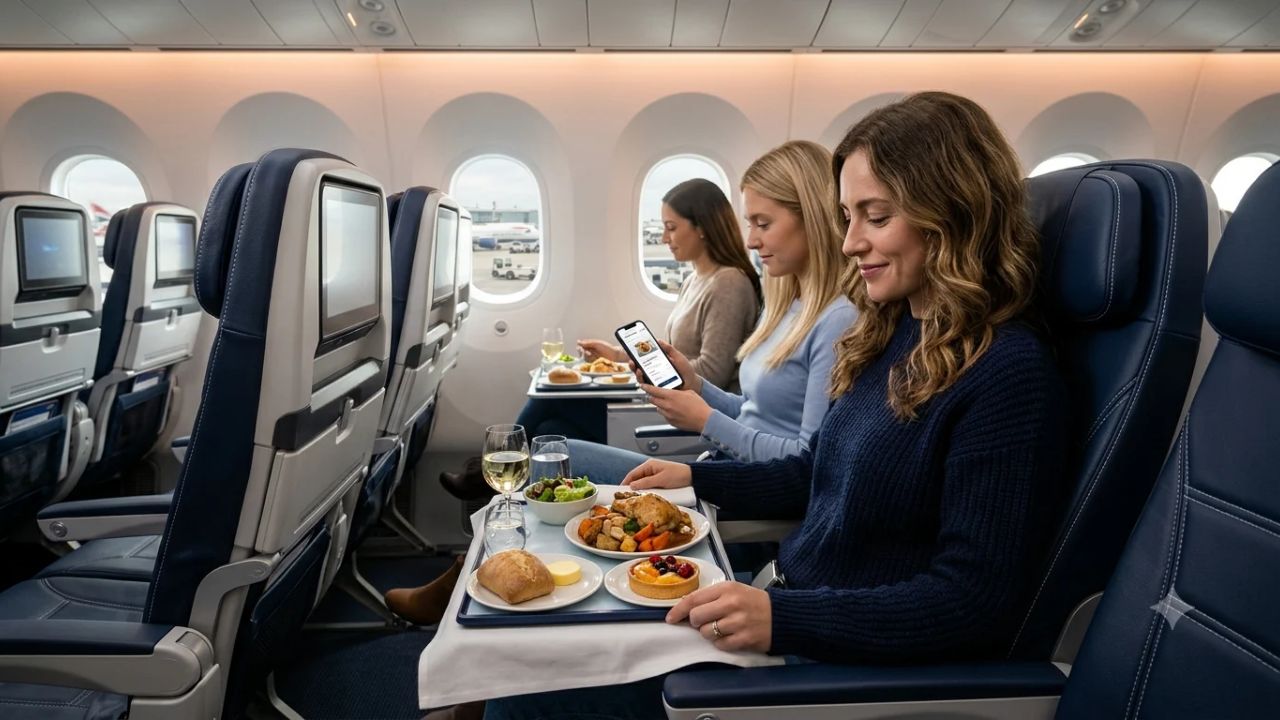
British Airways Revives Long-Haul Meal Pre-Orders on Las Vegas Flights: Inside the World Traveller Plus Dining Trial