
Dubai and Incheon Lead Busiest International Airport Race in 2026
Dubai and Incheon compete for the busiest international airport title in 2026. Discover traffic stats, regional hub details, and traveler insider tips.

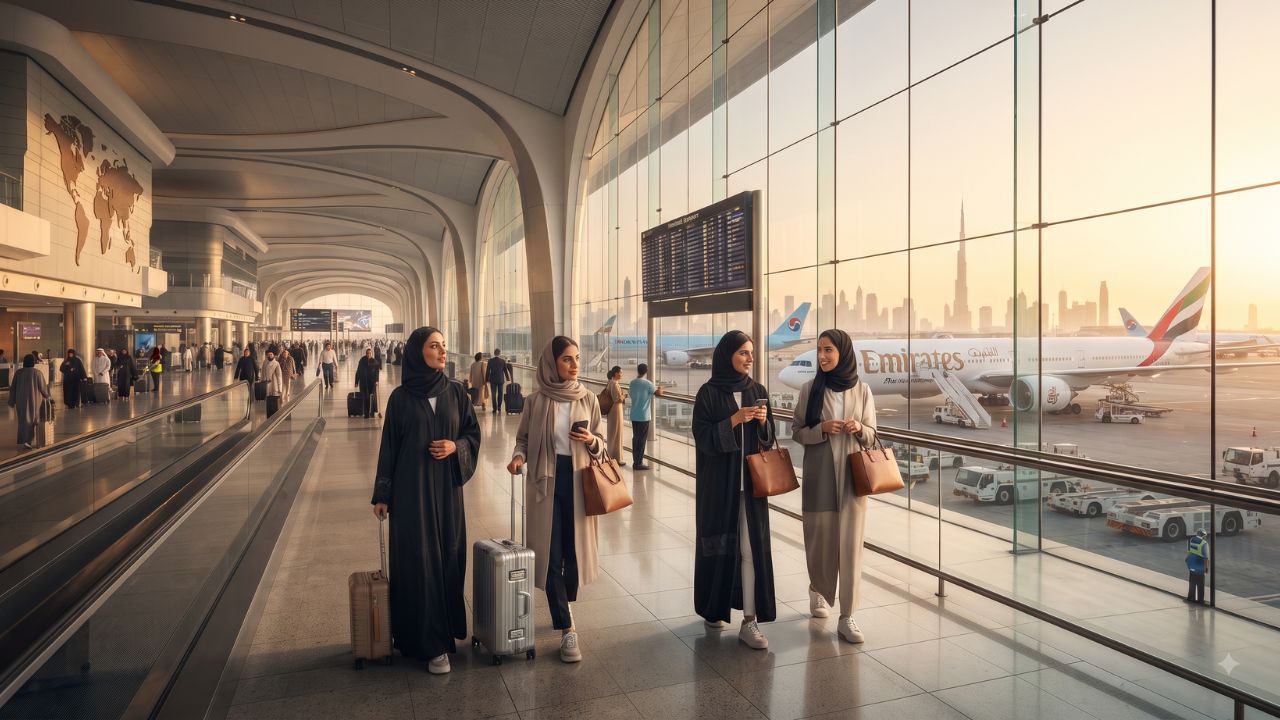
Image generated by AI
Handling 95.2 million passengers in 2025, Dubai International Airport faces intense competition in 2026 as Incheon surges to 38.39 million passengers in the first half of the year.
The Transnational Battle of the Megahubs: Dubai vs. Incheon
Based on the latest completed annual rankings, Dubai International Airport (DXB) remains the leading global gateway for international travel, having handled around 95.2 million passengers in 2025. Supported by its geographical position connecting Europe, Asia, and Africa, and powered by the global network of Emirates, DXB continues to serve as a pivotal transit node.
However, the international aviation hierarchy is shifting rapidly in 2026. During the first half of 2026, South Korea's Incheon International Airport handled around 38.39 million international passengers, briefly moving ahead of DXB in international traffic as changes in Middle East transit routes redirected passenger flows. Established in 2001, Incheon's growth is driven by massive inbound demand from China and Japan, as well as South Korea's expanding cultural influence.
Global International Passenger Traffic Comparison
| Airport | Passenger Count (Period) | Strategic Advantage |
|---|---|---|
| Dubai International (DXB) | Around 95.2 million (FY 2025) | Connecting link between Europe, Asia, and Africa |
| Singapore Changi (SIN) | Around 69 million (FY 2025) | Business hub linking Southeast Asia with global markets |
| Incheon International (ICN) | Around 38.39 million (First Half 2026) | Gateway connecting East Asia with North America |
Other global players are also maintaining strong growth. Singapore Changi Airport handled around 69 million passengers in 2025, while London Heathrow remains Europe's primary long-haul gateway. Additionally, European hubs like Amsterdam Schiphol, Paris Charles de Gaulle, Frankfurt Airport, and the rapidly growing Istanbul Airport continue to compete for transatlantic and Eurasian passenger traffic.
Astrotourism and Sustainable Transit Through Global Airports
For the traveler, the real impact of these mega-airport expansions is the opportunity to choose low-carbon transit alternatives. High-capacity airports are increasingly investing in green infrastructure, such as Singapore Changi's indoor gardens and energy-efficient water recycling systems, which directly support urban sustainability goals.
The Incheon International Airport Corporation (IIAC) and the Dubai Department of Economy and Tourism (DET) emphasize that airport expansions must go hand-in-hand with environmental stewardship. By utilizing waste-reduction technologies and supporting carbon-offsetting flight options, these hubs encourage travelers to make more eco-conscious travel choices while supporting the regional economies that depend on international visitor spend.
Insider Tips for Navigating the World's Leading Aviation Hubs
To make the most of your transit through these international gateways, keep these practical visitor tips in mind:
- Identify Off-Peak Transit Windows: When booking connections through Dubai or Incheon, choose flights that arrive during the shoulder hours of 3:00 AM to 6:00 AM or 1:00 PM to 4:00 PM. This allows you to avoid the peak transit waves when security lines and lounges are highly crowded.
- Observe Airport and Transit Etiquettes: At Incheon, respect local cultural norms by keeping your voice low in passenger rest zones, and use the automated self-check-in kiosks to speed up your transit. At Dubai, dress modestly in public areas of the terminals, keeping shoulders and knees covered.
- Savor Local Dining Specialties: Take advantage of long layovers to sample regional cuisines inside the terminals. Try authentic bibimbap (Korean mixed rice bowl) at Incheon's traditional food courts, or enjoy fresh Middle Eastern mezze and dates at Dubai's local cafe concepts instead of standard international fast-food chains.
- Explore Under-the-Radar Airport Highlights: Don't just wait at your gate. At Incheon, visit the traditional Korean Cultural Street inside Terminal 1 to see royal procession reenactments. At Singapore Changi, take the free sky train to explore the Jewel canopy park and view the world's tallest indoor waterfall.
Long-Term Outlook for Global Transit Infrastructure
In the long run, the intense competition between Dubai, Incheon, and Europe's major hubs will accelerate the modernization of global aviation infrastructure. As passenger numbers rise towards new limits, airports must integrate advanced biometric screening and automated baggage systems to maintain efficiency.
These technological investments will determine which hubs remain competitive in the decades to come. By transforming transit terminals from simple transport nodes into complete cultural and commercial environments, global airports will continue to redefine the international travel experience for millions of global passengers.
Related Travel Guides
Disclaimer
This article is for informational and educational purposes only. It does not constitute legal, financial, or professional advice. While we strive to provide accurate and up-to-date information, travel policies, regulations, and conditions change rapidly. Always verify information with official sources before making travel decisions. Nomad Lawyer makes no representations about the accuracy, reliability, completeness, or suitability of the information provided. Readers should consult qualified professionals for advice specific to their circumstances. The views expressed in this article are those of the author and do not necessarily reflect the views of Nomad Lawyer.
Raushan Kumar
Founder & Lead Developer
Full-stack developer with 11+ years of experience and a passionate traveller. Raushan built Nomad Lawyer from the ground up with a vision to create the best travel and law experience on the web.
Learn more about our team →