
Thailand Ecotourism Is Now Third in ASEAN in a Media Ranking as Wild Beauty Unlocks New Trips for Travellers
Thailand Ecotourism Is Now Third in ASEAN in a Media Ranking as Wild Beauty Unlocks New Trips for Travellers

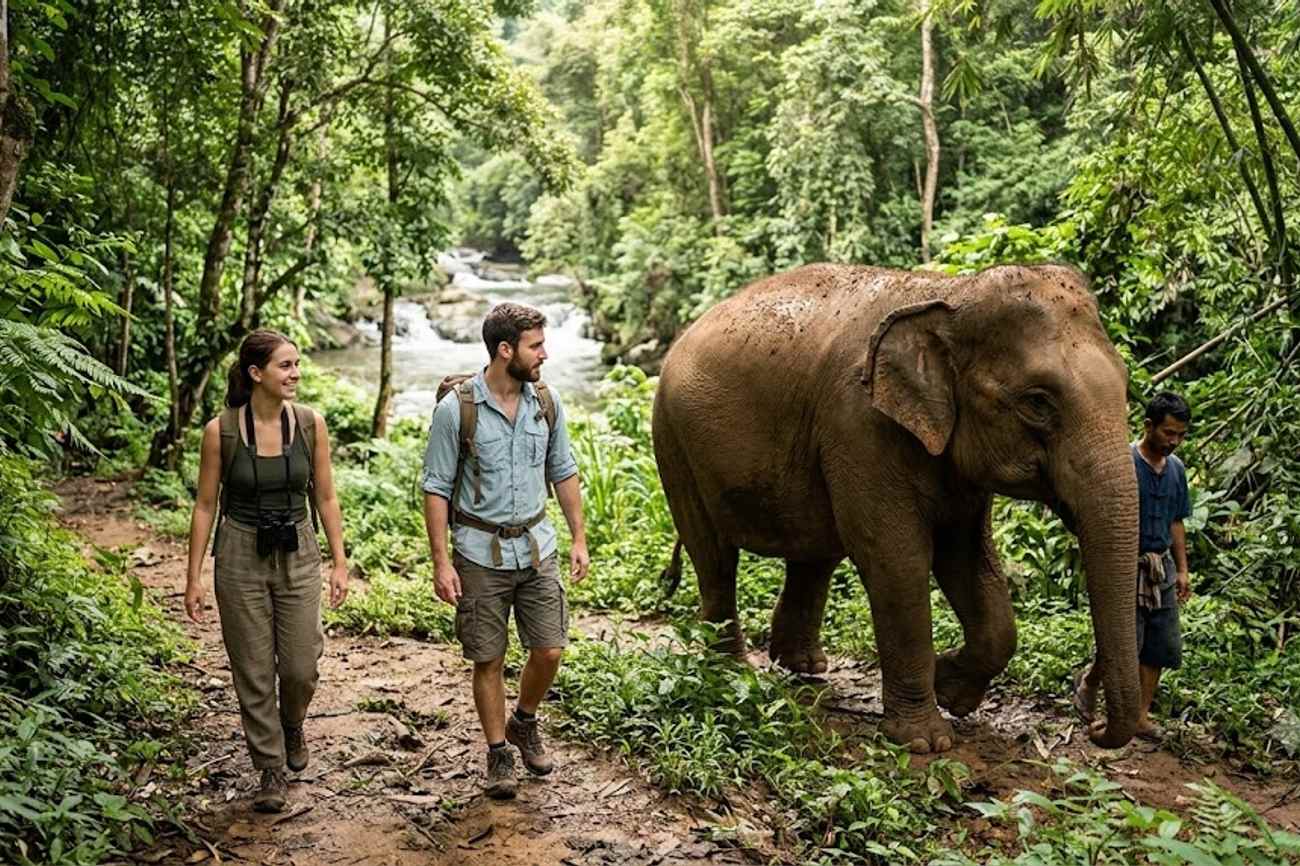
Image generated by AI
[Bangkok, September 2026] — Thailand has been ranked as the third-best ecotourism destination within the ASEAN region and 33rd globally according to a newly released international report. The assessment highlights the country's extensive network of islands, forests, and marine protected areas as primary drivers for its high placement.
The report, published this month, positions Cambodia as the top ecotourism destination in Southeast Asia (17th globally) and Laos as the 22nd best in the world. While the findings provide a significant publicity boost for Thailand's nature-based travel sector, the ranking is a product of commercial media analysis rather than an official designation from the Association of Southeast Asian Nations (ASEAN), the United Nations, or the Thai government.
The Source of the Ranking
The current surge in international attention stems from a commercial report rather than a verified government league table. There is no official certification from UN Tourism or regional bodies that validates this specific ranking. Consequently, the "third place" designation does not serve as a formal audit of Thailand's hotels, tour operators, or wildlife sanctuaries, nor does it certify that the country's sustainability metrics outperform those of its neighbors under a standardized regulatory framework.
Despite the unofficial nature of the ranking, Thailand possesses a verified foundation of environmental assets. The country maintains nine World Heritage properties recognized by UNESCO, three of which are natural sites: the Thungyai–Huai Kha Khaeng Wildlife Sanctuaries, the Kaeng Krachan Forest Complex, and the Dong Phayayen–Khao Yai Forest Complex. These sites provide the actual legal and conservation framework that supports the country's ecotourism claims.
Impacted Regions and Markets
The report's findings are expected to shift traveler interest away from traditional hubs toward emerging natural landscapes. The following areas and sectors are most affected:
- Emerging Destinations: Increased visibility for forest complexes, rural community-based tourism sites, and smaller, less-visited islands.
- Prototype Sustainability Zones:
- Krabi: Established as a sustainability model in 2025 focusing on community wellbeing and stewardship.
- Chiang Mai: Designated as the northern prototype in 2026, integrating wellness, local crafts, and international sustainability standards.
- Ko Lanta: Currently under development as a destination model for responsible travel.
- Local Economies: Potential growth for community-led accommodation, local guides, and regional food producers in provinces outside the primary tourism corridors.
- Regulatory Bodies: National park authorities facing increased pressure to manage visitor limits and seasonal closures to prevent habitat degradation.
Practical Traveler Advisory and Strategic Insights
For passengers and tourists, this news does not change the physical experience of travel but does alter the administrative and ethical landscape of booking a trip to Thailand.
Visa and Entry Changes Crucially, the ranking coincides with new entry policies that took effect on September 15, 2026. These policies introduce nationality-based visa exemptions and permitted stay periods. Travelers must verify their specific eligibility via official government channels before booking, as entry requirements are now more strictly tied to citizenship.
Booking Caution Because the "third-best" ranking is commercial and not regulatory, travelers should not assume that a tour operator claiming to be "eco-friendly" is officially certified. There is a distinction between a country's general reputation and the actual practices of a specific hotel or guide. Travelers are advised to independently vet the sustainability and safety records of individual operators.
Access Restrictions As Thailand pushes for a 60:40 distribution of tourists between major hubs and emerging destinations by 2027, travelers may encounter more frequent "seasonal closures" of natural sites. These are mandatory recovery periods for ecosystems and may result in sudden unavailability of certain islands or parks.
The Roadmap to 2030
Thailand's long-term strategy is aligned with the ASEAN Tourism Sectoral Plan 2026–2030. This regional framework prioritizes resilient tourism, digital diversification, and the implementation of recognized environmental standards.
The Thai government is currently targeting a 10% increase in international arrivals across 19 priority areas to reduce the burden on overcrowded spots like Phuket and Pattaya. This dispersal strategy is intended to spread tourism income more equitably across the provinces.
Progress on the preceding regional plan indicates a steady but incomplete transition to sustainable models; as of April 2025, 64% of planned ASEAN-wide activities were completed, with 25% in progress. The current focus remains on workforce development and the creation of measurable sustainability standards that move beyond media rankings and into enforceable law.
FAQ: Thailand Ecotourism 2026
Is the "third best" ranking an official government certification? No. The ranking is from a commercial media report. It is not an official classification from the Thai government, the UN, or ASEAN. It should be viewed as international publicity rather than a regulatory certification of sustainability.
Do I need a new visa to visit Thailand's ecotourism sites? New nationality-based entry and visa exemption policies took effect on September 15, 2026. You must check your specific nationality's eligibility and permitted length of stay via the Royal Gazette or official tourism authority portals.
Which areas in Thailand are officially designated as sustainable prototypes? Krabi (established 2025) and Chiang Mai (established 2026) are the primary official models. Ko Lanta is also currently being developed as a destination model for environmental stewardship.
Will these rankings lead to more travel restrictions in national parks? Potentially. To meet 2027 sustainability targets and protect biodiversity, Thailand may implement stricter visitor limits and seasonal closures in protected forest and marine areas to allow for ecosystem recovery.
Travelers are urged to prioritize verified sustainability certifications over commercial rankings when selecting operators.
Tags: Thailand-Ecotourism-2026, ASEAN-Tourism-Plan, BKK-CNX-KBV, UNESCO-World-Heritage-Thailand, Thailand-Visa-Policy-2026
Related Travel Guides
Disclaimer
This article is for informational and educational purposes only. It does not constitute legal, financial, or professional advice. While we strive to provide accurate and up-to-date information, travel policies, regulations, and conditions change rapidly. Always verify information with official sources before making travel decisions. Nomad Lawyer makes no representations about the accuracy, reliability, completeness, or suitability of the information provided. Readers should consult qualified professionals for advice specific to their circumstances. The views expressed in this article are those of the author and do not necessarily reflect the views of Nomad Lawyer.
Raushan Kumar
Founder & Lead Developer
Full-stack developer with 11+ years of experience and a passionate traveller. Raushan built Nomad Lawyer from the ground up with a vision to create the best travel and law experience on the web.
Learn more about our team →