
Thailand Accelerates Green Tourism Growth in 2026 Across Chiang Mai, Krabi and Phuket
Thailand is pivoting toward low-carbon travel and community-led conservation through the Thailand Green Tourism Plan 2030, transforming major hubs like Bangkok and Phuket into sustainable destinations.

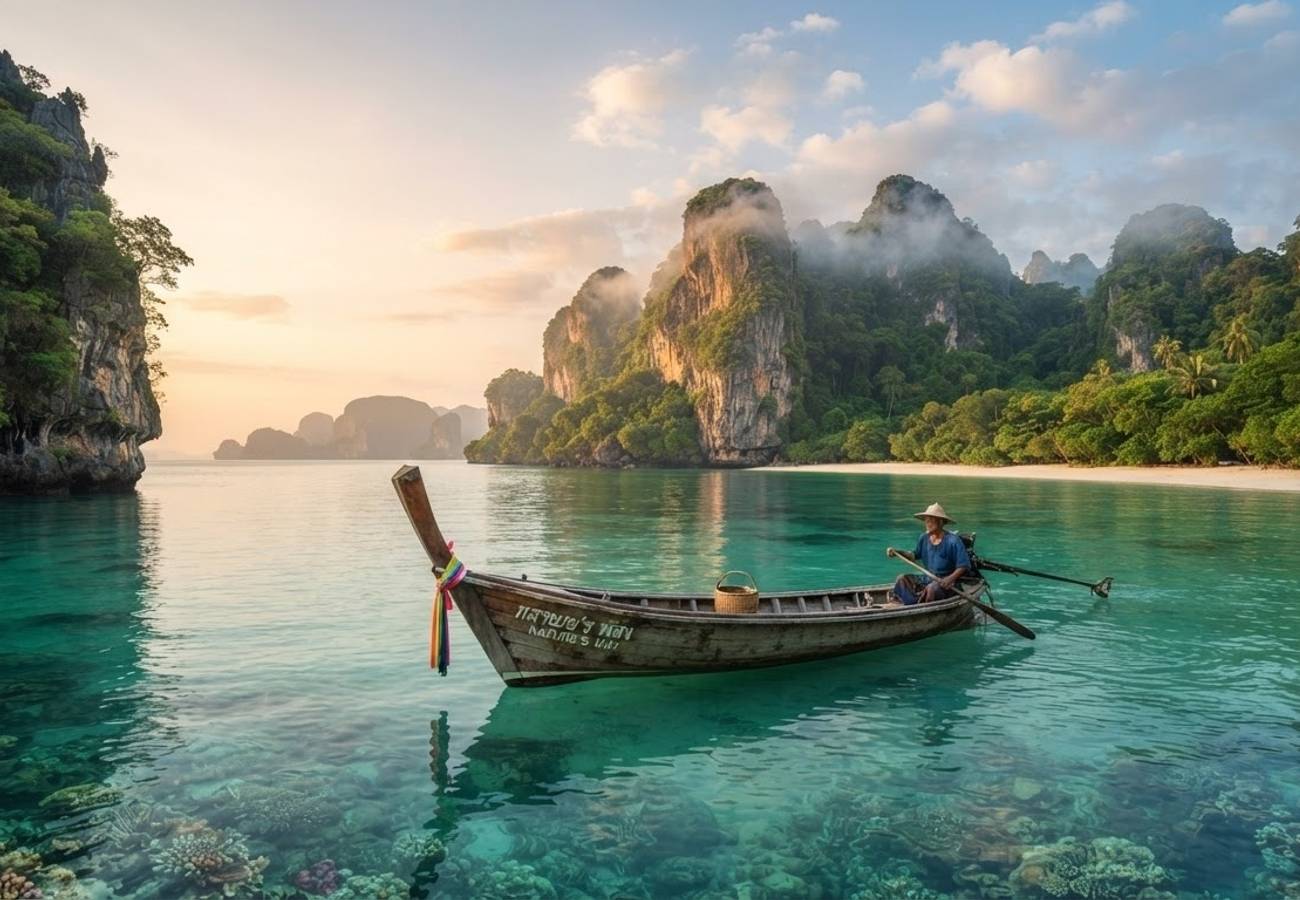
Image generated by AI
Thailand is implementing the national Thailand Green Tourism Plan 2030 to decouple economic growth from environmental degradation. This shift is currently transforming 12 major cities into low-carbon hubs, prioritizing coral reef conservation and community-led heritage preservation over high-volume visitor counts.
The Shift Toward Low-Carbon Travel
Thailand is moving away from the traditional high-volume tourism model that characterized its previous decades of growth. In 2026, the focus has shifted toward "quality over quantity," driven by the Thailand Green Tourism Plan 2030. This national framework is designed to balance economic gains with environmental protection and cultural preservation.
The movement is most visible in the transition of major hubs. Bangkok is rebranding as a sustainable urban destination, while Southern islands like Phuket and Koh Samui are implementing aggressive waste management and marine protection protocols to combat the pressures of rapid growth. Simultaneously, Northern provinces such as Chiang Mai and Chiang Rai are leveraging "smart city" technology to integrate organic farming and Lanna cultural conservation into the visitor experience.
Regional Sustainability Breakdown 2026
The following table outlines the specific strategic pivots across Thailand's primary tourism regions:
| City / Destination | Region | 2026 Green Development | Key Sustainability Action | Environmental Focus |
|---|---|---|---|---|
| Bangkok | Central | Sustainable urban tourism | Eco-mobility & river-based tourism | Urban emission reduction |
| Chiang Mai | Northern | Community-based wellness | Smart city & organic farming | Climate resilience & forest protection |
| Chiang Rai | Northern | Sustainable nature/culture | Hill-tribe community projects | Biodiversity preservation |
| Krabi | Southern | Marine conservation | Sustainable island tourism | Coral reef & habitat protection |
| Phuket | Southern | Green island transition | Waste management & plastic reduction | Ecosystem protection |
| Koh Samui | Gulf | Sustainable island models | Renewable energy & eco-resorts | Coastal resource management |
| Pattaya | Eastern | Sustainable coastal tourism | Smart tourism & beach cleaning | Marine protection |
| Hua Hin | Prachuap Khiri Khan | Wellness-focused slow travel | Local food & sustainable resorts | Coastal conservation |
| Nan | Northern | Sustainable cultural hub | Heritage & local craft experiences | Rural sustainability |
| Sukhothai | Lower Northern | Heritage management | Eco-friendly historical park routes | UNESCO site conservation |
| Kanchanaburi | Western | Nature-based tourism | Forest conservation & river tourism | Wildlife protection |
| Lampang | Northern | Slow tourism expansion | Lanna culture & local transport | Tourism pressure reduction |
Cultural and Environmental Value
For the visitor, the real impact of this shift is a move from passive observation to active participation. In Bangkok, this is exemplified by the promotion of Bang Krachao—the city's "green lung." Rather than navigating congested shopping districts, travelers are encouraged to use cycling routes and visit organic farms, directly supporting small-scale local entrepreneurs.
In the South, the focus has shifted to the survival of the marine ecosystem. Krabi and Phuket are no longer just selling beaches; they are integrating coral reef conservation into the itinerary. By restricting certain coastal activities and improving waste control, these destinations are ensuring that the natural assets attracting visitors today will still exist in 2030.
The Northern regions are utilizing "Slow Tourism" to prevent the erasure of local identity. In Nan and Lampang, the emphasis is on low-impact visits that protect Lanna culture. This ensures that tourism provides a financial incentive for locals to maintain traditional crafts and architecture rather than replacing them with generic commercial infrastructure.
Visitor Insider Tips
To navigate Thailand's new green landscape, travelers should adopt these local practices:
- The "Green Lung" Window: When visiting Bang Krachao in Bangkok, arrive before 9:00 AM to avoid the midday heat and the peak crowds of weekend domestic tourists. Renting a bicycle is the only sustainable way to navigate the interior.
- Northern Etiquette: In community-based tourism sites in Nan and Chiang Rai, dress modestly and ask permission before photographing local artisans. These are living communities, not curated museums.
- Marine Responsibility: In Krabi and Phuket, avoid all "sunscreen" products containing oxybenzone or octinoxate, as these are devastating to the coral reefs the region is working to protect. Use mineral-based, reef-safe alternatives.
- Slow Travel Route: Instead of the typical Bangkok-Phuket flight, consider the rail network to Sukhothai or Lampang to experience the "slow tourism" movement firsthand.
Tourism Outlook
The long-term trajectory for Thailand is a transition toward a regenerative economy. By aligning with the Thailand Green Tourism Plan 2030, the country is positioning itself as a leader in the Asia-Pacific region for responsible travel. The success of this model depends on the continued certification of hotels and tour operators under national sustainability standards. If these targets are met, Thailand will likely see an increase in "long-stay" eco-travelers and wellness seekers, reducing the volatility associated with seasonal mass tourism.
The future of Thai travel is no longer about how many people visit, but how well the visit serves the land.
Related Travel Guides
Disclaimer
This article is for informational and educational purposes only. It does not constitute legal, financial, or professional advice. While we strive to provide accurate and up-to-date information, travel policies, regulations, and conditions change rapidly. Always verify information with official sources before making travel decisions. Nomad Lawyer makes no representations about the accuracy, reliability, completeness, or suitability of the information provided. Readers should consult qualified professionals for advice specific to their circumstances. The views expressed in this article are those of the author and do not necessarily reflect the views of Nomad Lawyer.
Raushan Kumar
Founder & Lead Developer
Full-stack developer with 11+ years of experience and a passionate traveller. Raushan built Nomad Lawyer from the ground up with a vision to create the best travel and law experience on the web.
Learn more about our team →