Texas Steps Up With Florida And More US Places In Becoming Tourist Magnets Through AI Innovations And Smart Hospitality Systems

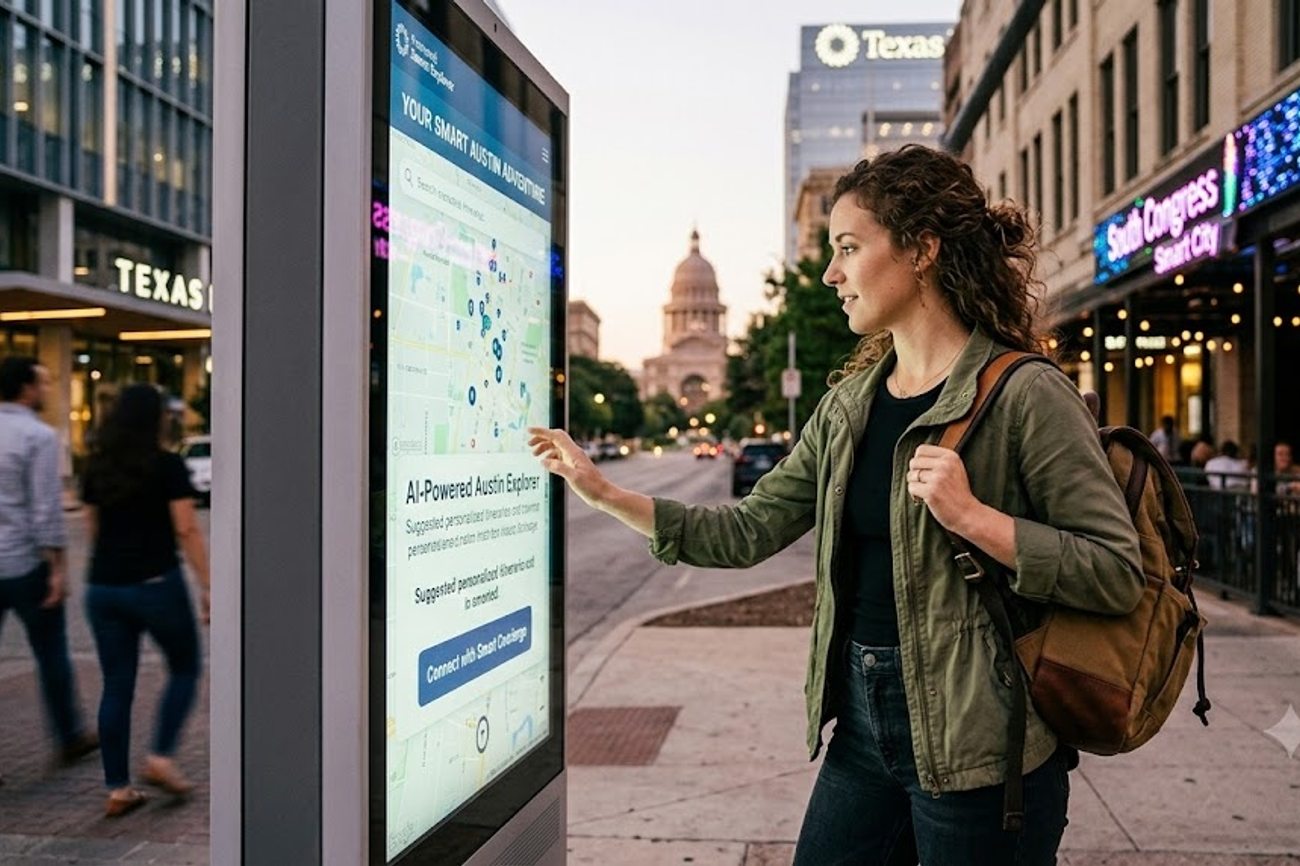
Image generated by AI
The adoption of AI-driven visitor assistance in US tourism hubs has transitioned from experimental pilots to core infrastructure, with Texas and California now deploying conversational AI to manage visitor flows ahead of 2026. While traditional tourism growth was measured by raw arrival numbers, the 2026 metric has shifted toward "digital engagement depth," where the integration of smart hospitality systems is designed to redistribute tourist spending from primary landmarks to secondary local businesses.
The Digital Tourism Pivot in Numbers
The shift toward "Connected Tourism" is not a uniform rollout but a strategic deployment across high-traffic corridors. In Texas, the implementation of AI-powered visitor assistance in cities like Frisco represents a move toward hyper-personalized itinerary generation. These systems are specifically engineered to handle the surge in international arrivals expected for major 2026 events, moving beyond static PDFs to real-time, conversational digital services.
In Florida, the digital transformation is concentrated in the "logistics layer" of the visitor experience. In Orlando, the integration of virtual queues and digital ticketing is a response to the need for higher throughput in theme parks. This is a data-driven approach to reducing "friction time"—the period a traveler spends in queues or navigating—thereby increasing the window for discretionary spending at dining and retail outlets.
California’s strategy, particularly in San Diego, utilizes AI chatbots to pivot the visitor's gaze. By analyzing user interests in real-time, these platforms push recommendations for lesser-known neighborhoods and seasonal events. This represents a shift in market share from "iconic-only" tourism to "distributed" tourism, where data is used to prevent over-tourism at primary sites while boosting the economy of smaller communities.
Comparative Market Analysis: Smart Tourism Deployment
The deployment of smart hospitality varies significantly by region, reflecting the primary goals of each state's tourism board. Nevada focuses on the "guest lifecycle" within the resort, while Hawaii focuses on "visitor education" to ensure sustainability.
| Region | Primary Tech Driver | Key Implementation | Strategic Goal | 2026 Focus |
|---|---|---|---|---|
| Texas | Conversational AI | Frisco AI Visitor Assistant | Event Readiness | International Surge Mgmt |
| Florida | Mobile Ecosystems | Virtual Queues/Digital Tickets | Logistics Optimization | Throughput Efficiency |
| California | AI Chatbots | San Diego Personalized Itineraries | Geographic Distribution | Secondary Market Growth |
| Nevada | Smart Hospitality | Mobile Check-in/Digital Concierge | Frictionless Stay | Guest Lifetime Value |
| Hawaii | Digital Communication | Environmental/Cultural Guidelines | Sustainable Tourism | Resource Protection |
| NYC | Digital Storytelling | Neighborhood Discovery Platforms | Spending Distribution | Diverse Experience Mix |
According to data trends tracked by the World Travel & Tourism Council (WTTC), the integration of these technologies correlates with an increase in the "average length of stay" as travelers feel more confident exploring non-traditional areas of a destination.
Practical Traveler Advisory and Strategic Insights
For the individual traveler, the data indicates a fundamental change in how trips should be planned. The era of the "static itinerary" is ending. Because destinations like San Diego and Frisco are using AI to push real-time recommendations, the most value is now found in "dynamic booking."
Actionable Advice for 2026 Travel:
- Shift to "On-the-Ground" Planning: In Texas and California, avoid locking in every activity months in advance. Use the local AI assistants upon arrival to find real-time events and "hidden" attractions that are being promoted to balance visitor flows.
- Leverage Digital Queues in Florida: For Orlando-bound travelers, the data shows that those utilizing mobile reservation systems and virtual queues save an average of several hours per day. Ensure all apps are downloaded and accounts linked 14 days prior to arrival.
- Prioritize Mobile-First Hotels in Nevada: When booking in Las Vegas, filter for properties offering "Digital Concierge" and "Mobile Room Access." These properties are seeing higher guest satisfaction scores due to the elimination of front-desk bottlenecks.
Texas is integrating AI-driven guest services and smart infrastructure to streamline visitor experiences across its major urban hubs. Travelers can coordinate their arrivals through the Texas Department of Transportation, which manages the critical transit corridors connecting the state's high-tech tourism districts. 4. Consult Digital Guidelines for Hawaii: To avoid penalties or restricted access, travelers must engage with Hawaii's digital communication systems regarding environmental guidelines before booking excursions.
Forward Projection: The Path to 2027
Based on the current trajectory of US national parks and urban centers, the next phase of this trend is "Predictive Tourism." We are moving from reactive AI (answering a question) to predictive AI (suggesting a change in plans before the traveler knows they need it).
We can expect a convergence of data between hotel smart systems and city-wide tourism platforms. For example, a hotel in New York City may notify a guest via their mobile app that a museum they expressed interest in is currently experiencing low crowds, suggesting an immediate visit. This level of synchronization, supported by IATA's standards for digital identity, will likely extend to seamless border crossings and airport-to-hotel transfers.
Furthermore, the "Digital Storytelling" model seen in NYC will likely expand into Augmented Reality (AR) overlays. Travelers will not just read about a neighborhood on a mobile tool but will see historical data and business recommendations superimposed on their physical environment. This will further accelerate the trend of spending distribution, as "invisible" local businesses become visible through digital layers.
FAQ: US Smart Tourism 2026
Will AI assistants make travel more expensive? No. In most cases, these tools are free for the traveler. They are funded by tourism boards to increase the total economic impact by directing visitors toward more local businesses and reducing the cost of manual visitor services.
Is it still necessary to book hotels in advance? Yes. While the experience inside the hotel is becoming more digital (mobile check-in), the inventory remains limited. Data shows that for 2026 events in Texas and Florida, booking 3-6 months ahead remains essential.
Which region has the most "frictionless" experience? Currently, Nevada and Florida lead in frictionless logistics. Their heavy investment in mobile check-ins and virtual queues minimizes wait times compared to other US regions.
How does this technology help with sustainable travel? As seen in Hawaii, digital platforms allow authorities to communicate environmental rules and cultural expectations directly to the traveler's device, reducing the impact of over-tourism on fragile ecosystems.
The transition to smart tourism is no longer about the novelty of the tech, but about the precision of the data.
Tags: Texas-Tourism-AI-2026, Smart-Hospitality-Metrics, Florida-Digital-Throughput, US-Connected-Tourism-Trends, San-Diego-AI-Chatbots
Related Travel Guides
- Singapore Unleashes Digital Tourism Revolution to Transform Travel Experiences and Local Business Growth
- UAE Ras Al Khaimah Accelerates Flying Vehicle Future With New Advanced Air Mobility Test Zone For Smart Travel
- Texas Steps Up With Florida And More US Places In Becoming Tourist Magnets Through AI Innovations And Smart Hospitality Systems
This article is for informational purposes. Flight routes, passenger regulations, visa rules, and transit advisories are subject to change by airlines and aviation authorities. Readers are advised to verify schedules and travel documentation with relevant carriers and border agencies before departure.
Related Stories
SITA Leads New Aviation Era as Smart AI, Biometrics, and Data Exchange Remove Barriers Across Global Air Travel
US Healthcare Jobs Face AI Revolution: EMTs and Paramedics Among 10 Professions With Near-Zero Replacement Risk