Uncovering Lopinot: The Urgent Truth Behind Trinidad’s Most Haunted Heritage Valley

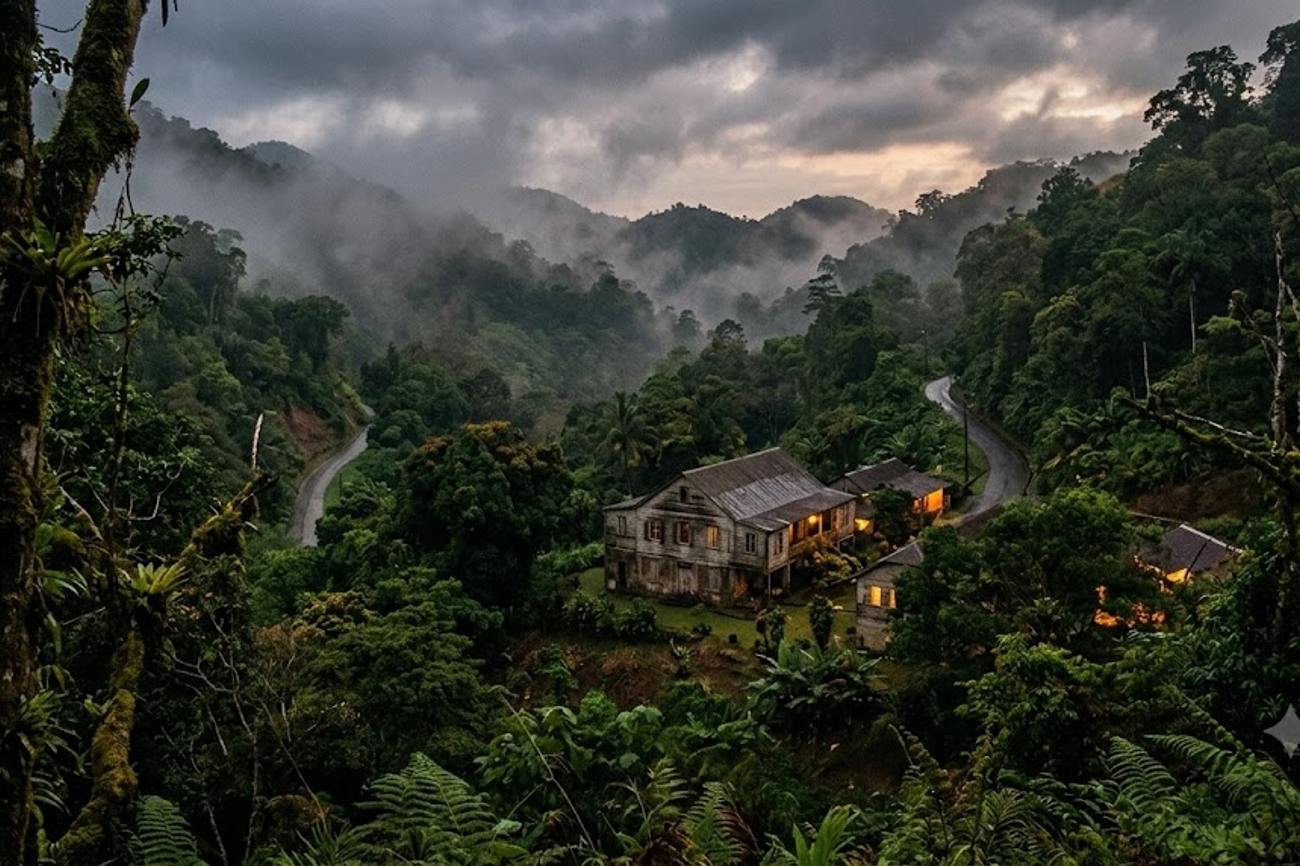
Image generated by AI
478 acres of land granted by the British Crown in 1806 served as the foundation for one of the Caribbean's most complex intersections of agricultural wealth and human suffering. This specific land grant, awarded to French aristocrat Charles Joseph de Loppinot de la Fresilliere, transformed a secluded valley in Trinidad’s Northern Range into the La Reconnaissance estate, a site that today functions as a living laboratory for studying the brutal mechanics of colonial cocoa production and the enduring legacy of enslaved labor.
The Geopolitics of the Haitian Revolution and the Rise of La Reconnaissance
The establishment of Lopinot was not an isolated event of settlement but a direct consequence of geopolitical instability in the Western Caribbean. Count Charles Joseph de Loppinot, a French military officer and aristocrat, was forced to flee the Haitian Revolution—a seismic political shift that dismantled French colonial power in Saint-Domingue. Upon arriving in Trinidad, he leveraged his status to secure the aforementioned 478-acre tract, rebranding the wilderness as the La Reconnaissance estate.
This transition from military officer to plantation owner mirrored a broader pattern of French influence infiltrating British-controlled Trinidad during the early 19th century. The Count’s primary objective was the cultivation of cocoa, a crop that would define the economic trajectory of the Northern Range. However, the financial success of La Reconnaissance was predicated on a system of forced labor. The estate's operational model relied entirely on the exploitation of enslaved Africans, creating a wealth gap that fueled the local economy while institutionalizing systemic violence.
Architectural Evidence of Colonial Control
The physical remnants of the Lopinot Historical Complex provide a tangible map of colonial power dynamics. Unlike many heritage sites that sanitize the experience of slavery, the layout of La Reconnaissance offers a transparent look at the calculated cruelty of plantation management.
A primary example is the spatial relationship between the cocoa-processing house and the plantation jailhouse. The processing facility was intentionally constructed directly above the confinement cells. This architectural choice was not accidental; it ensured that enslaved individuals remained under constant surveillance and were forced to labor in immediate proximity to the site of their punishment. This design served as a psychological tool of subjugation, ensuring that the threat of incarceration was always visible to the workforce.
The historical record of the site is further complicated by the discovery of "zemis"—ancient ceremonial artifacts left by the indigenous First Peoples of Trinidad. These findings, unearthed through ongoing archaeological efforts, prove that the valley's history extends far beyond the 1806 land grant, suggesting that the French and British settlers displaced a sophisticated indigenous society long before the first cocoa bean was harvested.
Visitors traveling to the remote Lopinot valley typically arrive via Piarco International Airport, the primary gateway for international arrivals. Travelers can coordinate their transit and entry requirements through the Trinidad and Tobago Tourism official portal to ensure a seamless journey into the interior.
Expert Analysis: The Convergence of Dark Tourism and Cultural Preservation
For the modern traveler, Lopinot represents a shift toward "dark tourism"—the act of visiting sites associated with death, suffering, or the macabre. However, Lopinot differs from commercialized dark tourism sites because it is managed by the community through the Lopinot Tourism Association and local leadership.
The direct consequence of this community-led model is a preservation strategy that resists the "Disneyfication" of history. By maintaining the jailhouse and the great-house museum in their raw state, the village forces a confrontation with the reality of the colonial era. This creates a pricing and experiential pressure on other Caribbean heritage sites to move away from purely celebratory narratives toward more honest, evidence-based historical presentations.
Furthermore, the integration of paranormal folklore—such as the legends of the Soucouyant, Douens, and La Diablesse—serves a dual purpose. While these stories attract global media, such as the Expedition X production crew, they also act as a cultural shield. These narratives were originally pedagogical tools used by elders to keep children away from the dangerous terrain of the Northern Range. Today, they function as a marker of identity that separates the local residents from the transient tourist population.
The economic impact of this approach is visible in the village's commitment to sustainable ecotourism. By focusing on traditional cocoa farming and the preservation of Venezuelan-rooted parang music, Lopinot avoids the pitfalls of mass tourism that often erase local culture in favor of generic luxury. For those booking a visit, the experience is less about leisure and more about an academic and spiritual audit of the Caribbean's foundational trauma and resilience.
Key Takeaways
- Colonial Origin: The village was founded in 1806 by Count Charles Joseph de Loppinot, a refugee of the Haitian Revolution who received a 478-acre grant from the British.
- Systemic Cruelty: The estate's architecture specifically placed cocoa-processing facilities above jail cells to maximize psychological control over enslaved Africans.
- Pre-Colonial History: Archaeological evidence of "zemis" confirms that indigenous First Peoples inhabited the Northern Range long before French or British arrival.
- Cultural Anchor: The village remains a center for parang music and traditional chocolate production, managed by local associations to prevent commercial encroachment.
- Paranormal Draw: The site is a recognized destination for paranormal investigators due to reported sightings of the original Count and various folklore entities.
FAQ: Lopinot Heritage [2024]
How do I reach Lopinot from the main city centers? Lopinot is located in the Northern Range of Trinidad. It requires a drive of approximately 20 minutes north from the Eastern Main Road, leading into a more isolated rural environment.
Accessing the heritage sites of Lopinot requires navigating rural roads, often necessitating a rented 4x4 vehicle for safety and reliability. For official guidance on travel regulations and regional safety standards, tourists should consult the Ministry of Tourism, Culture and the Arts.
What are the must-visit sites within the Lopinot Historical Complex? Visitors should prioritize the plantation great-house museum, the cocoa-drying houses, and the plantation jailhouse, which provides critical insight into the treatment of enslaved laborers.
Is Lopinot safe for solo travelers interested in dark tourism? Yes, provided you use guided tours organized by local community associations. The area is rural and dense, making local guides essential for navigating both the physical terrain and the cultural history.
What is the significance of parang music in Lopinot? Parang is a traditional musical form with deep Venezuelan roots. In Lopinot, it serves as a living archive of the region's multicultural heritage and is a central part of the village's identity.
A valley where the sweetness of cocoa is forever entwined with the bitterness of the chain.
Related Travel Guides
- Israel Aligns With US And Other Countries To Deploy Quantum Border Defences Against Next-Gen Cyber Attacks
- Machchafushi Discover The Unbelievable Multi-Sensory Luxury Escape Redefining Mindful Eco-Travel In Maldives
- US Healthcare Jobs Face AI Revolution: EMTs and Paramedics Among 10 Professions With Near-Zero Replacement Risk
This article is for informational purposes. Flight routes, passenger regulations, visa rules, and transit advisories are subject to change by airlines and aviation authorities. Readers are advised to verify schedules and travel documentation with relevant carriers and border agencies before departure.
Related Stories

SITA Leads New Aviation Era as Smart AI, Biometrics, and Data Exchange Remove Barriers Across Global Air Travel

US Healthcare Jobs Face AI Revolution: EMTs and Paramedics Among 10 Professions With Near-Zero Replacement Risk