Tanzania Follows Mozambique and More As Australia Expands Travel Advisory With New Safety Alerts On Protests And Border Risks

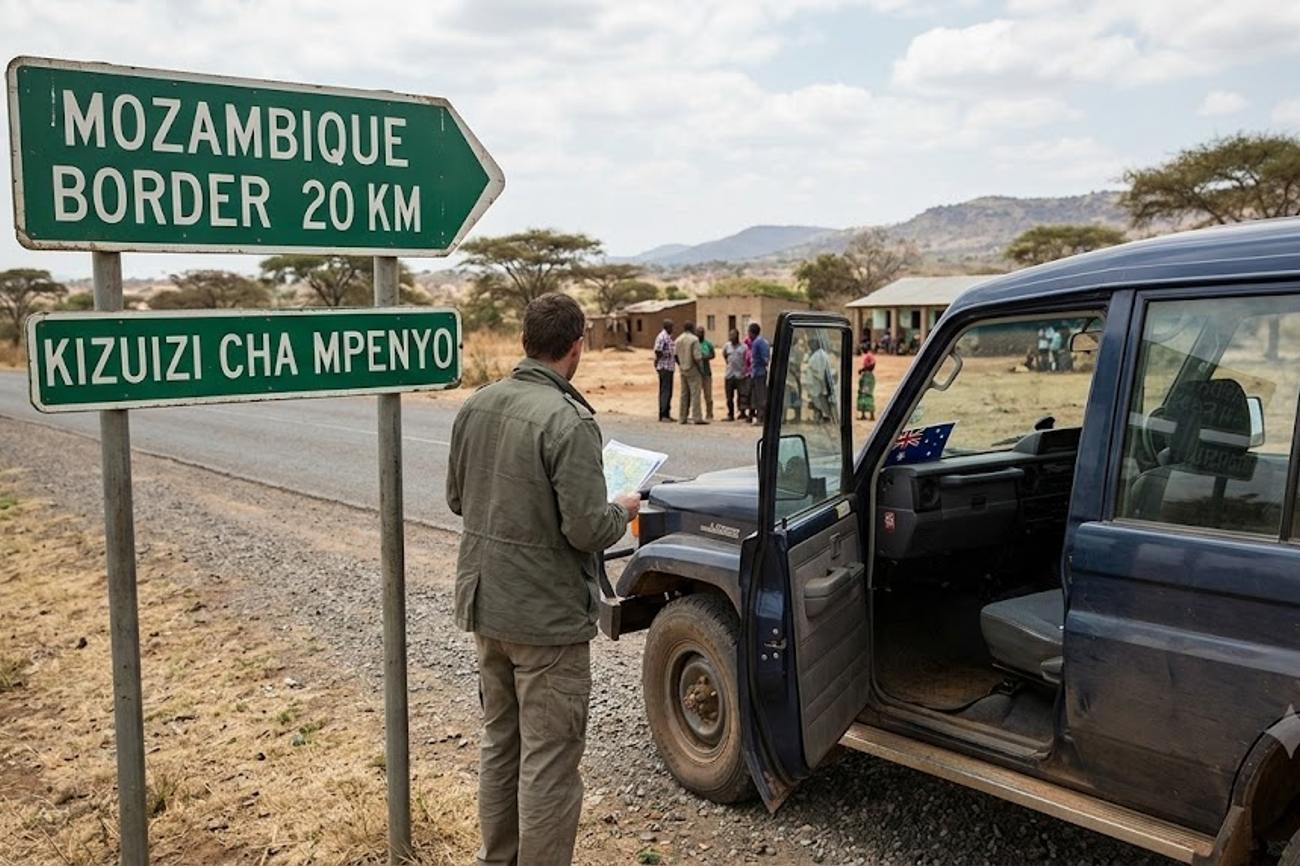
Image generated by AI
Security risk ratings for high-growth emerging markets have seen a marked increase in volatility over the last 24 months, with Australia now elevating warnings for four major hubs: Tanzania, Mozambique, Colombia, and Brazil. This shift occurs as these nations attempt to scale their tourism infrastructure, creating a friction point where increased international visibility meets localized instability.
The Risk Matrix in Numbers: Emerging Market Volatility
The updated advisories from the Australian government signal a transition from "general caution" to "specific operational warnings." In Tanzania, the data points to a fragmented risk profile. While the Serengeti and Mount Kilimanjaro remain primary draws, the Mtwara region—specifically the Tanzania-Mozambique border—has been flagged as a high-risk zone due to militant activity. This geographic specificity suggests that while national tourism numbers may remain stable, the "safe map" for the individual traveler is shrinking.
In Mozambique, the security concerns are concentrated in the northern provinces of Cabo Delgado, Nampula, and Niassa. The presence of militant groups in these sectors has transformed northern Mozambique into a restricted zone, contrasting sharply with the growth of its coastal and marine tourism sectors. The data indicates a bifurcated market: high-growth southern beach destinations versus high-risk northern provinces.
Colombia presents a different data pattern, where the risk is tied to "corridor instability." The clashes involving illegal armed groups in Santa Marta and the surrounding regions directly impact the transit routes to Tayrona National Park. This means that even if a destination is "safe," the access points are not, creating a logistical bottleneck for international arrivals. In Brazil, the pattern is characterized by urban volatility, specifically violent crime in major hubs like Rio de Janeiro and São Paulo, coupled with environmental instability in the Amazon.
Comparative Regional Risk Analysis
When comparing these four nations, we see a clear distinction between "State-Based Conflict" (Mozambique/Tanzania border) and "Criminal/Urban Volatility" (Brazil/Colombia). The following table breaks down the primary drivers of the current Australian travel warnings.
| Destination | Primary Risk Driver | High-Risk Geographic Zones | Impact on Infrastructure |
|---|---|---|---|
| Tanzania | Militancy & Civil Unrest | Mtwara Region / Dar es Salaam | Road blocks during rainy seasons |
| Mozambique | Terrorism & Kidnapping | Cabo Delgado, Nampula, Niassa | Airport/Road disruptions via strikes |
| Colombia | Armed Groups & Gangs | Chocó, Nariño, Cauca | Route closures near Santa Marta |
| Brazil | Violent Crime & Weather | Rio de Janeiro, São Paulo, Amazon | Severe weather/infrastructure failure |
The data reflects a broader global trend identified by the World Travel & Tourism Council (WTTC), where "over-tourism" in specific hubs often coincides with a rise in opportunistic crime and local social unrest. In the case of Tanzania and Mozambique, the intersection of militant activity and tourism creates a complex security environment that requires real-time monitoring rather than static planning.
Practical Traveler Advisory and Strategic Insights
For the nomadic professional or high-net-worth traveler, these advisories necessitate a shift from "standard booking" to "risk-mitigated itinerary planning." The data suggests that the traditional "all-inclusive" package is no longer sufficient for these regions.
1. Route Diversification: If you are visiting Colombia, avoid relying on a single transit corridor to reach natural parks. The volatility in Santa Marta means that a road closure can strand a traveler for days. Ensure your operator has secondary and tertiary extraction routes.
2. Digital Footprint Management: The Tanzanian advisory specifically mentions "politically sensitive" online content. For those working remotely, this is a critical data point. Local regulations on digital expression can lead to legal complications. Avoid posting real-time location data or political commentary while within Tanzanian borders.
3. Timing the Climate Window: In Mozambique and Tanzania, the data shows a high correlation between rainy seasons and transport failure. Booking travel during peak monsoon or cyclone seasons increases the probability of being trapped in a high-risk zone due to infrastructure collapse.
4. Security-First Lodging: In Brazil and Colombia, the prevalence of "incapacitation" scams and home invasions means that the choice of accommodation must be based on security audits rather than just reviews. Prioritize hotels with controlled access and 24-hour security presence in urban centers.
Forward Projection: The "Safe Zone" Economy
Based on current trajectory and data from IATA, we are likely to see the emergence of "Safe Zone" tourism in these regions. This is a trend where tourism becomes heavily concentrated in highly securitized "bubbles"—such as luxury resorts in Zanzibar or gated experiences in the Amazon—while the areas immediately outside these bubbles remain high-risk.
We project that over the next 18 months, travel insurance premiums for these four destinations will rise by 12-20% as underwriters price in the increased risk of kidnapping (Mozambique) and civil unrest (Tanzania). Travelers will likely see a shift toward "managed excursions," where the cost of professional security guides becomes a non-negotiable part of the travel budget.
The Australian government has issued a travel advisory for Tanzania, citing concerns over protests and border risks, and travelers are advised to exercise caution when planning their trip. For the most up-to-date information on travel restrictions and safety alerts, visitors can check the official Australian Government Department of Foreign Affairs and Trade website for the latest advisories. This move follows similar warnings issued for Mozambique and other countries in the region.
Furthermore, as Australia and other Western governments update their alerts, we expect a short-term dip in "adventure-style" independent travel, replaced by a rise in corporate-managed travel that utilizes real-time security feeds to navigate these volatile regions.
FAQ: Emerging Market Security [2024-2025]
Will travel prices increase due to these warnings? Yes. Expect higher costs for guided tours and a significant increase in travel insurance premiums. Specialized security-vetted operators will command a premium as independent travel becomes riskier.
Is it still safe to visit the Serengeti or Rio de Janeiro? Yes, but the "margin for error" has decreased. Safety depends on staying within established tourist corridors and avoiding the specific high-risk zones (like Mtwara in Tanzania or remote Chocó in Colombia).
Which airlines are most reliable for these routes? Stick to major international carriers that provide frequent flights. This ensures that if a sudden security event occurs, there are multiple options for rapid extraction or itinerary changes.
Should I cancel my upcoming trip to Mozambique? Do not cancel unless your itinerary includes Cabo Delgado, Nampula, or Niassa. For southern coastal regions, the risk is lower, but you must monitor local news for sudden strikes or weather events.
The data is clear: the era of the "unplanned adventure" in emerging markets is being replaced by the era of the "calculated excursion."
Related Travel Guides
This article is for informational purposes. Flight routes, passenger regulations, visa rules, and transit advisories are subject to change by airlines and aviation authorities. Readers are advised to verify schedules and travel documentation with relevant carriers and border agencies before departure.
Related Stories
Brussels and Charleroi Airports Face Major Flight Disruptions as National Strike Threatens 59,500 Passenger Journeys
Delta Air Lines Weight and Balance Automation Glitch Triggers Nationwide Delays Ahead of Thanksgiving