
Taiwan Warns Travellers Over Mainland China Risks As New Border Checks Raise Digital Security Concerns
Taiwan Warns Travellers Over Mainland China Risks As New Border Checks Raise Digital Security Concerns

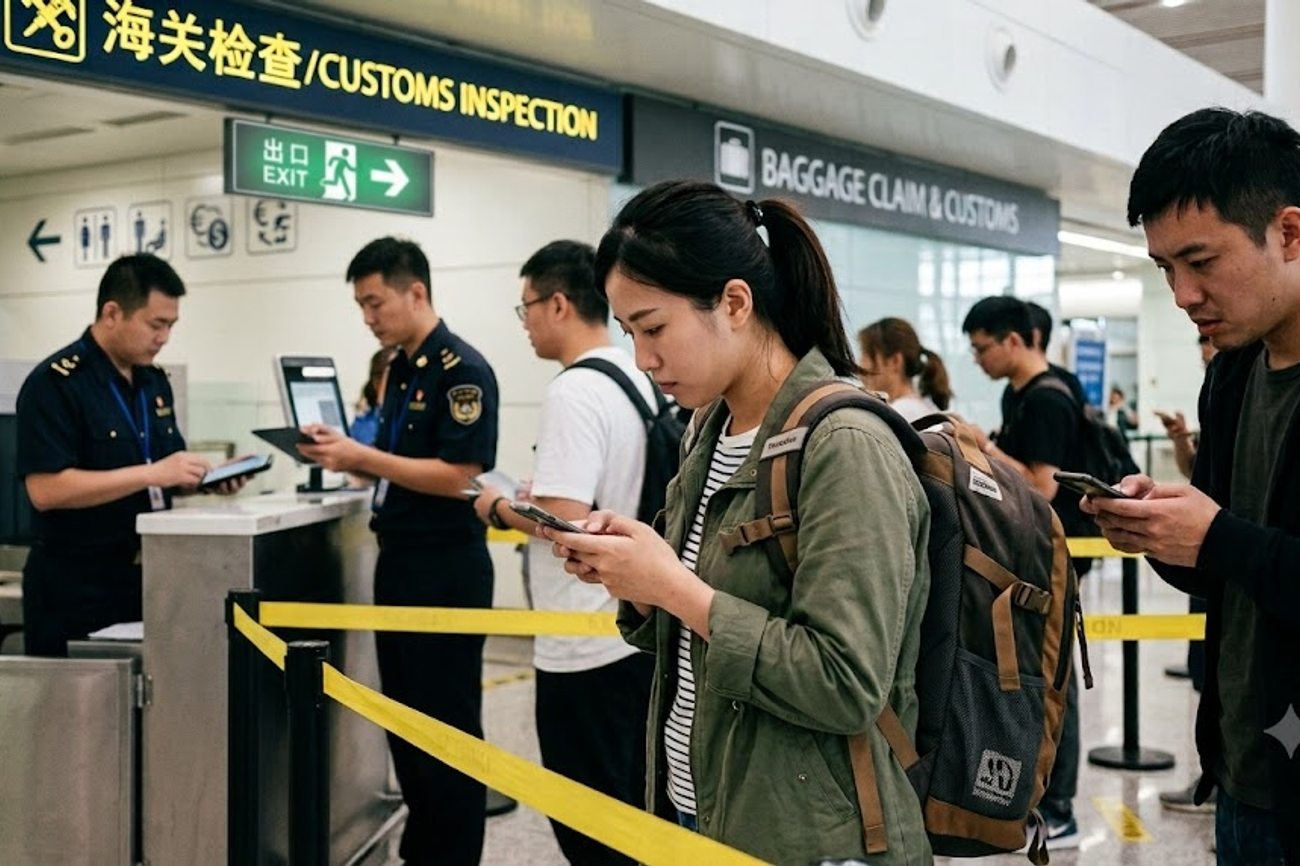
Image generated by AI
Your smartphone is no longer just a tool for navigation and photos—it has become a primary travel document that border officials in mainland China may now demand to inspect. While passports and visas remain mandatory, the shift toward aggressive digital forensics at the border means that private messages, cloud access, and professional contacts are now subject to state scrutiny.
The New Digital Border Protocol
The nature of travel across the Taiwan Strait is undergoing a fundamental shift. It is no longer just about the physical movement of people, but the movement of data. Beijing has expanded its border security measures, granting officials wider authority to examine the digital contents of laptops and smartphones. This isn't a random occurrence; it is a systemic increase in the enforcement of national security laws.
For the average traveler, this means the traditional "privacy" of a locked device is no longer guaranteed. The Taiwanese government—specifically the National Security Council, the Ministry of Economic Affairs, and the Mainland Affairs Council—has issued urgent guidance to citizens. The concern is that the permissible scope of these inspections has expanded, making it easier for officials to flag individuals based on their online history, social media interactions, or professional affiliations.
This shift is creating a ripple effect across the region's economy. Airlines, international organizations, and travel management companies are having to rewrite their protocols. What was once a routine business trip is now a risk assessment exercise. The uncertainty surrounding these checks means that travel is becoming more friction-heavy, with a growing anxiety that a single social media post from years ago could lead to extended questioning at a port of entry.
What Makes the Taiwan-China Corridor Unique
The tension in this specific travel corridor is driven by a clash of strategic interests, particularly in the realm of high technology. Taiwan is the global epicenter for semiconductor manufacturing and AI development. Because of this, the "profile" of a traveler matters more here than in almost any other international crossing.
If you work in quantum computing, advanced materials, or the semiconductor industry, you are viewed through a different lens. The Taiwanese authorities warn that professionals in these strategic sectors are high-priority targets for scrutiny. The goal isn't just security; it's the potential gathering of intellectual property and technical documentation.
Beyond the tech sector, there is a distinct focus on those connected to public administration. Civil servants, judicial officers, and police personnel are under particular watch. The interest lies in "critical infrastructure"—everything from air-raid shelter locations and emergency response networks to public supply distribution systems. In this environment, a professional background in urban planning or logistics can suddenly become a liability during a border interview.
Visitor Insider Tips
Navigating this environment requires a move away from "tourist mode" and toward "security mode." If you are traveling from Taiwan to the mainland, or are a third-country national moving between these hubs, consider these local strategies:
Digital Hygiene Do not travel with your primary work device. The gold standard for frequent cross-strait travelers is the "burner" strategy: use a clean laptop and a factory-reset smartphone containing only essential travel apps. Avoid storing sensitive corporate files or private political discussions on devices that will pass through Beijing or Shanghai customs.
Timing and Entry Points While major hubs like Pudong (Shanghai) and Capital (Beijing) are the most common, they also have the most rigorous screening processes. However, avoiding them doesn't guarantee privacy. Be aware that "random" checks often spike around political anniversaries or major diplomatic summits.
Etiquette and Interaction If singled out for a device check, remain calm and cooperative. Arguing over digital privacy rights with border officials is generally counterproductive and can lead to longer detentions. If you are a Taiwanese citizen, ensure you have registered your itinerary and emergency contact details through official government channels before departing.
Financial Logistics Since smartphones are used for almost all payments in mainland China via platforms like Alipay or WeChat Pay, you cannot simply leave your phone behind. Ensure your payment apps are set up on a device that does not contain sensitive professional data.
Cultural and Environmental Context
The current travel climate is a reflection of a broader global trend toward "data sovereignty," but it is amplified here by the complex relationship between Taiwan and the mainland. Tourism is no longer viewed as a purely economic activity; it is seen through the lens of national security.
This has created a paradoxical situation. While there is a desire for economic exchange and family reunification, the "Orange Travel Alert" maintained by Taiwan's Mainland Affairs Council for mainland China, Hong Kong, and Macau signals a deep systemic mistrust. This alert—the second-highest level in Taiwan's warning system—urges citizens to avoid non-essential travel.
The environmental impact here is not ecological, but social. The "digital border" creates a chilling effect on academic and cultural exchange. Scholars and religious workers, who traditionally bridged the gap between these societies, are now among the groups most likely to face elevated scrutiny. This restricts the flow of ideas and reinforces the digital walls being built between the two regions. For those who must travel, the experience is now defined by a careful curation of their digital identity, effectively creating a "travel persona" that is stripped of any perceived political or strategic sensitivity.
To understand the broader legal framework of the region, travelers can consult the UNESCO World Heritage Centre for cultural sites that remain points of shared interest, or the Taiwan Tourism Administration for the latest official travel advisories and registration portals. For those managing corporate travel, coordinating with the International Air Transport Association (IATA) can provide insights into how airlines are adapting to these border changes.
FAQ: Visiting Mainland China 2026
Is it safe for solo travelers to visit mainland China right now? Yes, general safety remains high for tourists. However, solo travelers—especially those in tech or government—should be more mindful of digital privacy and are encouraged to register their itineraries with their home embassy or government.
What is the "Orange Travel Alert" exactly? It is the second-highest warning level issued by Taiwan. It advises citizens to avoid non-essential travel to mainland China, Hong Kong, and Macau due to increased security and legal risks, though it does not ban travel.
Do I need a special visa for business travel? Yes, visa requirements vary by nationality. You should check the latest requirements via the official Chinese embassy or consulate. Be prepared for your professional background to be scrutinized during the application and entry process.
How should I handle my data if I am asked to unlock my phone? Avoid carrying sensitive corporate or political data. If asked, comply with officials. The best defense is "data minimization"—only carry the information absolutely necessary for your trip on your mobile device.
In an era of digital borders, the most important thing you pack isn't in your suitcase—it's what you choose to leave off your hard drive.
#TaiwanTravel2026 #ChinaBorderSecurity #DigitalPrivacy #CrossStraitTravel #TechIndustrySecurity #TaiwanMainlandAffairs
Related Travel Guides
- UK Follows Turkey And More Countries As Australia Issues New Travel Advisory With Fresh Warnings On Protests And Entry Changes
- Turkish Airlines Algiers Flight Is Now Turning Back To Istanbul As The Reported Bird Strike Disrupts New Travel
- Spain Tourism Suffers A Fresh Blow As Around 30% Diesel Cost Rise Hits Travel Costs Across Popular Destinations
Disclaimer
This article is for informational and educational purposes only. It does not constitute legal, financial, or professional advice. While we strive to provide accurate and up-to-date information, travel policies, regulations, and conditions change rapidly. Always verify information with official sources before making travel decisions. Nomad Lawyer makes no representations about the accuracy, reliability, completeness, or suitability of the information provided. Readers should consult qualified professionals for advice specific to their circumstances. The views expressed in this article are those of the author and do not necessarily reflect the views of Nomad Lawyer.
Naina Thakur
Contributor & Travel Specialist
Travel enthusiast and legal writer covering visa regulations, responsible tourism, and cultural journeys across global destinations.
Learn more about our team →