
Taiwan Targets 1 Million Annual Cruise Visitors as Keelung Port Leads Massive Infrastructure Expansion
Taiwan is aggressively expanding its maritime infrastructure, with Keelung Port spearheading a strategy to attract over one million cruise passengers annually through smart port technology.

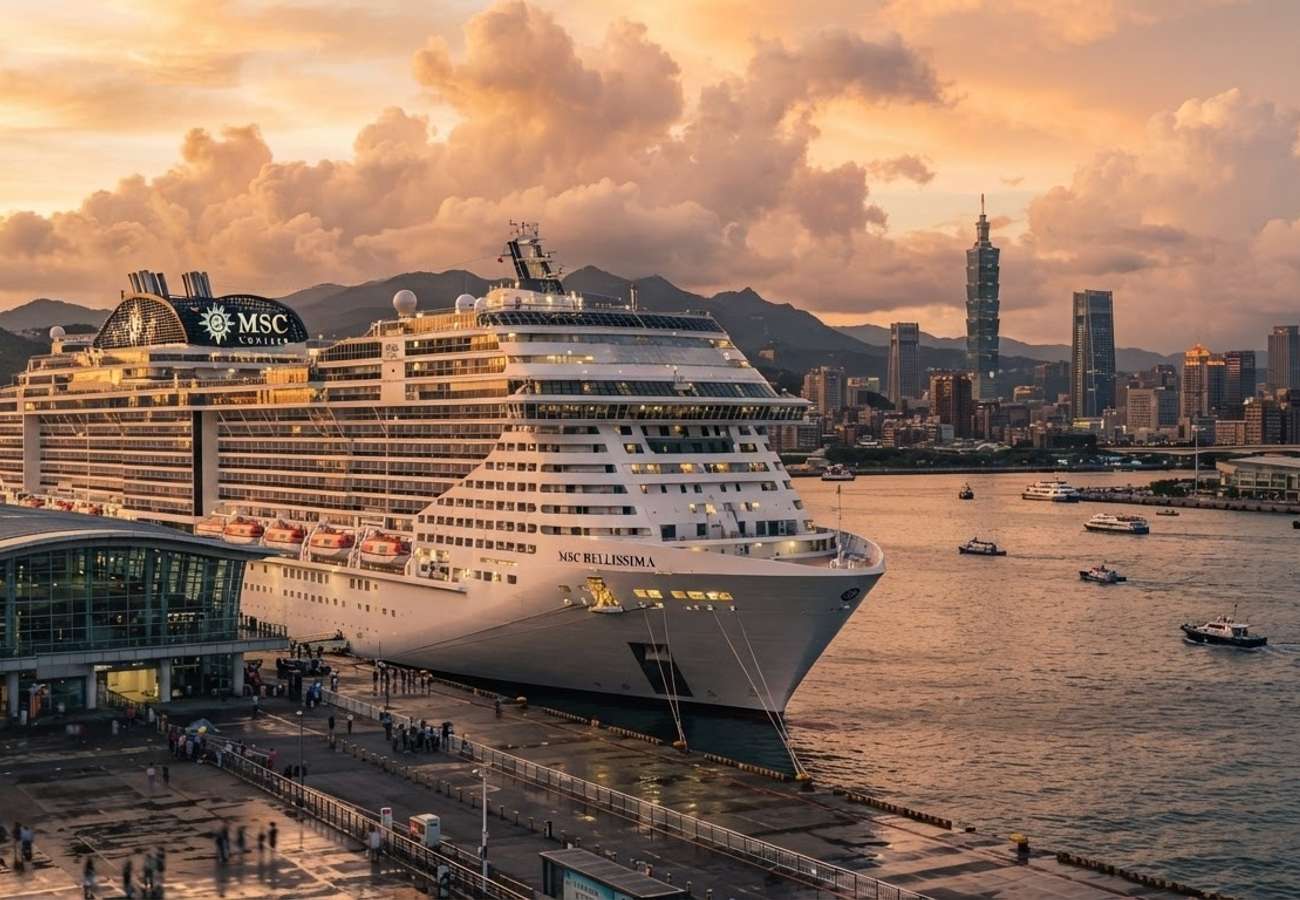
Image generated by AI
Taiwan is aggressively scaling its maritime infrastructure to attract over one million international cruise passengers annually, with Keelung Port serving as the primary engine for this growth. This strategic expansion involves a comprehensive overhaul of port facilities and the development of a multi-city oceanic network to cement the island's position as a premier cruise hub in Asia.
The initiative comes as Taiwan seeks to diversify its tourism portfolio and capitalize on the rising global demand for high-end coastal experiences. By integrating smart technology and sustainable operations, the government aims to transform the passenger experience while distributing economic benefits across several coastal regions.
Keelung Port Drives Record Passenger Volume
Keelung has emerged as the undisputed epicenter of Taiwan's cruise sector, currently managing the vast majority of the country's international maritime arrivals. Data from the previous year reveals that this northern gateway handled approximately 80% of all cruise ship arrivals in Taiwan, welcoming 567 vessels and approximately 993,000 visitors.
Industry observers indicate that the milestone of one million annual passengers is likely to be surpassed this year. This surge is attributed to the port's proximity to Taipei, which allows cruise travelers seamless access to the capital's urban attractions, historical landmarks, and traditional markets.
The influx of high-spending international tourists is providing a significant stimulus to the local economy. Hospitality providers, tour operators, and small businesses in the Keelung area are reporting increased demand as the port evolves from a mere transit point into a primary destination.
Strategic Diversification Across Southern and Eastern Ports
While Keelung remains the dominant entry point, Taiwan is implementing a "multi-port vision" to prevent tourism congestion and spread wealth to underserved regions. The government is actively developing a network of gateways to ensure that cruise tourism supports regional economic growth nationwide.
Kaohsiung Port is being positioned as the secondary powerhouse, serving as the primary cruise hub for southern Taiwan. With its modern infrastructure and proximity to southern cultural sites, Kaohsiung is designed to capture a larger share of the market, offering a distinct alternative to the northern gateways.
Furthermore, the government is expanding capabilities in emerging destinations, including:
- Taichung: Focused on integrating urban tourism with maritime access.
- Penghu: Leveraging its unique island landscapes and marine biodiversity.
- Hualien: Promoting nature-based tourism and the island's rugged eastern coastline.
This decentralized approach encourages cruise lines to develop longer itineraries within Taiwan, prompting passengers to spend more time exploring the island's diverse geography rather than sticking to traditional tourist corridors.
Institutional Overhaul and Global Competitiveness
To manage this rapid scaling, Taiwan has established a dedicated cruise development department within its port sector. This body is tasked with synchronizing efforts between port authorities, international cruise operators, and local tourism stakeholders.
The goal is to elevate Taiwan's standing in a highly competitive Asian market where neighboring destinations are investing heavily in "smart" infrastructure. The new strategy focuses on three core pillars:
- Operational Efficiency: Streamlining passenger processing and vessel turnaround times.
- Product Diversification: Creating unique shore excursions that blend cultural heritage with modern luxury.
- International Partnerships: Attracting a wider variety of global cruise lines to increase the frequency of arrivals.
Integration of Sustainable Smart Port Technology
Environmental sustainability and digital innovation are now central to Taiwan's maritime strategy. The government is shifting toward "Smart Port" models to mitigate the environmental footprint of massive cruise vessels while enhancing the passenger journey.
To formalize this transition, two major industry events are scheduled for December 1 to 2. The Sustainable Smart Port Summit and the International Cruise Travel Summit will convene academic experts and industry leaders to define the next phase of development.
Key focus areas for these summits include:
- Green Infrastructure: Implementing shore-power capabilities to reduce ship emissions while docked.
- Digital Systems: Utilizing AI and IoT for better traffic management and passenger flow.
- Sustainable Tourism: Balancing the surge in visitor numbers with the preservation of local coastal ecosystems.
Why This Matters for the Modern Traveler
For the international traveler, Taiwan's shift toward a multi-port system means more diverse itinerary options and less crowded terminals. Instead of a standardized "one-day stop" in Keelung, passengers can expect a more nuanced experience that spans from the neon lights of Taipei to the serene landscapes of Hualien and the industrial modernity of Kaohsiung.
From a logistical standpoint, the investment in smart port technology will likely result in faster customs and immigration processing, reducing the "friction" often associated with large-scale cruise arrivals. For the digital nomad or luxury traveler, the expansion of these ports signals a broader investment in the island's overall accessibility and hospitality infrastructure.
Ultimately, Taiwan is not just increasing the number of ships; it is redesigning the entire cruise ecosystem to be more sustainable and user-centric, ensuring that the growth to one million visitors does not come at the expense of the local environment or the quality of the visitor experience.
Taiwan's maritime ambition is turning the island into a critical anchor for Asian cruise itineraries.
Related Travel Guides
Disclaimer
This article is for informational and educational purposes only. It does not constitute legal, financial, or professional advice. While we strive to provide accurate and up-to-date information, travel policies, regulations, and conditions change rapidly. Always verify information with official sources before making travel decisions. Nomad Lawyer makes no representations about the accuracy, reliability, completeness, or suitability of the information provided. Readers should consult qualified professionals for advice specific to their circumstances. The views expressed in this article are those of the author and do not necessarily reflect the views of Nomad Lawyer.
Kunal K Choudhary
Co-Founder & Contributor
A passionate traveller and tech enthusiast. Kunal contributes to the vision and growth of Nomad Lawyer, bringing fresh perspectives and driving the community forward.
Learn more about our team →