
Syria Reconnects with Europe via New Damascus to Berlin Flight Route
Damascus International Airport launches direct flights to Berlin, Germany, with Sundair, ending a nearly 14-year hiatus in air links.

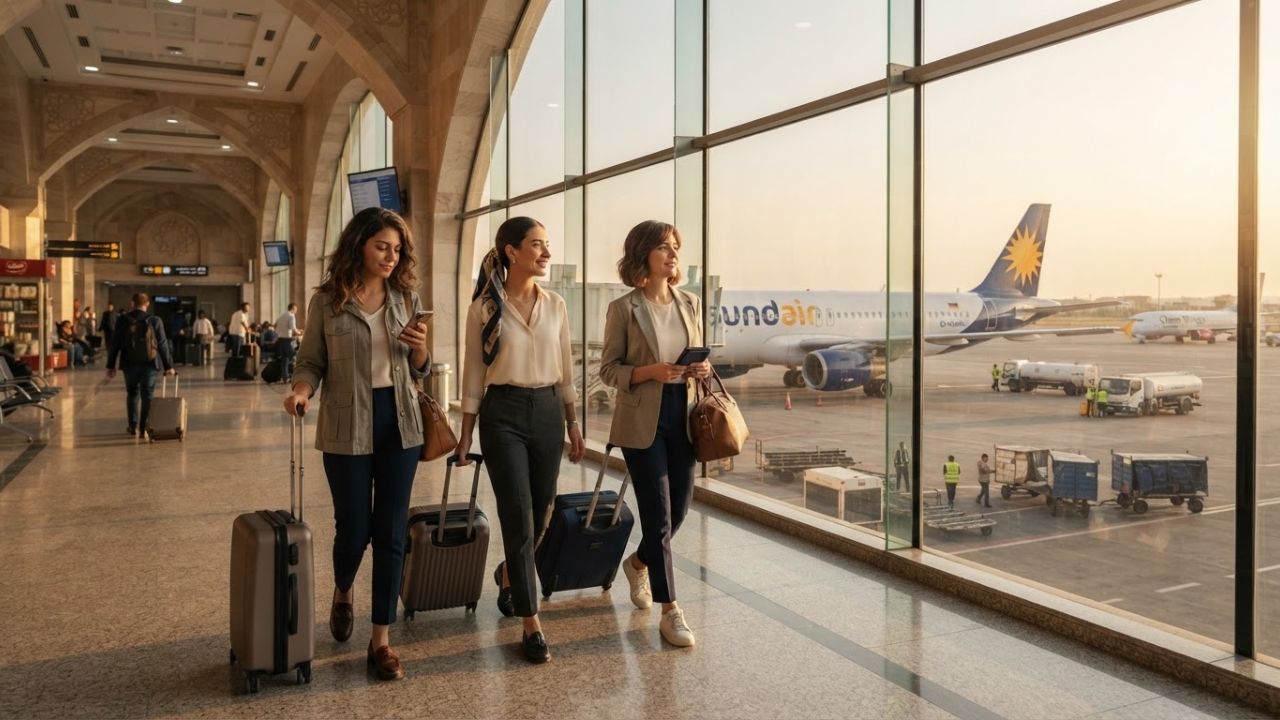
Image generated by AI
A major development in international aviation has been established as Damascus International Airport launches direct flights to Berlin, reconnecting Syria with Europe after nearly 14 years of disruption. The new route, operated by German airline Sundair, commenced on Saturday, August 15, 2026, establishing the first direct air corridor between the two capitals since air links were suspended.
Restoring European Air Links: Berlin to Damascus
The launch of the Berlin-Damascus flight route on Saturday, August 15, 2026, represents a significant step in the rehabilitation of Syria's civil aviation network. The arrival of the first flight operated by German airline Sundair marks the end of a nearly 14-year hiatus in direct commercial aviation between the two nations. This route was made possible by the signing of a bilateral air transport agreement between Germany and Syria on July 16, 2026, which established the legal and safety frameworks required for scheduled commercial flights to resume.
For the large Syrian community residing in Germany, the direct flight to Damascus International Airport offers a more convenient and efficient travel option. Previously, travelers had to book complex multi-leg journeys through Middle Eastern hubs, leading to longer transit times and higher costs. The new direct service simplifies family visits, cultural exchanges, and personal travel, providing a direct link between the two countries during the autumn travel window.
Beyond the immediate benefits for passengers, the direct air link is expected to support broader economic recovery efforts. Improved connectivity can facilitate business communication, encourage trade exchanges, and provide easier access for international investors, professionals, and humanitarian organizations traveling between Syria and Germany. The service reflects a targeted strategy by aviation authorities to restore connectivity with key international destinations.
Rebuilding the Syrian Aviation Infrastructure
The Damascus-Berlin connection is part of a wider aviation recovery strategy led by the Syrian General Authority of Civil Aviation and Air Transport. Authorities are working to restore Syria's role in regional transport networks by attracting foreign carriers, improving airport operations, and developing sustainable route networks. Rebuilding confidence among international airlines is a key component of this recovery phase, which has faced years of isolation and infrastructure challenges.
A second direct connection between Germany and Syria is scheduled to begin shortly. On September 1, 2026, German airline LEAV Aviation is expected to launch a regular weekly service between Cologne and Deir Ezzor. This route will be the first time a European carrier operates scheduled commercial flights to Deir Ezzor International Airport since its closure to civil traffic nearly 14 years ago. The airport recently underwent extensive rehabilitation work, reopening in August 2026 to support travel in the eastern region.
Rehabilitating regional airports like Deir Ezzor and Aleppo is essential for distributing international air traffic more widely and supporting local economic recovery. By expanding the network beyond the capital, authorities aim to improve accessibility for different provinces and reduce the pressure on Damascus International Airport. The gradual return of foreign carriers to multiple Syrian cities indicates growing interest in re-establishing transport links.
Aleppo Airport Emerging as a Key Regional Hub
Aleppo International Airport is also playing an important role in the civil aviation recovery strategy. The recent arrival of flights operated by three international airlines marked a major milestone for the airport and the local civil aviation sector. Situated in northern Syria, the airport is being developed as a regional transport hub connecting the northern provinces with neighboring international destinations.
The expansion of Aleppo's international route network is designed to improve passenger access, support local reconstruction, and revitalize trade in the historic commercial city. Increased operations at Aleppo have been supported by upgrades to passenger terminals, security systems, and runway facilities. This progress is part of a broader plan to increase overall airport capacity across the country and attract additional regional airlines back to Syria.
Reconnecting Aleppo with global markets helps support local business communities and encourages the return of tourism. As a UNESCO World Heritage site, the Ancient City of Aleppo possesses significant cultural value, and restoring air connectivity is a critical step in making the region accessible to international cultural tourism once safety conditions permit.
Destination Specialist and Cultural Tourism Tips
To help travelers plan their journey between Germany and Syria, destination specialists recommend the following practical tips:
- Verify Document and Visa Requirements: All travelers must secure valid visas and verify passport requirements through the Syrian Embassy in Berlin before booking flights. Ensure your documentation is complete and travel advisories are thoroughly reviewed.
- Prepare Cash for Travel: Due to international financial sanctions, international credit and debit cards are not accepted in Syria. Travelers must bring sufficient cash (in Euros or US Dollars) for their entire stay and convert currency at official exchange offices.
- Cultural Etiquette in Historic Souqs: When visiting the Al-Hamidiyah Souq in Damascus or the ancient Souqs of Aleppo, dress conservatively. Respect local customs by covering shoulders and knees, and seek permission before taking photographs of residents or historic buildings.
- Local Culinary Specialties: Do not miss trying traditional Damascus ice cream (Booza) at the famous Bakdash parlor in Al-Hamidiyah. In Aleppo, sample local specialties such as cherry kebab (kebab bi-karaz) and traditional kibbeh, which represent the region's rich culinary heritage.
- UNESCO Ancient City Tours: Engage local certified guides to tour the ancient city centers of Damascus and Aleppo. Hiring local experts supports the resident economy and provides deep insight into the history of the oldest continuously inhabited cities in the world.
Sustainable Practices and Community-Led Tourism
Re-establishing direct flights can support sustainable aviation goals by minimizing routing detours and layovers, which reduces fuel consumption and carbon emissions per passenger. By flying direct from Berlin to Damascus, passengers avoid the extra takeoffs and landings associated with connecting flights, making their journey more environmentally efficient.
Furthermore, cultural tourism in Syria is shifting toward community-supported initiatives that directly benefit local residents. Travelers can support the post-disruption recovery by staying in family-owned boutique hotels within the old city walls, dining at independent traditional restaurants, and purchasing handmade goods from local artisans. Buying Damascus silk (brocade), Aleppo laurel soap, and hand-woven textiles directly helps preserve traditional crafts and supports the livelihoods of local families.
Long-Term Civil Aviation Recovery Outlook
The long-term success of Syria's civil aviation recovery depends on continued cooperation with international airlines, ongoing improvements in airport safety standards, and the maintenance of stable route networks. The introduction of the Berlin-Damascus route and the planned Cologne-Deir Ezzor service show that carriers are willing to explore new opportunities in the Syrian market.
As more airlines resume operations, Syrian airports will continue to work toward expanding destinations and improving passenger services. By focusing on infrastructure development and regional partnerships, the civil aviation sector aims to rebuild a sustainable, well-connected network that supports international mobility, family reconnection, and economic recovery.
Related Travel Guides
- Four Seasons Launches $167,000 Private Jet Tour Across Seven Iconic Asian Destinations Offering the Ultimate Luxury Escape for Elite Travelers in 2026
- WestJet Deploys Historic Toronto to Cardiff Route, Shielding Transatlantic Travelers From Massive UK Hub Travel Chaos: Latest Airline News
- SAS Flight Cancellations Rock Oslo and Copenhagen, Triggering Massive Travel Disruption
Disclaimer
This article is for informational and educational purposes only. It does not constitute legal, financial, or professional advice. While we strive to provide accurate and up-to-date information, travel policies, regulations, and conditions change rapidly. Always verify information with official sources before making travel decisions. Nomad Lawyer makes no representations about the accuracy, reliability, completeness, or suitability of the information provided. Readers should consult qualified professionals for advice specific to their circumstances. The views expressed in this article are those of the author and do not necessarily reflect the views of Nomad Lawyer.
Raushan Kumar
Founder & Lead Developer
Full-stack developer with 11+ years of experience and a passionate traveller. Raushan built Nomad Lawyer from the ground up with a vision to create the best travel and law experience on the web.
Learn more about our team →