Africa Air Connectivity Crisis 2026: How Visa Barriers and Flight Gaps Impact Travelers


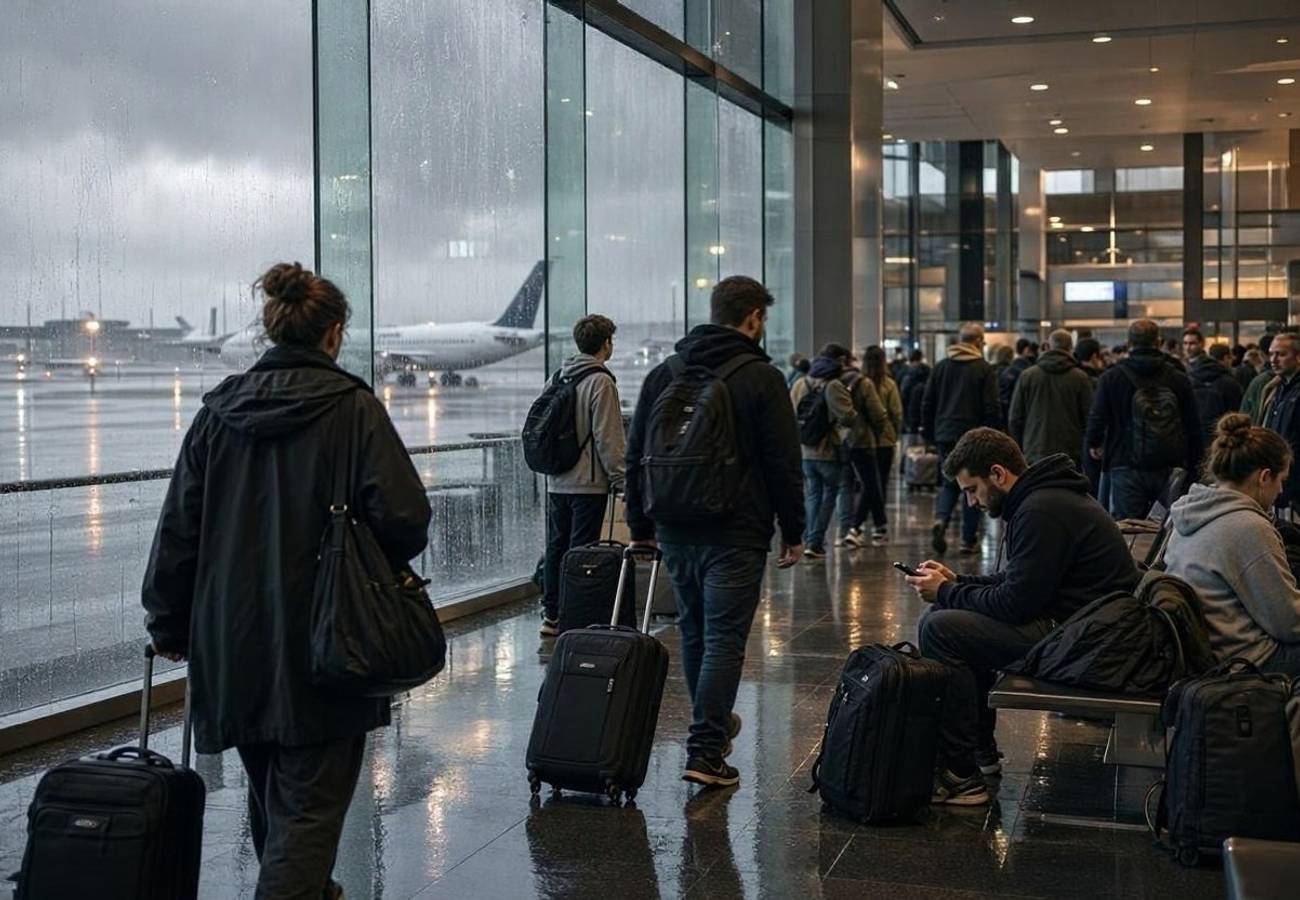
Image generated by AI
A traveler landing in Nairobi with plans to visit the dunes of Namibia discovers that no direct flights exist between the two capitals. To travel a few hundred miles south, they are forced to book a ticket that flies them thousands of miles north to a hub in Europe or the Middle East, doubling their travel time and inflating their budget. This is the current reality for millions of visitors attempting to navigate the fragmented skies of Eastern and Southern Africa.
The Connectivity Gap: Windhoek Summit Findings
From November 10 to 13, 2026, the Joint Session of the Intergovernmental Committee of Senior Officials and Experts (ICSOE) convened in Windhoek, Namibia. Co-hosted by the United Nations Economic Commission for Africa (ECA) and the Namibian government, the summit exposed a jarring contradiction: while tourism demand is surging, the infrastructure to support it remains antiquated.
Data presented by Geoffrey Manyara of the ECA reveals that Eastern and Southern Africa saw approximately 60 million international arrivals in 2025. This influx generated US$26 billion in direct receipts and a broader economic impact of US$102 billion, representing 45% of the continent's total tourism GDP. However, these gains are threatened by a lack of regional integration.
The African Airlines Association (AFRAA) highlighted a systemic failure in network design: only 20% of African city pairs possess a direct daily flight. This scarcity forces a reliance on "hub-and-spoke" models based outside the continent, leaking economic value to foreign carriers and increasing the carbon footprint of regional travel.
Regional Economic Impact and Aviation Data
The lack of connectivity is not merely an inconvenience for tourists; it is a significant economic bottleneck. The following table breaks down the financial and operational stakes discussed at the Windhoek summit.
| Metric | Value/Statistic | Impact Area |
|---|---|---|
| Total International Arrivals (2025) | 60 Million | Eastern & Southern Africa |
| Direct Tourism Receipts | US$26 Billion | Local Economies |
| Total Economic Value | US$102 Billion | 45% of Africa Tourism GDP |
| Capital Investment at Risk | US$14 Billion | 38% of Continental Total |
| Employment Stake | 26% of Regional Jobs | Tourism Sector |
| Direct Flight Availability | 1 in 5 City Pairs | Intra-African Connectivity |
| New Routes (Sept 2022 - April 2025) | 108 Routes | SAATM Implementation |
| Connectivity Growth | 14.5% to 23% | Intra-African Air Links |
Your Rights as a Passenger in Africa
Navigating African airspace often means dealing with multiple carriers, varying jurisdictions, and frequent delays. While the continent does not have a single overarching regulation equivalent to the EU's EC 261/2004, passengers have several avenues for recourse.
1. Contract of Carriage: Your primary protection is the airline's "Conditions of Carriage." If a regional flight is cancelled or delayed, the airline is generally obligated to provide re-routing or a refund. Check your specific ticket terms via the International Air Transport Association (IATA) guidelines.
2. The SAATM Framework: The Single African Air Transport Market (SAATM) aims to liberalize skies. While it primarily affects airline operations, its goal is to lower fares through competition. If you are facing exorbitant prices on a route where SAATM-eligible airlines operate, you may find better rates by booking directly with regional carriers rather than legacy global hubs.
3. Visa and Entry Disputes: Border friction remains a major hurdle. Passengers are advised to verify current entry requirements via the African Union (AU) or specific national embassies. If you are denied boarding due to a visa error that the airline failed to notify you about (despite correct documentation), you may have a claim for damages under local consumer protection laws.
Rebooking Strategy and Alternatives
When faced with the "European detour" or a cancelled regional flight, passengers should employ these tactical alternatives:
Avoid the Global Hub Trap: Instead of routing through Dubai, Doha, or Addis Ababa for every leg, look for secondary regional hubs. Use FlightRadar24 to identify which regional airlines are actually flying the route, as some smaller carriers do not appear on major global booking engines.
The Multi-Modal Pivot: In Eastern and Southern Africa, where air links are sparse, consider "land-and-air" hybrids. For example, flying into a major hub and utilizing high-end overland transfers or chartered regional hops can often be faster than a commercial flight that detours through another continent.
Refund vs. Rebooking: If a regional carrier cancels your flight, demand a full refund to your original payment method rather than a travel voucher. This allows you to pivot to a competitor or a different mode of transport without locking your capital into a struggling regional airline.
FAQ: Africa Air Connectivity 2026
Why are there so few direct flights between African cities? Protective bilateral air agreements and high operational costs—including aviation fuel and airport taxes—discourage airlines from launching direct routes, favoring established foreign hubs instead.
Am I entitled to compensation for flight delays in Africa? Unlike the EU, there is no continent-wide mandatory cash compensation for delays. Your rights depend on the airline's specific contract of carriage and the laws of the country of departure.
How can I avoid complex visa processes for multi-country trips? Look for countries offering visa-on-arrival or e-visas. Some regions are moving toward unified tourist passes; always check the latest Africa Visa Openness Index for the easiest entry points.
What is SAATM and does it help passengers? The Single African Air Transport Market is an AU initiative to open skies. For passengers, this should eventually mean more route options, lower ticket prices, and fewer detours through non-African hubs.
The dream of a connected Africa remains grounded by paperwork, but the economic cost of inaction is now too high to ignore.
Related Travel Guides
This article is for informational purposes. Flight routes, passenger regulations, visa rules, and transit advisories are subject to change by airlines and aviation authorities. Readers are advised to verify schedules and travel documentation with relevant carriers and border agencies before departure.
Related Stories
India Launches International Digi Yatra Biometric Trials at 7 Major Airports for 2027 Expansion

Avoiding Major Hubs: Using Portsmouth and Regional US Airports for Winter Travel 2026-27